The Perfect Kenai Peninsula Itinerary 3 Days For First-Timers
Discover the essential kenai peninsula itinerary 3 days! This essential guide hits the highlights: deep fjord cruises, tidewater glaciers, Exit Glacier hikes, and the stunning Cooper Landing river system. Book your Alaskan adventure now!
Dec 09, 202516 Shares15.7K Views
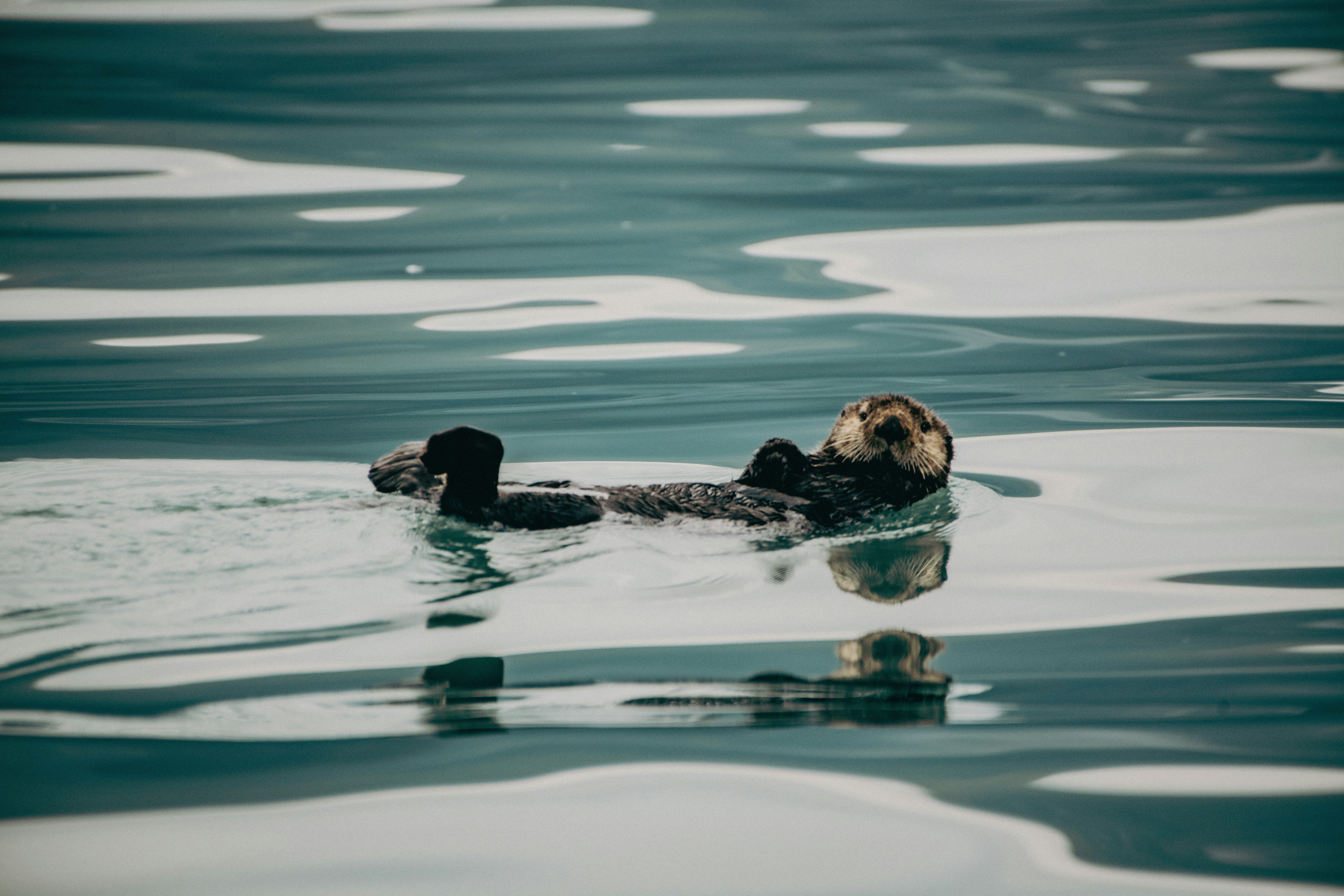
Your Ultimate 3-Day Kenai Peninsula Itinerary
The Kenai Peninsula, "Alaska's Playground," is where towering mountains meet the sea and colossal glaciers calve into blue fjords. From the bustling Seward harbor to the wild Kenai River system, the region packs incredible Alaskan experiences.
To conquer this massive landscape in just three days requires strategic intensity. This itinerary is a carefully planned loop designed for deep immersion in the region’s two most iconic destinations: the glacial majesty of Kenai Fjords National Park (via Seward) and the rugged, river-focused wilderness around Cooper Landing. This blueprint ensures a comprehensive, action-packed adventure that delivers the absolute best of the Kenai in a limited timeframe.
Day 1: The World's Most Scenic Drive And The Gateway To The Fjords (Anchorage To Seward)
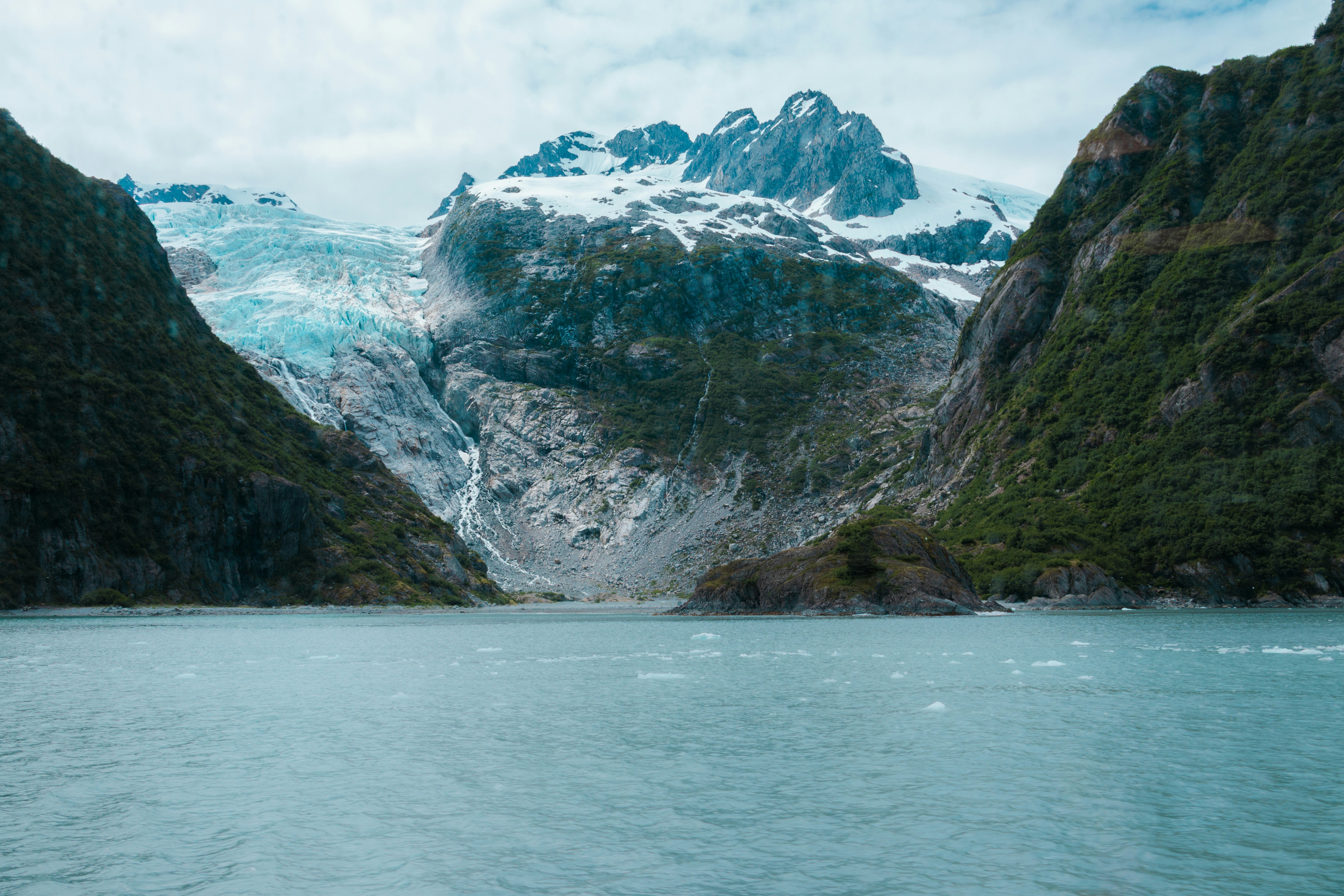
Your Alaskan adventure begins the moment you leave Anchorage, traversing the famous Seward Highway, a designated All-American Road. This 127-mile stretch, carving its way between the steep, dramatic peaks of the Chugach Mountains and the churning waters of the Turnagain Arm, is so spectacularly beautiful that it is, in itself, a world-class attraction, routinely ranked among the most beautiful drives on the planet. This drive is the first major opportunity to experience the scale and grandeur of Southcentral Alaska.
Allow a generous 4-5 hours for the journey, as rushing is simply not an option. The constant pull of dramatic overlooks, opportunities for wildlife sighting, and the sheer need to stop and absorb the mountain-meets-sea vista demand frequent stops. This is the initial stage of your Kenai Peninsula itinerary 3 days, and it sets an impossibly high bar for the days to come.
1. The Unmissable Morning: Seward Highway Scenic Stops
The first half of the drive follows the stunning shoreline of the Turnagain Arm, an inlet characterized by extreme 30-foot tides and towering, often snow-capped, glacial peaks that plunge directly into the sea.
2. Potter Marsh Wildlife Viewing Boardwalk
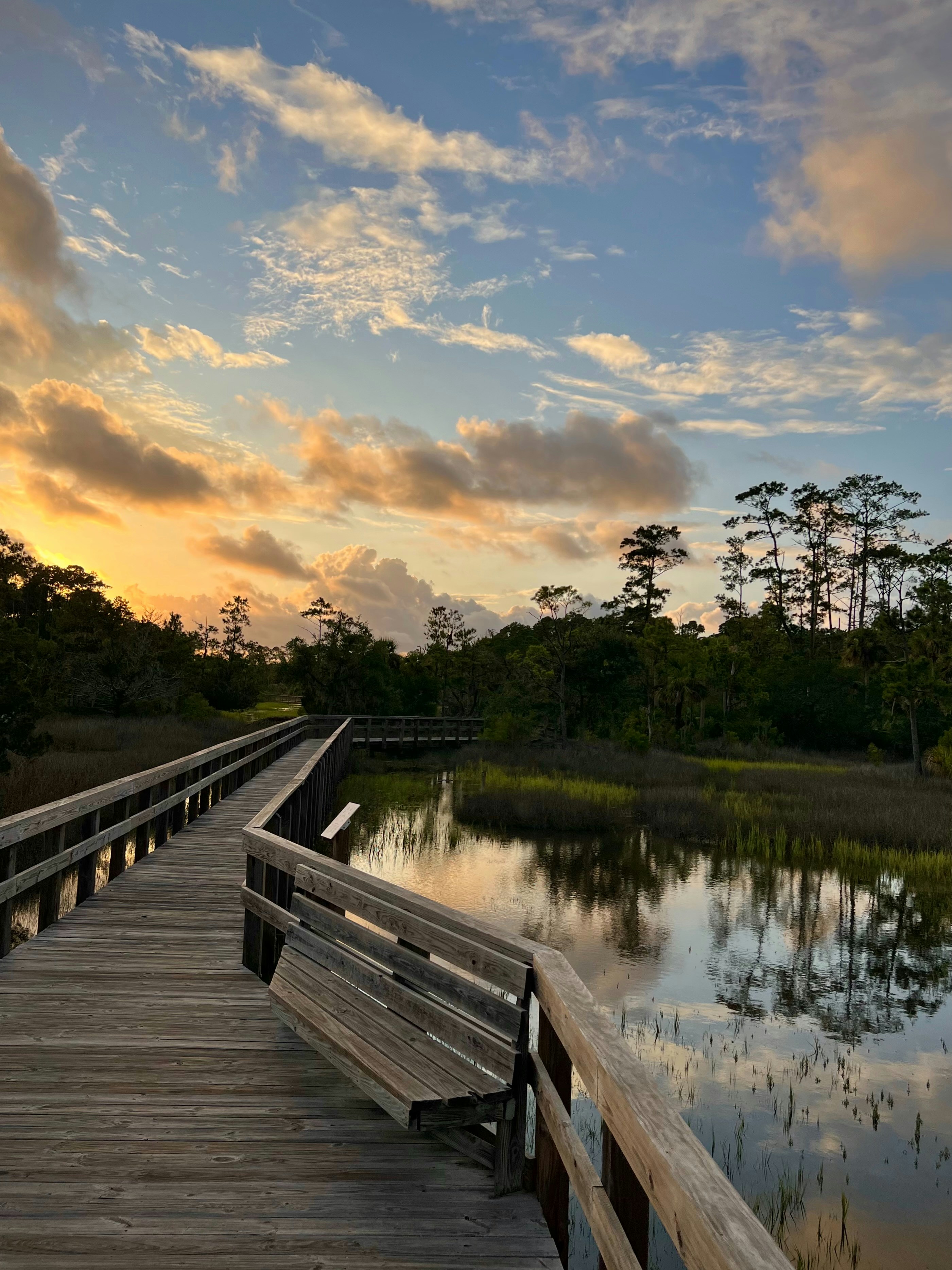
- Location: Located right on the edge of Anchorage, at the southern end of the city.
- Why Stop: This is an easily accessible viewing platform that extends over the marsh, offering excellent opportunities to see migratory birds, waterfowl, and often, large moose grazing or wading in the wetland grasses. It’s a gentle, easily accessed introduction to Alaskan wetland wildlife right out of the gate, providing a valuable contrast to the marine environment you’ll encounter later.
3. Beluga Point And The Bore Tide Watch
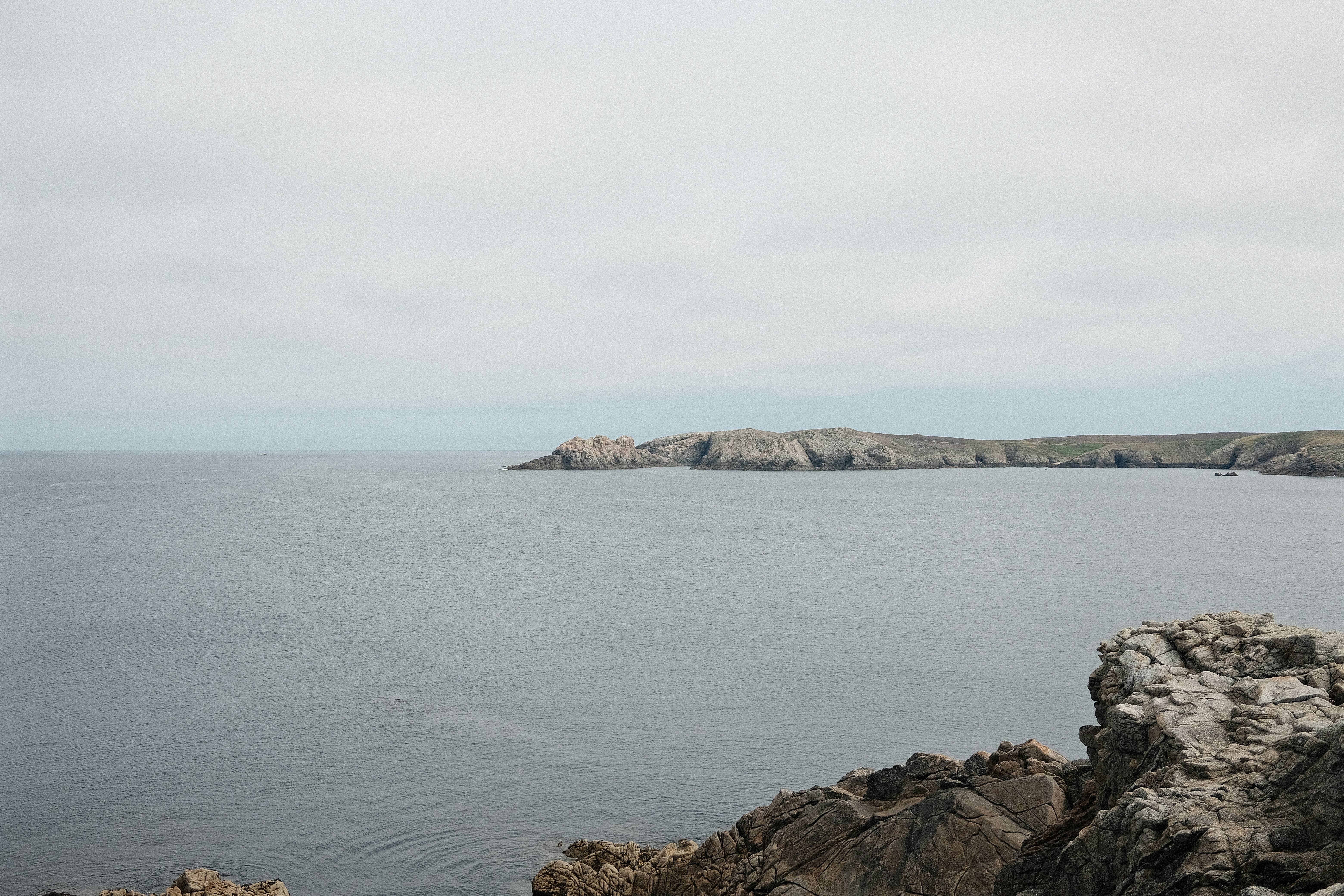
- Location:Milepost 110.5 of the Seward Highway.
- Why Stop:This rocky outcrop provides sweeping, panoramic views of the Turnagain Arm's vast waters. Critically, it’s one of the best spots to scan the water for the small, white Beluga whalesthat frequently feed in the inlet during the late summer salmon runs (typically mid-July to August). It's also a prime location to witness the rare bore tide, a massive tidal wave that surges up the shallow inlet; checking local tide charts for the exact timing of this spectacular event is highly recommended before you travel.
4. Windy Corner For Dall Sheep Spotting
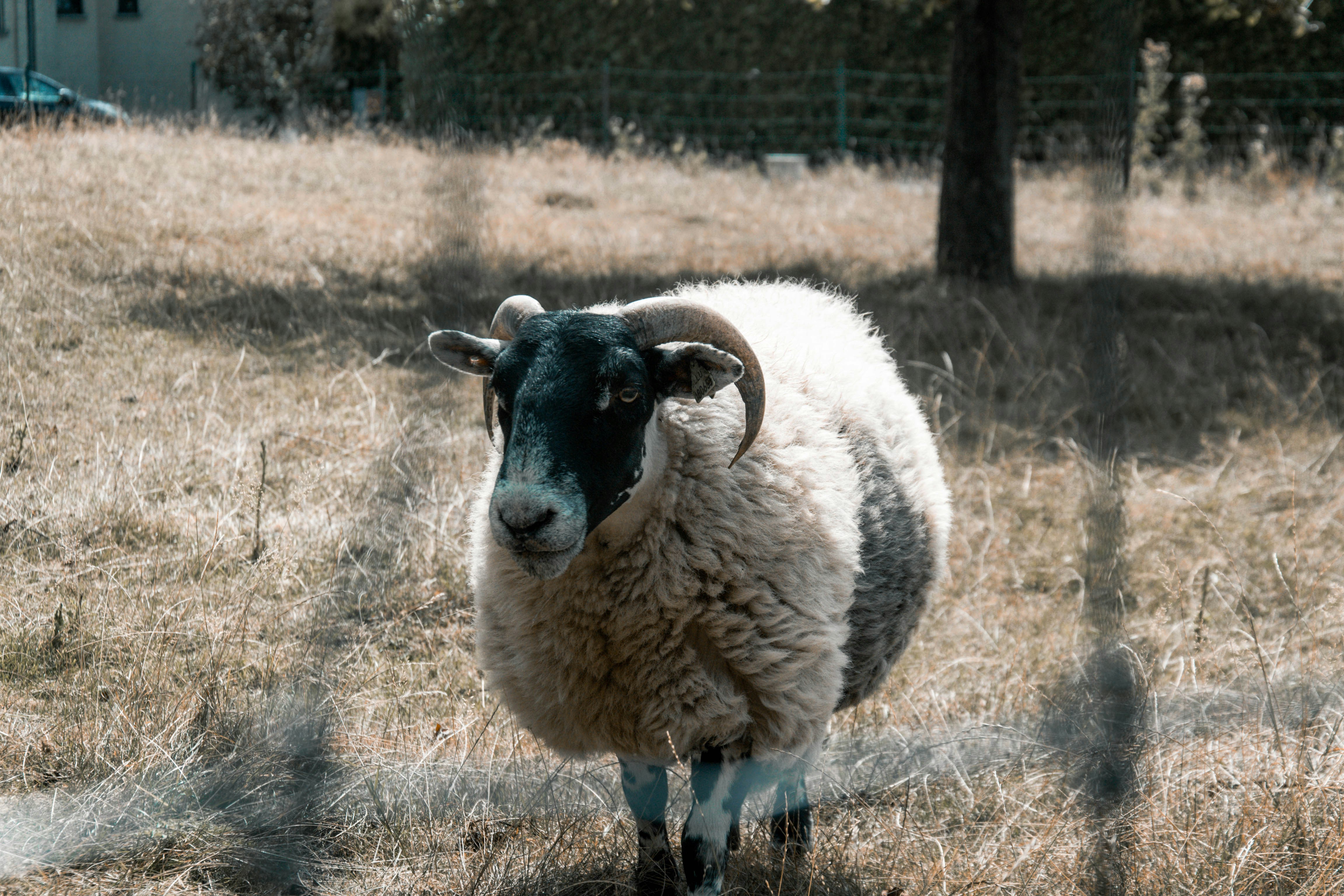
- Location:Between Beluga Point and Bird Point, look for the towering, rugged cliffs on the mountainside.
- Why Stop: True to its name, this area is known for strong winds but is arguably the most reliable spot on the highway to see Dall Sheep. These sure-footed, white creatures often cling precariously to the rocky cliffs high above the road, offering phenomenal photo opportunities and a powerful reminder of the rugged, high-alpine mountain environment surrounding the road. Keep your binoculars handy, as they blend seamlessly with the white rock.
5. Alaska Wildlife Conservation Center (AWCC)
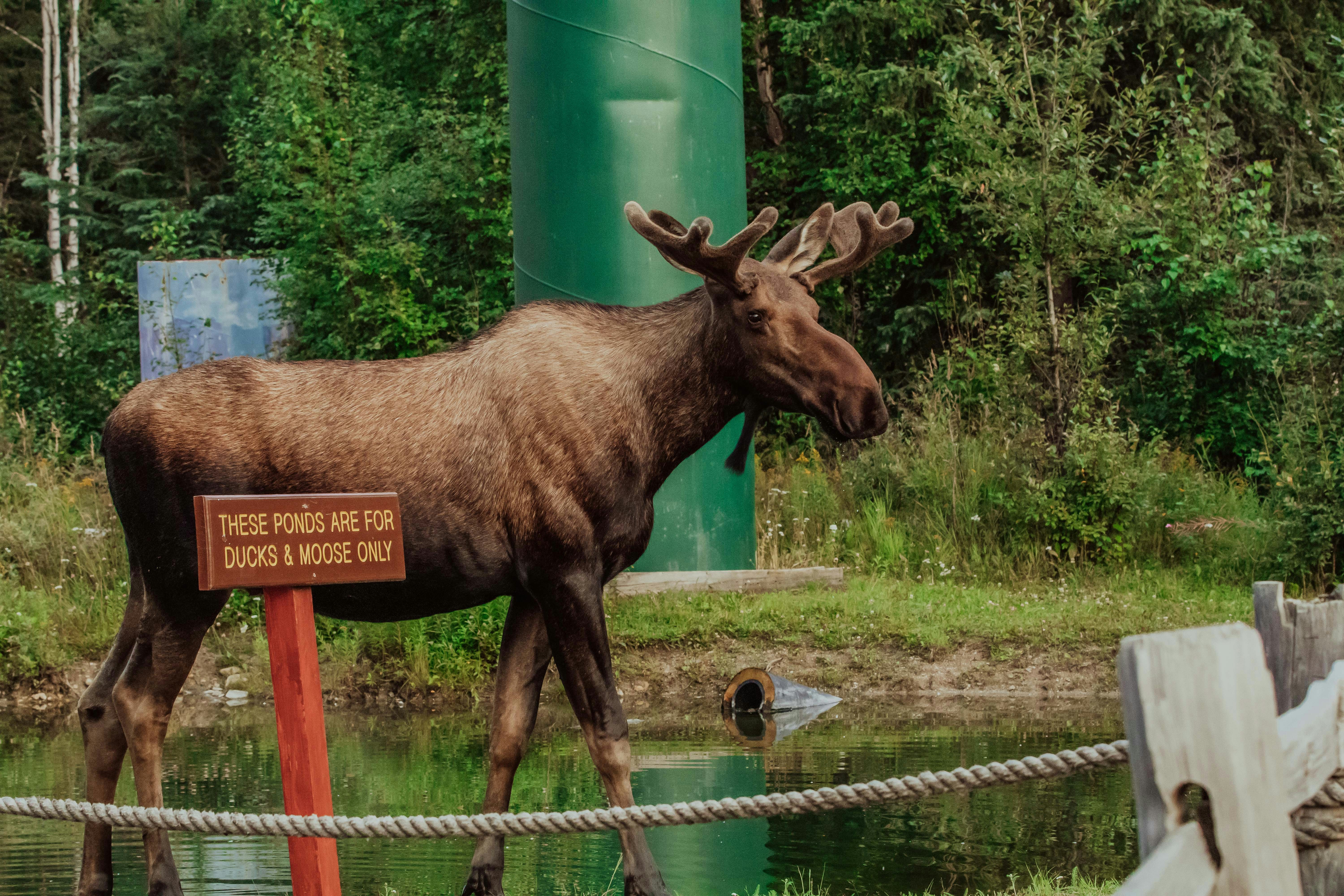
- Location:Milepost 79 of the Seward Highway (near the Portage Glacier turnoff).
- Why Stop:This is a crucial stop for guaranteed wildlife viewing and supports vital conservation work. The center is a sanctuary for injured and orphaned animals, featuring vast, natural enclosures that allow for close-up views of iconic Alaskan species. You are virtually guaranteed to see wood bison, massive moose, powerful elk, majestic caribou, and often both brown and black bears foraging and moving naturally within their large habitats. The AWCC plays a vital role in conservation and offers insightful interpretive programs about the animals' roles in the Alaskan ecosystem. It’s a great way to view Alaska’s “Big Five” safely and ethically.
The Alaskan Afternoon: Arriving In Seward And Coastal Immersion
After arriving in the charming, brightly colored port town of Seward, nestled dramatically beside the stunning Resurrection Bay, check into your lodging and head straight for the waterfront to transition into the marine segment of your Kenai Peninsula itinerary 3 days.
6. The Alaska SeaLife Center: An Ocean Ecosystem Deep Dive
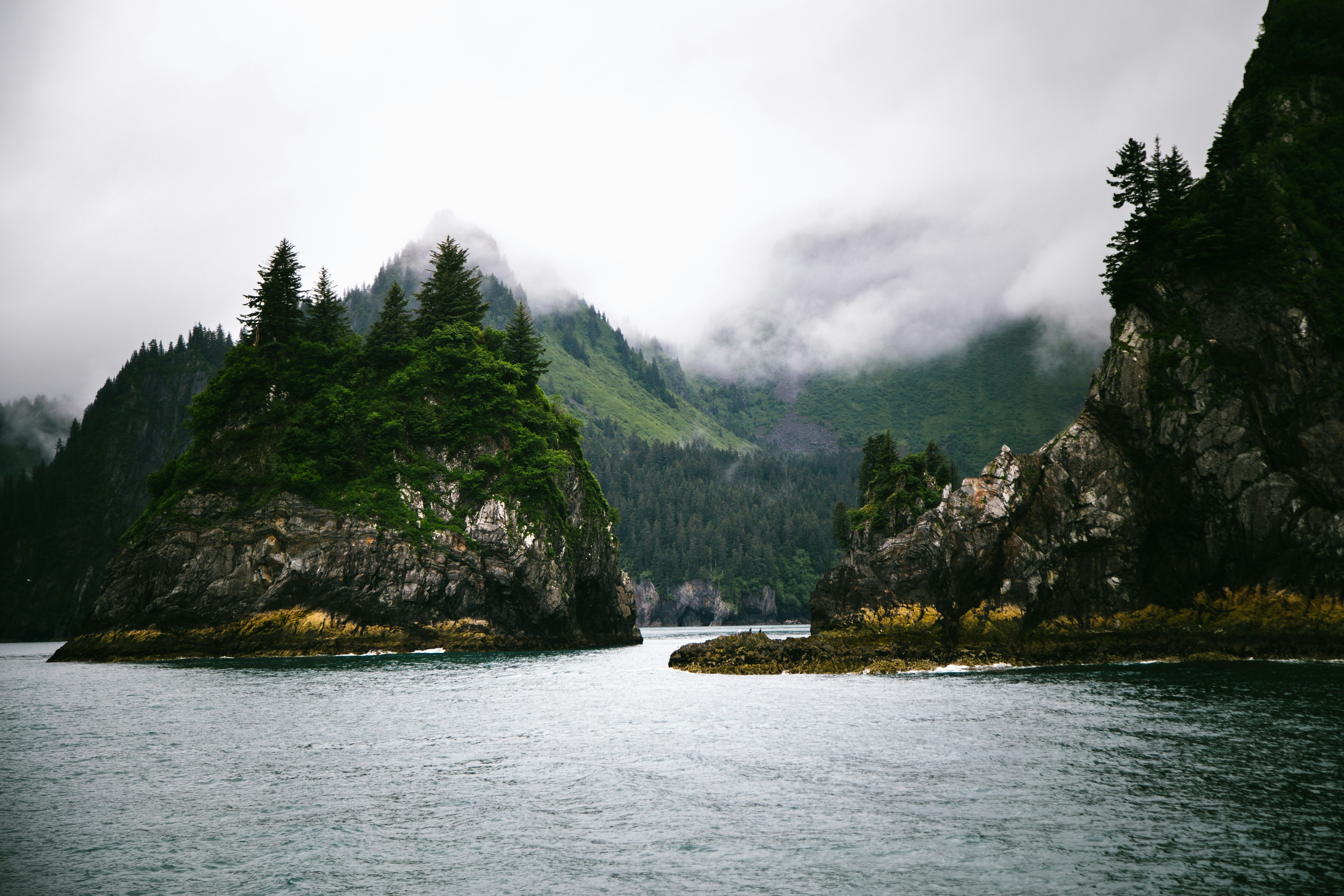
- Location:Right on the waterfront of Resurrection Bay, near the harbor.
- Why Stop:As Alaska’s only public aquarium and ocean research center, the SeaLife Center is a fundamental educational stop that enriches your entire trip. It offers incredible insight into the marine life you'll encounter the next day on your cruise. You’ll get up close with playful puffin colonies (the "sea parrots"), massive Steller sea lions, sleek harbor seals, and intelligent giant Pacific octopuses. The center focuses heavily on rehabilitation, education, and research, providing context to the delicate marine environment of the fjords. It's the perfect preparation for understanding the grand scale of Kenai Fjords National Park on Day 2.
Evening: Harbor Charm, History, And A Taste Of The Sea
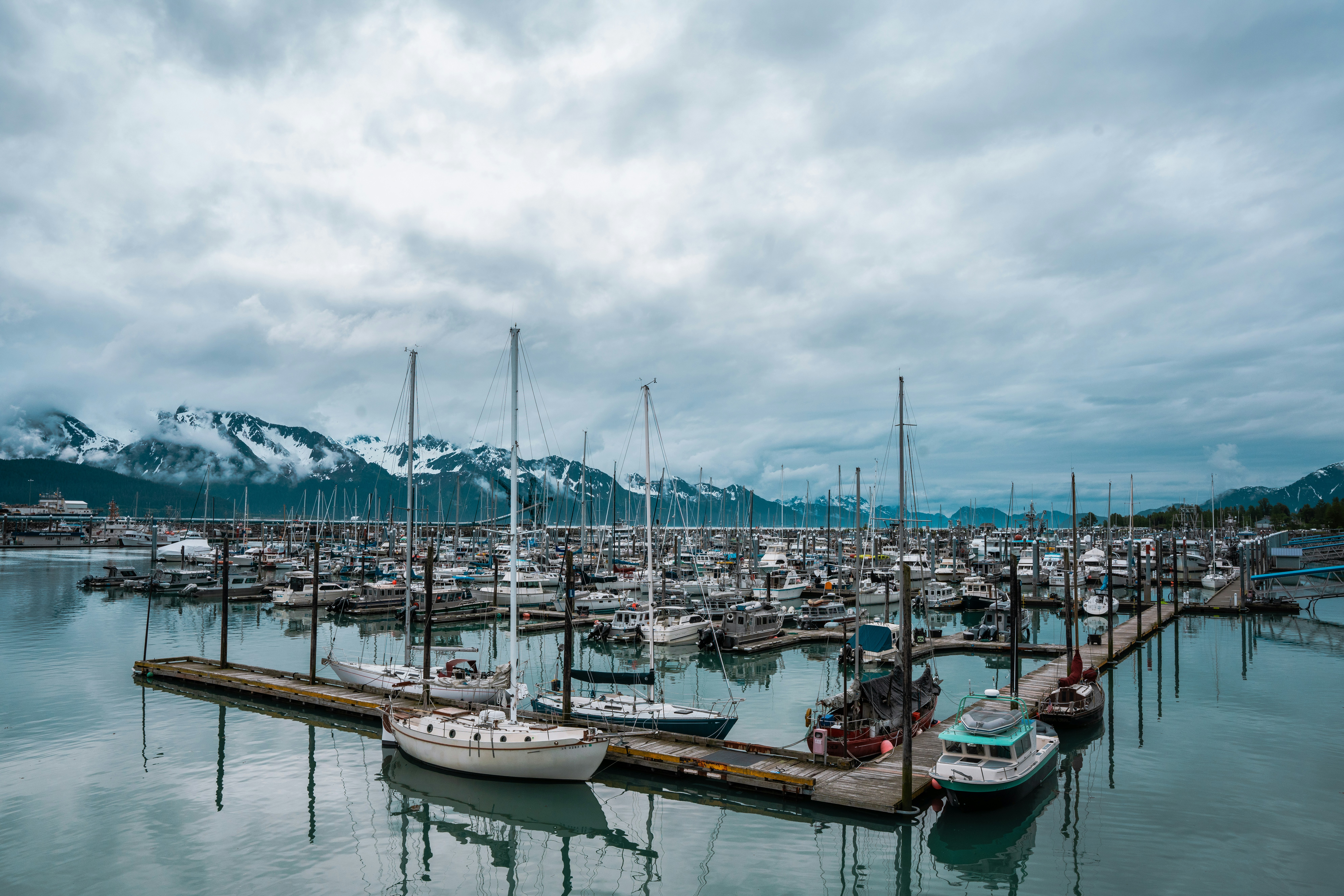
7. Seward Boat Harbor
Spend your evening soaking up the atmosphere of the Seward Boat Harbor. This bustling hub is constantly alive with activity, hosting commercial fishing boats, charter vessels, and colorful processing facilities. The smell of salt and fish is the perfume of the Alaskan coast.
- Historical Note:Seward is the original southern terminus of the historic Alaska Railroad and was the staging area for the early 20th-century gold rushes. The town itself has a deep, rugged history. Take a moment to walk the waterfront and appreciate the town's historical significance, which is often overshadowed by its natural beauty.
- Dinner Recommendation: Embrace the quintessential Alaskan experience with fresh-caught seafood. Local institutions like Ray's Waterfront or Chinooks offer spectacular views of Resurrection Bay alongside world-class, sustainably sourced seafood, particularly the local halibut or giant King salmon.
- A Final Stroll:The sunset view over the bay, with the steep, forested mountains of the Kenai Range rising dramatically from the sea, is the perfect, peaceful capstone to your arrival day. You are now fully immersed in the rhythm of the Alaskan coast, ready for the main event tomorrow.
Day 2: The Heart Of The Kenai: Kenai Fjords National Park
Day two is entirely dedicated to the absolute, undisputed highlight of the Kenai Peninsula: Kenai Fjords National Park. This is the core of your Kenai Peninsula itinerary 3 days. It is here that the massive, 300 square mile Harding Icefield a relic of the last ice age carves out deep, majestic fjords, and the wildlife density is simply staggering, fueled by the rich, nutrient-laden Gulf of Alaska waters.
Morning To Afternoon: The Glacier & Wildlife Cruise—A True Alaskan Epic
To fully appreciate the scope and majesty of the park, a guided boat cruise is not just recommended, it is mandatory. This is your chance to witness the raw, geological power of Alaska and the vibrant life it supports up close.
1. Choosing Your Kenai Fjords Cruise (The Ultimate Experience)
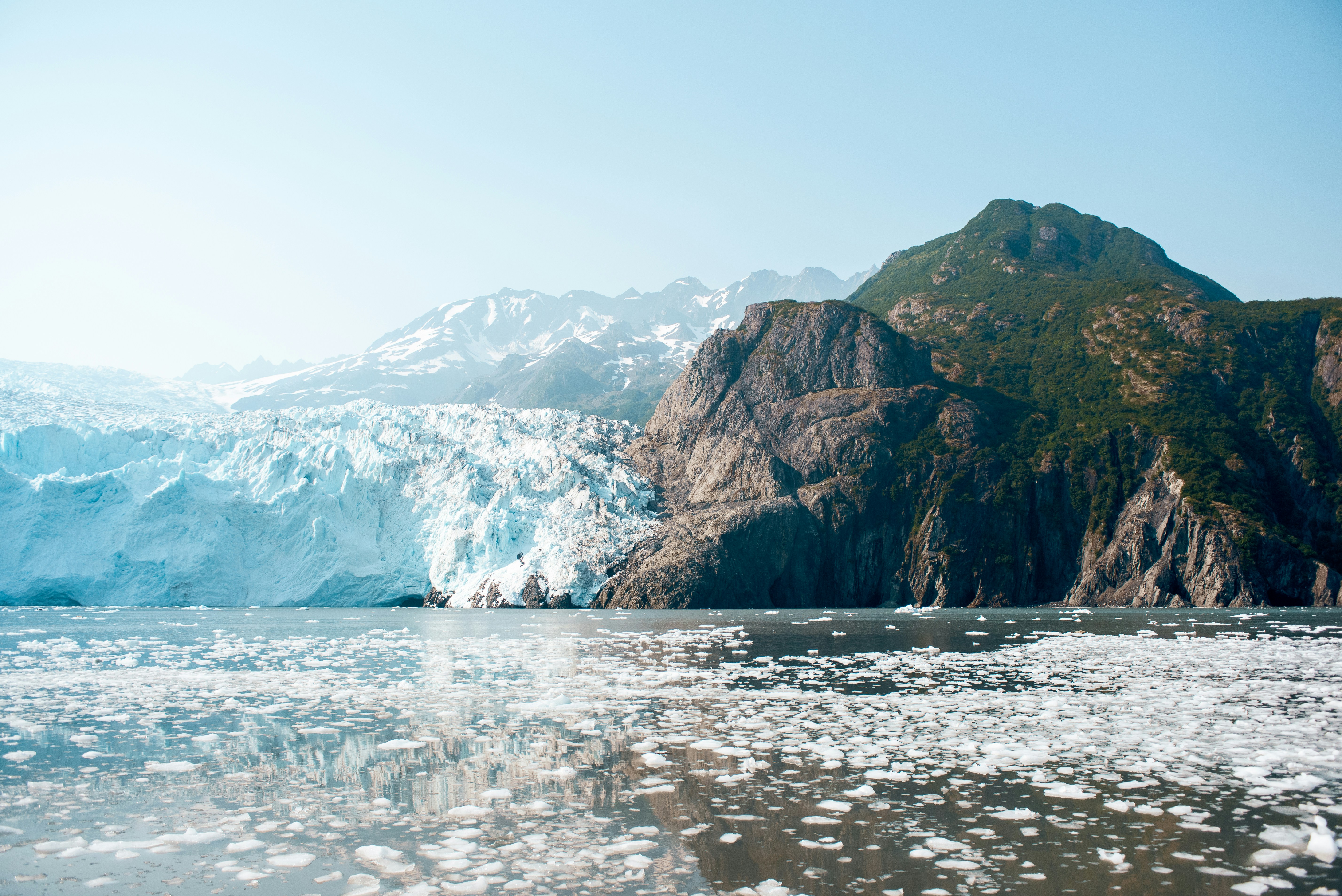
The Recommendation: Book the full-day, 7.5 to 9-hour Northwestern Fjord Tour or a similar extended tour. While half-day tours are available and excellent for those with motion sickness or small children, the full-day journey penetrates much deeper into the remote areas of the park. This extended travel time provides a far greater chance of experiencing spectacular tidewater glacier calving events and encountering the most diverse range of wildlife. The deeper you go, the more pristine and untouched the experience becomes.
Tidewater Glacier Spectacle:The primary objective of the full-day trip is to visit colossal tidewater glaciers, such as Holgate Glacieror the immense Northwestern Glacier. These rivers of ice flow directly into the sea, where they terminate in dramatic cliffs of compressed blue ice. Calving, the process where massive chunks of ice some the size of large buildings break off and crash into the sea with a sound like thunder, is a truly primal and unforgettable auditory experience. The unique blue color of the ancient ice, compressed over millennia, is an astonishing sight.
Marine Wildlife Superhighway:The fjords are a critical feeding ground and wildlife superhighway. During the cruise, the captain and on-board naturalists are constantly scanning for:
Cruise Day Logistics:These are the essential practical steps and tips to ensure a smooth boarding and experience for your full-day glacier cruise:
- Check-in:Arrive at the harbor for check-in at least 30-45 minutes prior to departure. This gives you enough time to pick up your tickets, find the correct vessel, and get settled without feeling rushed.
- Seating Strategy:If you are worried about motion sickness, try to sit near a window on the lower deck or near the back of the vessel for better stability and air circulation. However, the best viewing and photography opportunities will always be from the outdoor decks.
- Food: Full-day tours usually include a meal (often a hot lunch or boxed lunch), but bringing extra snacks and non-alcoholic drinks is always a good idea, as being out on the water for 7-9 hours works up an appetite.
Pro Tip for Comfort:Dress in warm, waterproof layers! This cannot be stressed enough. Even if the day is sunny and warm in Seward, the air temperature drops dramatically near the glaciers, and the boat ride can be extremely windy and wet, especially when crossing the open Gulf of Alaska.
You should wear: a moisture-wicking base layer, a warm mid-layer (fleece or wool), and a waterproof/windproof outer shell jacket and pants. Bring a warm hat, gloves/mittens, and sunglasses. Taking motion sickness medication beforeyou board is strongly advised for those prone to seasickness, as the open water can be rough.
Late Afternoon: Exit Glacier Exploration
After the cruise returns, you’ll have just enough time to visit the only road-accessible part of Kenai Fjords National Park, located just a short, 15-minute drive from Seward. This land-based view of the icefield provides a powerful, tactile complement to your marine adventure.
2. The Walk To The Toe Of Exit Glacier
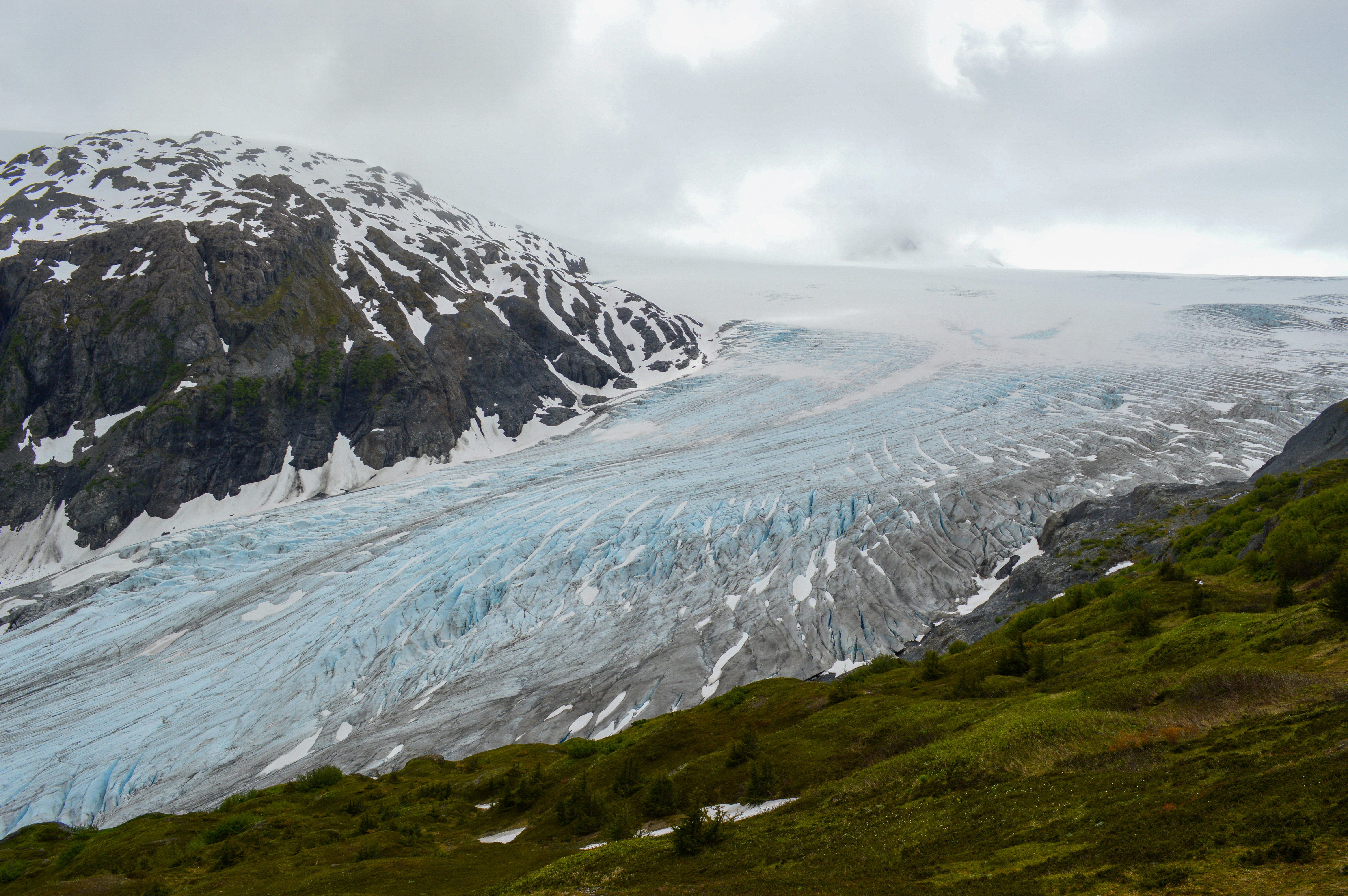
- Location: Just 12 miles northwest of Seward, accessible via Exit Glacier Road.
- Why Stop:The Exit Glacier Trail is an easy, short, and well-maintained walk that takes you right up to the toe of the glacier. Critically, interpretive signs along the path dramatically mark the glacier’s historical recession over the years (showing the year the glacier reached that point), giving a striking, visible, and sobering perspective on climate change and the immense scale of the ice mass. It's a surreal and educational feeling to stand so close to such a powerful, frozen landscape.
- The Optional Thrill:For highly fit, prepared, and experienced hikers, the grueling Harding Icefield Trail (8.2 miles roundtrip, 3,000+ ft elevation gain) offers a phenomenal, high-alpine view of the massive icefield that feeds Exit Glacier and its brethren. This is a full-day, strenuous commitment and should only be attempted in good weather with proper gear, potentially requiring you to skip or significantly shorten the morning cruise, but the views are legendary.
Evening: Wind Down And Prepare For The River
Tonight is about recovery and fueling up for the final leg of your Kenai Peninsula itinerary 3 days.
- Enjoy a casual meal in Seward and perhaps a locally brewed beverage at the excellent Seward Brewing Company or a dessert at a local cafe.
- It’s important to get an early night, as Day 3 involves an earlier start and a major change of scenery from the coastal ocean fjords to the inland wilderness river systems.
Day 3: River Kings, Wilderness Lakes, And The Road Back (Seward To Cooper Landing To Anchorage)
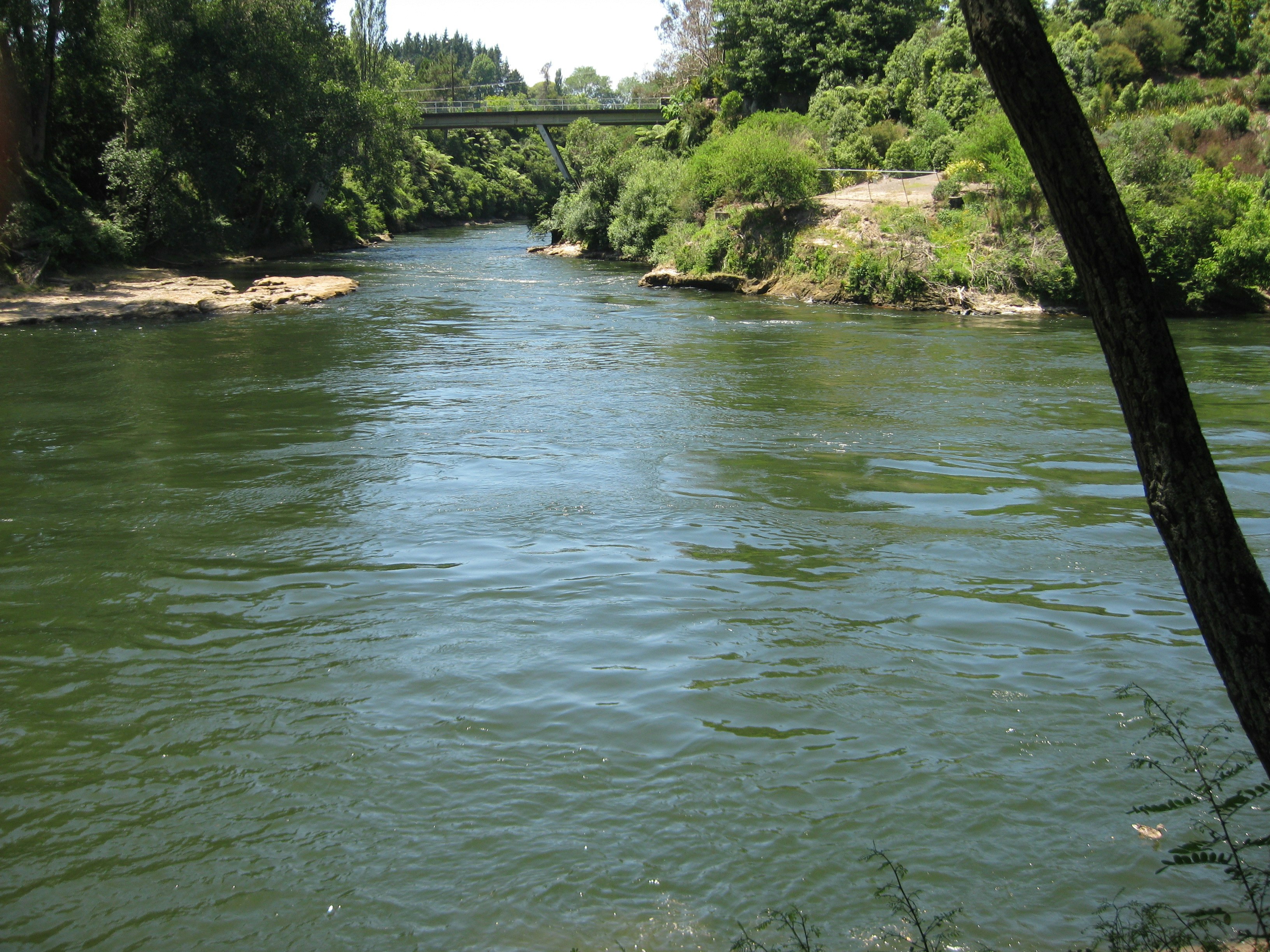
On your final day, you complete your transition from the coastal environment to the rich, temperate inland wilderness. This involves following the famous Kenai River system through the heart of the Kenai National Wildlife Refuge. This final leg offers a distinct change of pace and scenery a deep-green, water-centric adventure framed by the majestic Kenai Mountains.
Morning: The Turquoise Waters Of Cooper Landing
Drive approximately one hour north from Seward, passing through the charming, tiny community of Moose Pass, until you reach the legendary river corridor near Cooper Landing. This area is world-famous for its massive salmon runs, fly-fishing, and unparalleled scenic beauty.
1. Cooper Landing Scenic Raft Trip (Wildlife And Color)
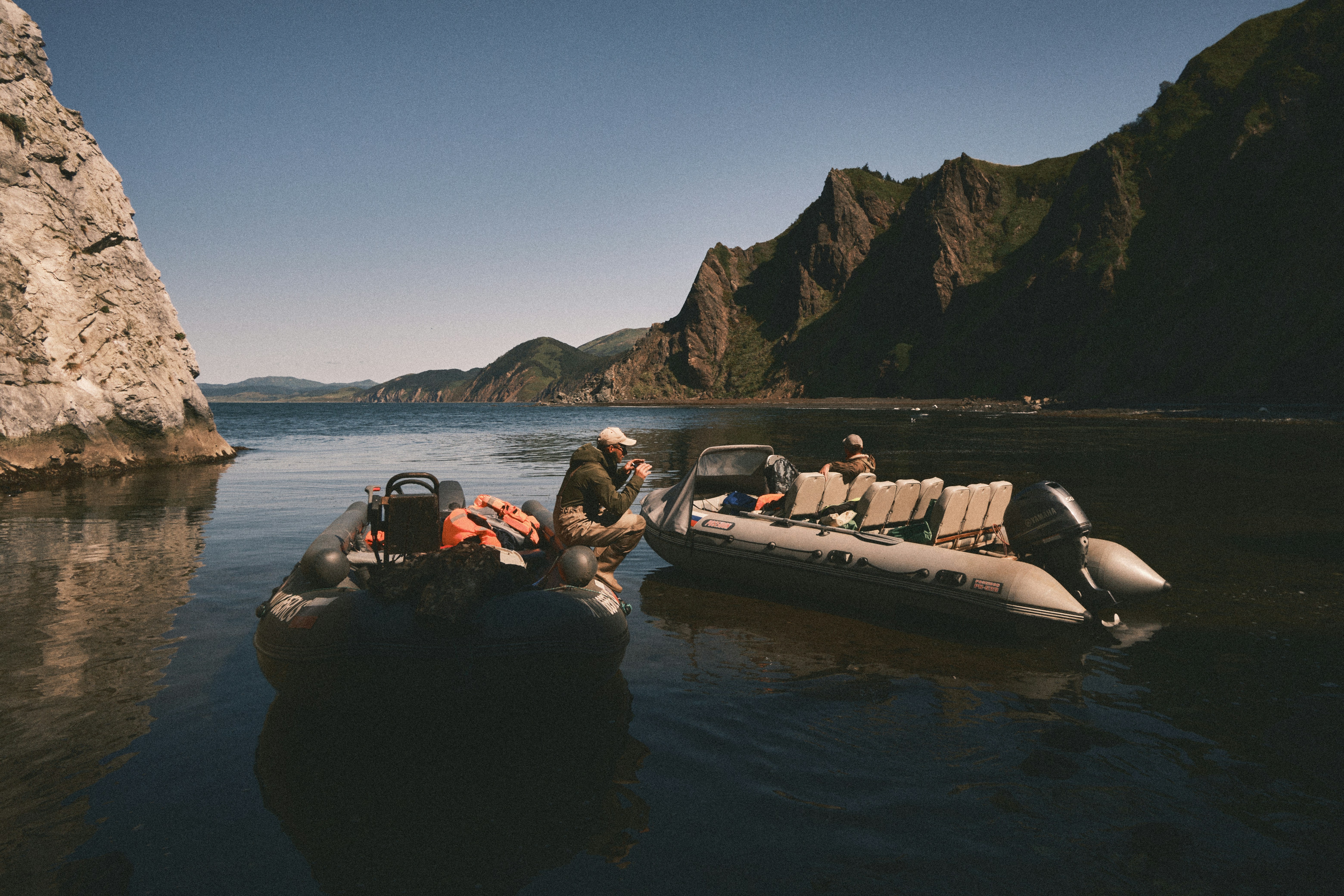
- The Activity:Book a scenic, guided raft trip on the Upper Kenai River. Unlike white-water rafting on nearby rivers like the Six mile, these are typically mellow, guided floats designed explicitly for wildlife viewing and deep immersion in the river corridor, not just adrenaline.
- The Color:The river's incredible emerald-green or aqua-blue color, caused by finely ground glacial silt known as "rock flour," is simply breathtaking. Floating on this vibrant water, surrounded by dense spruce and cottonwood forests and towering mountains, is a definitive Kenai experience.
- Wildlife Focus:The Upper Kenai River is a non-motorized section of the river, making it incredibly peaceful and ideal for spotting wildlife. Guides are experts at pointing out:
- Duration:Most scenic floats are 2-3 hours, making it an excellent, structured morning activity before the final drive back to Anchorage.
2. Kenai Lake Scenic Stop
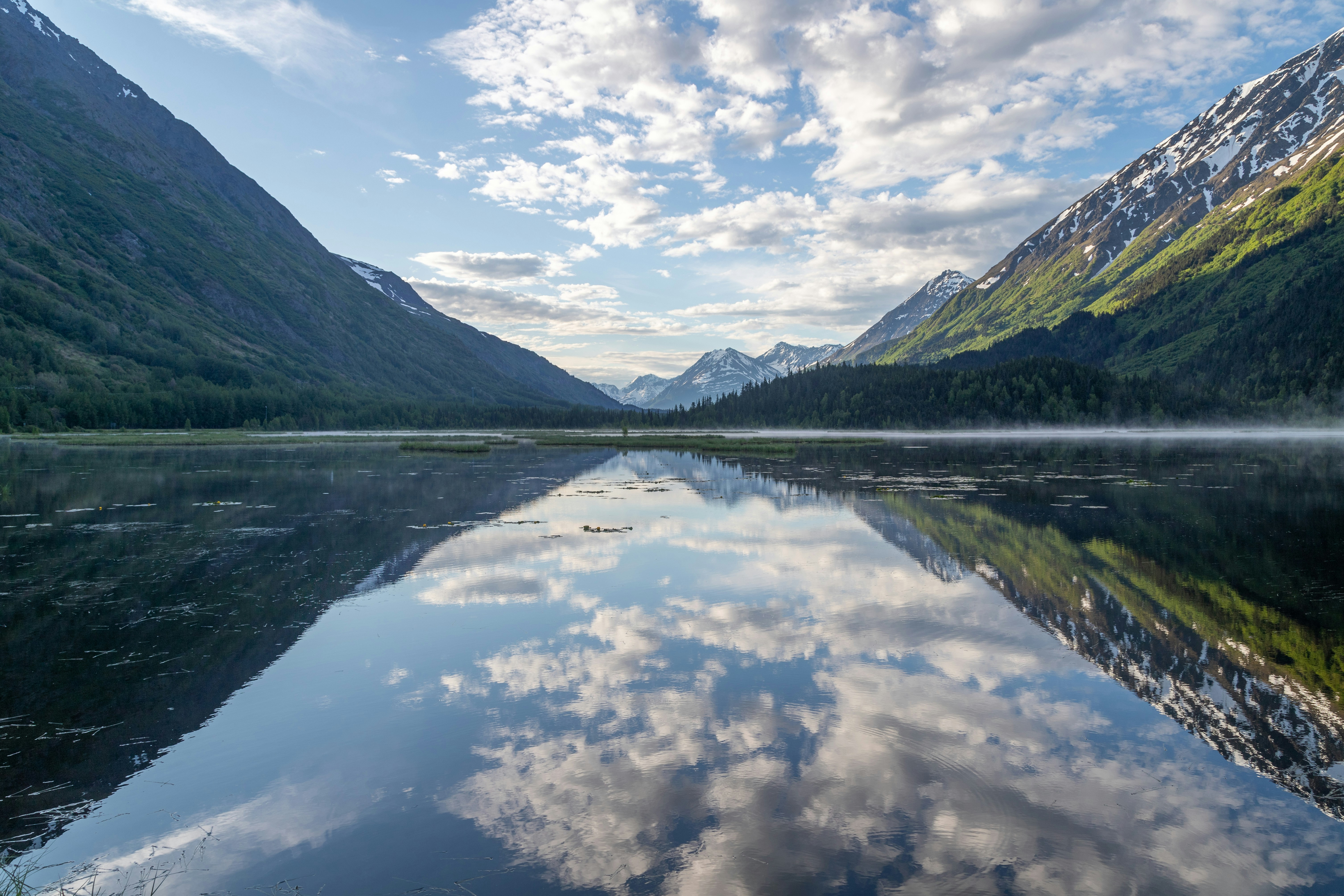
Take a brief moment to appreciate the vastness of Kenai Lake. Its distinct, vivid turquoise color and serpentine shape a result of glacial action make it one of the most photographed lakes in the state. Pull over at one of the roadside viewpoints to capture the dramatic contrast of the electric-blue water against the lush green forests and snow-capped peaks. This is the source of the famed Kenai River's color.
Afternoon: The Wildlife Corridor And Final Views
From Cooper Landing, the drive back to Anchorage is about 2.5 to 3 hours without stops. Use this time to take advantage of any stops you missed on Day 1 or explore an iconic wildlife viewing detour.
3. The Russian River Falls Hike (Salmon Run Detour)
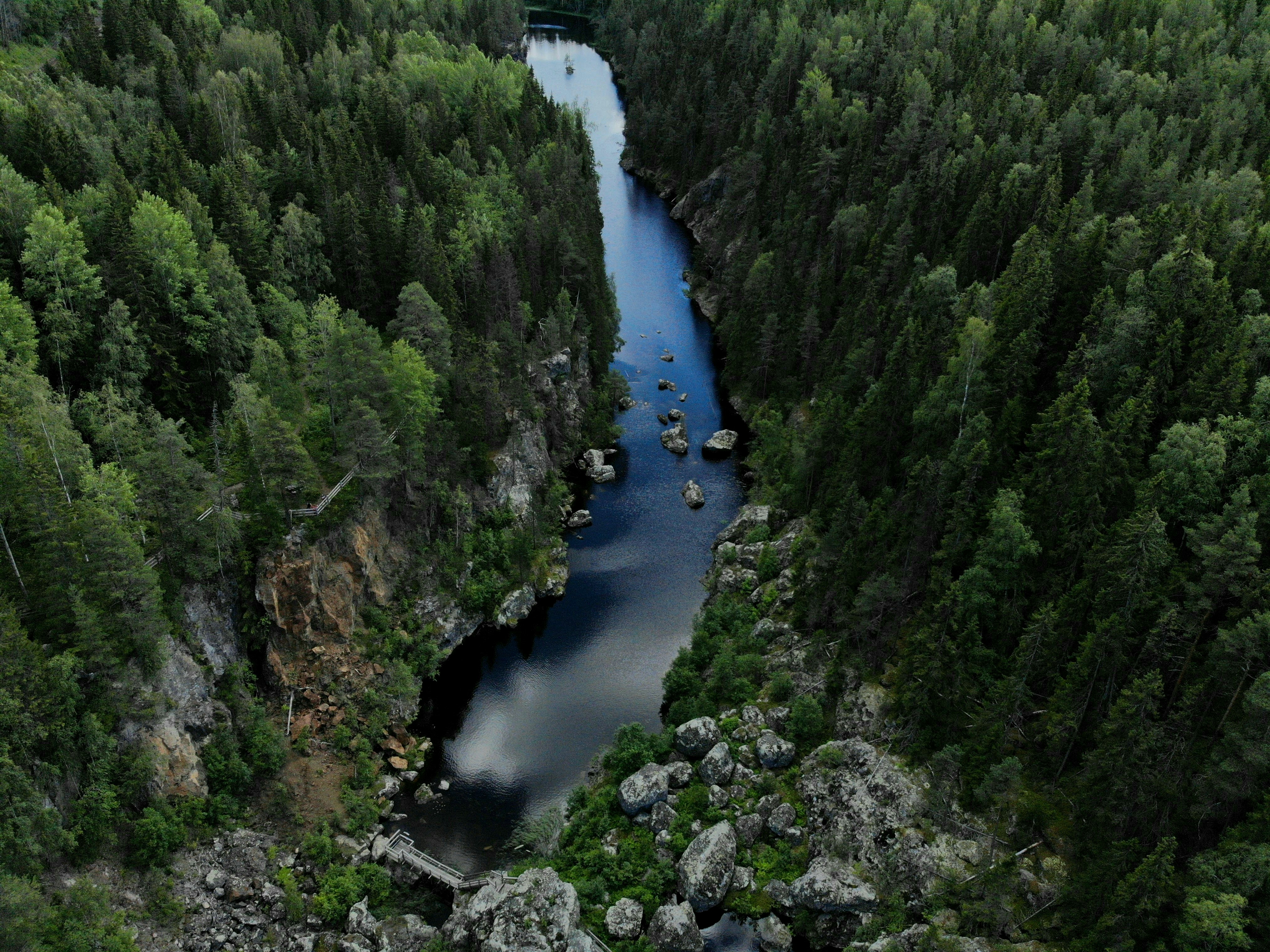
- Location:A 12-mile spur road (Russian River Campground Road) off the Sterling Highway near Cooper Landing.
- Why Stop:This detour leads to one of the most famous viewing spots for the massive Sockeye (Red) salmon run (typically mid-June to August). The easy, 2.3-mile (one-way) trail follows the river to a fall where you can watch thousands of powerful salmon struggle and leap up the falls to continue their spawning journey upstream.
Explore more: Things To Do In Alaska In July
Bear Viewing Caution:Because the salmon are so plentiful here, Brown and Black bears frequently congregate to fish. Viewing platforms are managed by the Forest Service to keep people at a safe distance, but this is a thrilling, albeit necessary, reminder that you are truly in the wild. Always observe all posted safety guidelines, carry bear spray, and make noise on the trail. This is a chance for truly authentic Alaskan wildlife observation.
4. The Girdwood Stop-Off And Final Vista
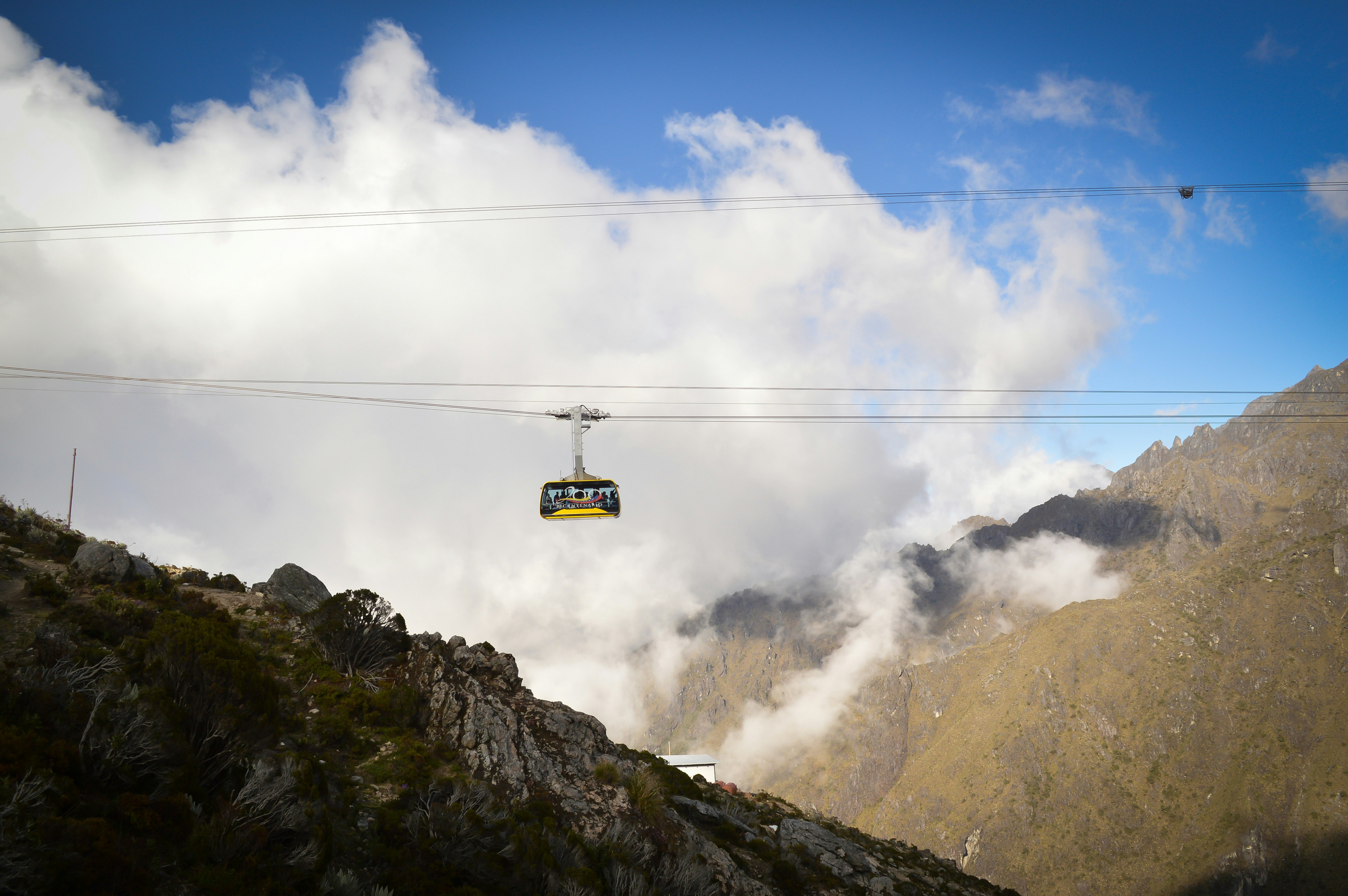
Just before the final stretch into Anchorage, make a stop in the funky, sophisticated mountain town of Girdwood, home to the Alyeska Resort.
The Alyeska Aerial Tram:If you have an hour to spare and the visibility is clear, ride the Alyeska Aerial Tram for stunning panoramic, high-alpine views. The tram whisks you 2,300 feet up Mount Alyeska, offering views of the entire Turnagain Arm, multiple spectacular hanging glaciers nestled in the Chugach Mountains, and the vast forested valley. It’s a perfect, elevated final vista that showcases the massive mountain range you have just driven through.
5. The Grand Finale: Return To Anchorage
Arrive back in Anchorage in the late afternoon or early evening, marking the triumphant end of your whirlwind Kenai Peninsula itinerary 3 days. You will have successfully navigated one of the world's great scenic drives and experienced two of Alaska’s most defining adventures: an up-close glacier cruise amid marine giants and an immersion into the lush, salmon-rich river systems of the inland wilderness.
Essential Trip Planning & Logistics For The Kenai
A successful Kenai Peninsula itinerary 3 days trip requires preparation and diligence. Time is your most precious resource, and logistics must be ironed out in advance, especially during the peak summer season (June to August).
Crucial Logistics And Planning Checklist
Rental Car is Mandatory:A personal vehicle is absolutely crucial for this itinerary. It provides the flexibility needed to stop at all the scenic overlooks on the Seward Highway, visit Exit Glacier on your own timeline, and access the river areas around Cooper Landing. Book your vehicle well in advance (4-6 months is ideal for summer travel) as inventory is limited and expensive.
Book Tours Early (Critical!): The Kenai Fjords National Park boat tours are the most popular activity and have fixed seating capacity. They routinely sell out weeks or months in advance, particularly the full-day itineraries that go to the deepest, most rewarding parts of the park.
Optimal Season:
- Best Time to Visit:Mid-June to Mid-September. This is the primary summer and shoulder season and is when all boat tours and major services are fully operational. This window also offers the best combination of milder weather, maximum daylight hours, and the highest opportunities for wildlife viewing (especially whale migration and the spectacular salmon run).
- Weather Reality: Always pack for all four seasons, even in the height of summer. Alaskan weather is notoriously variable, and a single day can easily feature rain, sunshine, and near-freezing temperatures near a glacier. Layers are mandatory! Early June or late September risk cold weather and fewer tour operations.
The Alaskan Packing Philosophy: Layers: Alaska's weather is notoriously unpredictable and can change dramatically over the course of an hour, especially near the ocean or glaciers. Therefore, adopting a strategic layering system is absolutely mandatory for comfort and safety.
- Layers are mandatory! You must be able to add or shed clothing to quickly adapt to temperature shifts.
- Base Layer:You will need a moisture-wicking base layer (synthetic material or merino wool, avoid cotton). This layer goes next to your skin and pulls sweat away.
- Mid-Layer:A warm mid-layer (fleece jacket, wool sweater, or a lightweight puffy down jacket) provides insulation and holds in body heat.
- Outer Shell:A durable, waterproof and windproof outer shell jacket and pants are essential, particularly for the glacier cruise where spray and cold wind are constant.
- Accessories:Bring a warm hat (beanie), gloves/mittens (wool or waterproof), and sturdy waterproof hiking shoes or boots. Keeping your head, hands, and feet warm is vital for enjoying the outdoor activities.
Understanding Estimated Costs (Budgeting)
While you can travel economically by camping or staying in hostels, the major excursions are a significant investment and must be budgeted for accordingly. The following offers a conservative, high-level per-person estimate for the core experiences and necessary items in peak season:
Core Excursion Costs (Per Person):
- Full-Day Glacier Cruise:Expect costs in the range of $220 - $300. This is the single largest expense but is absolutely essential for the itinerary and must be booked early.
- Scenic River Raft/Float:Budget approximately $100 - $150 for a guided 2–3-hour float trip in Cooper Landing (Day 3 activity).
- Alaska SeaLife Center Admission:The entry fee is typically around $30 per person.
Major Logistical Costs (Total Estimate):
- Mid-Range Lodging (3 Nights):Prices are elevated in peak season. Plan for $200 - $300 per night in Seward. A conservative total lodging cost would be $600 - $900+.
- Rental Car & Gas (3 Days):The cost is highly variable, but the shared cost should be budgeted for $200 - $400 (factoring in high Alaskan gas prices and high rental demand).
Total Estimated Low-End Trip Cost: A comfortable, non-flight-inclusive trip focusing on these highlights (excluding food, personal gear, and souvenirs) will likely total $1,150+ per person. Advance planning is crucial for managing these costs.
Frequently Asked Questions (FAQs) About Your Kenai Peninsula Itinerary 3 Days
Is 3 Days Enough Time For The Kenai Peninsula, Or Should I Stay Longer?
For a high-impact, efficient trip, three days is perfect for tackling the spectacular highlights of the central Kenai Peninsula (Seward/Kenai River). If your goal is to include the more remote lower peninsula, such as the arts community of Homer/Kachemak Bay, you would need a minimum of 5-7 days.
How Critical Is Booking The Kenai Fjords Boat Tour And Lodging In Advance?
Do not wait to book! The full-day glacier cruises (6+ hours) and Seward lodging are the single most critical reservations for this itinerary. They routinely sell out weeks or months in advance; booking 4-6 months prior is necessary to secure peak-season availability and avoid high prices.
What Is The Best Time Of Day To Drive The Seward Highway For Photographic Lighting?
For the best photographic light on the Seward Highway, drive during the "golden hours" (very early morning or late afternoon/evening). This provides the low, dramatic sunlight that truly highlights the sharp Chugach peaks and the shimmering waters of the Turnagain Arm.
Will I Definitely See Bears And Whales On This Itinerary?
While wildlife sightings are never guaranteed in the wild, this itinerary puts you in the prime locations for observation:
- Whales:The full-day Kenai Fjords cruise is one of the best places in the world to spot Humpback whales, Orcas, and Porpoises, particularly from mid-June onward. Your chances are very high.
- Bears: Guaranteed bear viewing requires a separate, expensive flight to remote parks (like Katmai). However, your chances of seeing Black or Brown bears in the wild are highest in the Cooper Landing area (near the Russian River Falls) during the salmon run (mid-summer). For guaranteed, safe viewing, the Alaska Wildlife Conservation Center on Day 1 is the best option.
Can I Substitute A Day Trip To Whittier Or Portage For One Of The Kenai Days?
Do not substitute Whittier or Portage Glacier for a day in Seward or Cooper Landing. The deep Kenai Fjords cruise is the single greatest highlight, offering glaciers and wildlife vastly superior in scale and density to the shorter Portage Glacier cruise. Stick to Seward and Cooper Landing for the absolute best experience.
Conclusion
Three days on the Kenai Peninsula, when planned with this level of detail, transforms from a quick visit into an exhilarating, highly efficient plunge into one of the world's most pristine and powerful wilderness areas.
You will stand in quiet awe of the raw, geological power of a massive tidewater glacier, feel the electrifying thrill of spotting a humpback whale breach the frigid surface, and breathe the fresh, clean air while floating on the vibrant, turquoise waters of the Kenai River.
This journey has successfully navigated a route that delivers maximum adventure with minimum fuss, leaving you with a camera roll full of unforgettable landscapes and a memory bank stocked with true tales from the Last Frontier. You have experienced the very best of the Kenai Peninsula in a powerful, unforgettable 72 hours.
The Kenai Peninsula, in its staggering beauty and immense scale, promises a journey that will reset your perspective and stay with you long after you leave.
Jump to
Your Ultimate 3-Day Kenai Peninsula Itinerary
Day 1: The World's Most Scenic Drive And The Gateway To The Fjords (Anchorage To Seward)
Day 2: The Heart Of The Kenai: Kenai Fjords National Park
Day 3: River Kings, Wilderness Lakes, And The Road Back (Seward To Cooper Landing To Anchorage)
Essential Trip Planning & Logistics For The Kenai
Frequently Asked Questions (FAQs) About Your Kenai Peninsula Itinerary 3 Days
Conclusion
Latest Articles
Popular Articles