Can You Drive To Alaska? Routes, Timeline, Safety And Costs
Can you drive to Alaska? Yes-get routes, border IDs, 5–10 day timelines, safety checks, and cost calculators to plan a smooth, legal trip.
Dec 07, 202512.4K Shares167.7K Views
Drive To Alaska: How Long It Takes
That dream of seeing the Northern Lights, the rugged peaks of the Chugach Mountains, and the vast, untamed wilderness of the Last Frontier calls to the soul.
But before you can feel the chill wind of Anchorage or Fairbanks, one question dominates the planning phase: Can you drive to Alaska?
The short answer is yes. However, framing it as a mere drive fundamentally misunderstands the experience.
This isn't a quick highway jaunt from New York or Texas. It is a monumental, multi-day expedition across international borders, an adventure known globally as the Alaska Highway or the Alcan.
Key Takeaways About Driving To Alaska
- You can drive to Alaska from the rest of the USA, but every land route goes through Canada.
- The main road is the Alaska Highway, a paved but remote route from Dawson Creek in British Columbia to Delta Junction in Alaska.
- You generally need a passport or other land-border-approved ID, plus valid vehicle documents and insurance that covers Canada.
- The best season for most people is late May to early or mid-September, when roads are clear and services are open.
- Expect roughly five to ten driving days from the Pacific Northwest, and more from California, Texas, or New York, depending on how fast you like to travel.
- If you cannot or do not want to drive through Canada, you can fly in and rent a car or put your vehicle on the state ferry system and continue by road in Alaska.
What People Really Mean When They Ask “Can You Drive To Alaska?”
When someone types “can you drive to Alaska” into a search box, they are usually not asking only about geography.
They are really wondering things like:
- Is there a continuous road network all the way to Alaska?
- Do I have to leave U.S. territory and enter Canada?
- How long would this drive take from where I live?
- Will my car or RV cope with the roads and weather?
- Is this road trip a fun adventure or a stressful mistake?
If that sounds like your internal monologue, you are exactly who this article is written for.
I’ll answer the basic “yes or no” question, but I’ll also walk through timing, border rules, alternative options, and some honest self-checks so you can decide whether this is a good idea for you, not just for “people on the internet”.
You Can Drive To Alaska – Here’s How It Actually Works
The Simple Answer
There is a real, continuous highway system that connects the rest of the USA and Canada to Alaska.
The backbone is the Alaska Highway, often called the Alcan. It runs from Mile 0 in Dawson Creek, British Columbia, through northern BC and the Yukon, and ends near Delta Junction in Alaska, where it meets the Richardson Highway.
The road is fully paved or chip-sealed, open all year, and used daily by residents, freight trucks, RVs, and regular cars.
Every Land Route Passes Through Canada
What you cannot do is stay entirely inside the contiguous United States and still reach Alaska by road.
To drive, you will:
- Cross from the USA into Canada.
- Travel through British Columbia and usually the Yukon.
- Cross from Canada into Alaska.
This means Canadian immigration rules, customs rules, and road rules all apply to you on the way north and on the way back.
If You Can’t Or Don’t Want To Drive Through Canada
You still have realistic options:
- Fly and rent a vehicle: You can fly into Anchorage, Fairbanks, or other Alaskan cities and pick up a rental car or RV. You still get the road-trip feel, but without the long haul through Canada.
- Use the state ferry system with your vehicle: Alaska’s marine highway network lets you load a car, motorcycle, or RV onto a ferry at certain ports (for example, in Washington or coastal Alaska) and then continue by road once you disembark. Many people use this to turn the journey into a land-and-sea combo.
There is no road from Russia into Alaska and no bridge over the Bering Strait, so that idea stays in the realm of thought experiments for now.
Main Road Routes To Alaska Through Canada
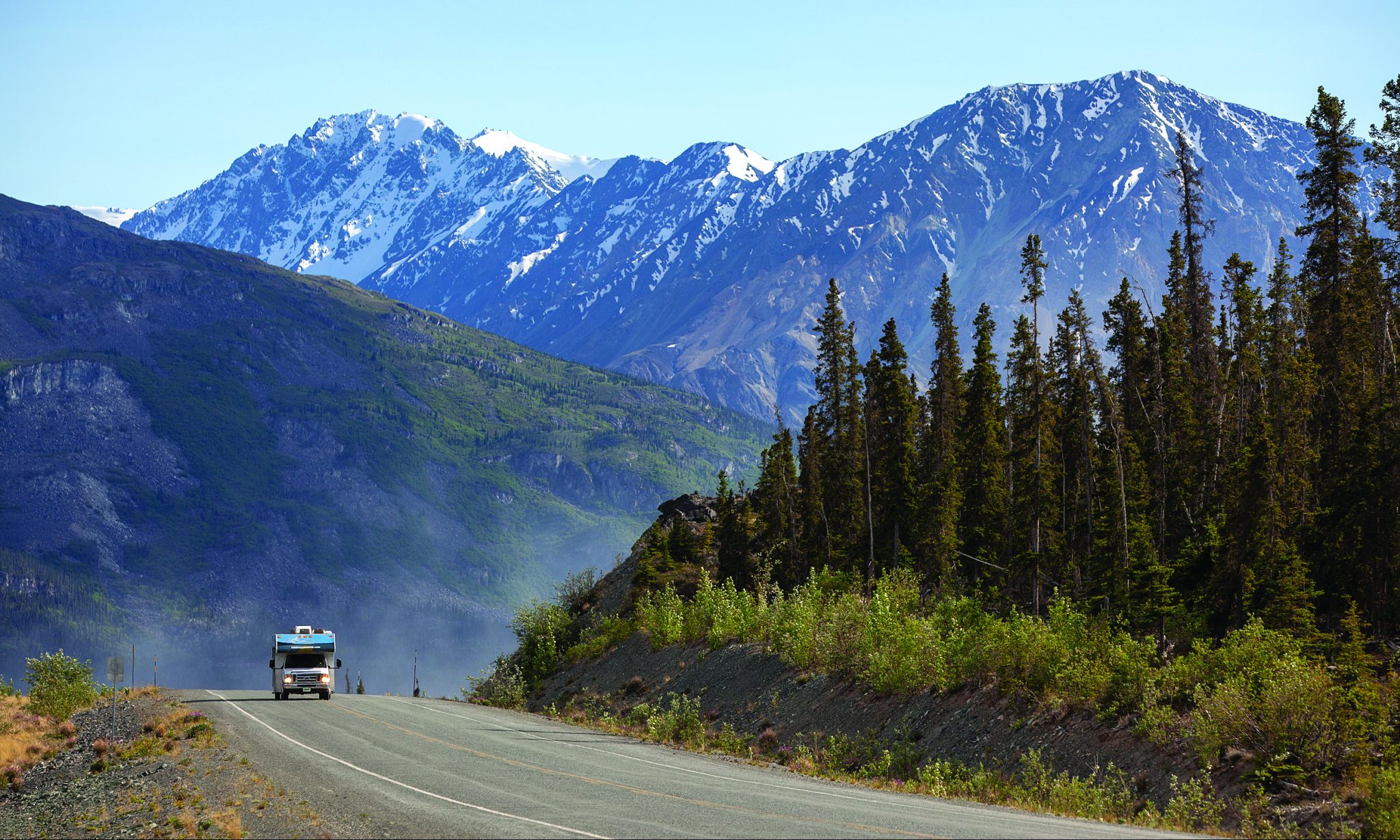
You can stitch together dozens of minor variations, but almost every driving plan uses one or both of the two main routes in western Canada.
1. The Alaska Highway (Alcan)
This is the classic way to drive to Alaska and the route most first-time drivers pick.
- Starts at Dawson Creek, British Columbia (Mile 0).
- Ends near Delta Junction, Alaska.
- Length is ≈1,382–1,387 miles,reroutes shortened it from the original 1,422.
- Surface is paved or chip-sealed, with some rough patches and construction zones.
Along the way, you pass through northern BC and the Yukon, past hot springs, big mountain lakes, and long stretches of forest.
Services are not as dense as on an interstate, but you will find gas, motels, lodges, and campgrounds at sensible intervals, especially in summer.
Must-See Stop:Be sure to stop at Signpost Forest in Watson Lake, Yukonat Historic Mile 635. What started with a single homesick GI has grown into over 90,000 road signs, a truly unique road trip tradition.
Insider Tip: Buy a copy of "The Milepost." It is the bible of this trip, a mile-by-mile logbook updated annually that lists every gas station, turnout, and pothole. Don't drive north without it.
2. The Stewart-Cassiar Highway (BC-37)
The Stewart–Cassiar is a quieter, more remote highway that runs north through the mountains of northwestern British Columbia and joins the Alaska Highway closer to the Yukon.
Drivers often describe it like this:
- A bit shorter than taking the Alaska Highway from Dawson Creek for the entire distance.
- More dramatic scenery and less traffic.
- Fewer towns and gas stations, so fuel planning matters more.
Some people drive north on the Stewart-Cassiar and south on the Alaska Highway. Others do the reverse. Using one route each way turns the drive into a loop and cuts the sense of repetition.
Unique Detour:Consider the short detour at Meziadin Junction (Highway 37A) to visit the neighboring towns of Stewart, BC, and Hyder, Alaska. Hyder is known as "The Friendliest Ghost Town" and offers the Fish Creek Wildlife Observation Siteone of the most reliable places to view brown and black bears fishing for salmon.
3. Route Styles That Help You Think About The Trip
A helpful way to picture the wider journey is to think in three styles:
- A Rockies route, where you enjoy mountain parks in Alberta and British Columbia, then join the Alaska Highway.
- A Gold Rush route, following historic corridors through BC and the Yukon into interior Alaska.
- An Inside Passage route, where part of the journey is by road and part is on ferries in the coastal fjords.
These are not strict itineraries. They are mental models that help you decide what kind of scenery and towns you want to prioritize as you connect from your home state to the main northern highways.
Border Documents And Rules You Must Get Right
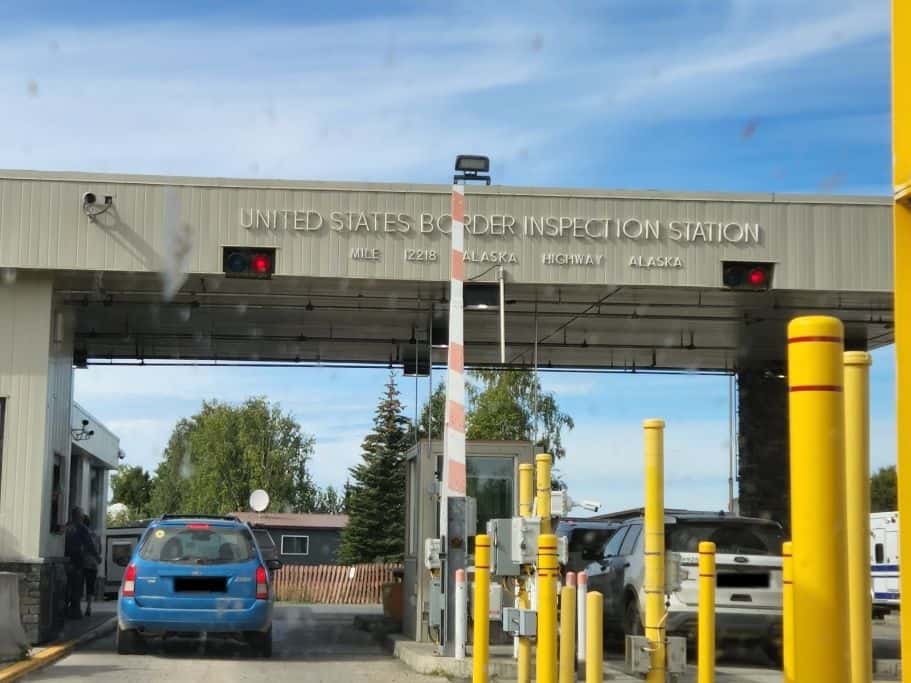
Because you cross an international border twice, paperwork is just as important as maps and fuel.
ID And Immigration Basics
For most U.S. citizens, the process is straightforward, but it requires specific identification that adheres to the Western Hemisphere Travel Initiative (WHTI) rules for land borders.
- Primary ID:U.S. citizens need a U.S. Passport Book (the most universally accepted option), a Passport Card, or an Enhanced Driver’s License (EDL). A standard driver's license alone or a simple REAL ID is not sufficient for re-entering the U.S. by land.
- Non-U.S. Citizens: Citizens of other countries must carry a valid passport and should check well in advance for any required visas or Electronic Travel Authorizations (eTAs) for both Canada and the USA.
- Criminal History (Crucial Check):If you have any past criminal conviction, including a seemingly minor one like an older DUI or DWI, it can render you criminally inadmissible to Canada. You risk being denied entry at the border. Action Plan:If you have a conviction, you must research applying for a Temporary Resident Permit (TRP) or Criminal Rehabilitation monthsbefore your trip. Do not wait until you reach the border booth.
Required Documents For Your Vehicle
At the border, you should be ready to show:
- Your driver’s licence.
- Vehicle registration, or your rental agreement if it is a rental.
- Proof of insurance that clearly covers you while driving in Canada.
Many American insurance policies automatically extend to Canada, but it is worth getting written confirmation. If you are renting, you must confirm that the rental company allows the vehicle into Canada and onto northern highways.
Travelling With Children
If you are travelling with children and one parent or legal guardian is not present, border officers can ask for a signed consent letter from the absent parent or guardian.
This is not always requested, but when it is and you do not have it, the conversation becomes difficult fast.
Pets, Firearms, Cannabis And Medication
These four topics cause more trouble at the border than almost anything else.
- Pets:Dogs and cats usually need proof of current rabies vaccination. A basic health certificate from your vet is a good idea in case officers ask for it.
- Firearms:Canada has much stricter firearm rules than the USA, especially for handguns. If you absolutely must travel with a firearm, you need to read the official non-resident firearm rules in detail and declare it honestly at the border.
- Cannabis and THC products:Crossing the border with cannabis, THC gummies, CBD oils and similar items is illegal, even if they were purchased legally in a state or province. The safest rule is simply not to carry them.
- Prescription medication:Keep medication in its original containers with your name on it and only take reasonable personal quantities. For stronger controlled medications, a short letter from your doctor can prevent confusion.
- Dogs:As of Aug 1, 2024, dogs entering the U.S. must be ≥ 6 months old, microchipped, appear healthy, and have a CDC Dog Import Form; rabies documentation varies by where the dog has been. Check CDC before travel.
If any item in your car makes you think, “I wonder if this is allowed,” that is your cue to check official guidance before you roll up to the booth.
Seasonal Highway Rules
Finally, be aware of specific rules related to weather:
- Winter Tires/Chains:British Columbia requires proper winter tires (labeled with a 3-peak mountain snowflake symbol or M+S) or chains on many of its highways (including routes leading to the Alcan/Cassiar) from October 1 to April 30.
- Studded Tires:Alaska prohibits the use of studded tires during the summer months (dates vary by latitude, generally late April to mid-September). Ensure you remove them before arriving in Alaska if you used them to travel through Canada's winter season.
Best Time Of Year To Drive To Alaska
Prime Season: Late Spring To Early Fall
For most travellers, the best time to drive to Alaska is from late May through early or mid-September.
During this window:
- Snow and ice are mostly gone from the main highways.
- Campgrounds, motels, and lodges along the route are open.
- Daylight hours are long, especially in June and July.
- Road maintenance is in full swing, so you may encounter construction, but overall conditions are good.
Early June and early September can be especially nice. You often get fewer crowds and slightly lower prices compared with peak summer, while still enjoying reasonable weather and open services.
Shoulder Seasons And Winter Driving
The Alaska Highway is open all year and is a vital freight route, so winter driving is technically possible. That does not mean it is a good idea for everyone.
In late fall, winter and early spring, you will face:
- Short daylight, low sun angles and more driving in the dark.
- Snow, ice, and rapidly changing weather.
- Higher risk from wildlife on dark roads.
- Some seasonal businesses closed, and reduced hours at others.
- BC requires winter tires or chains on most highways Oct 1–Apr 30; Alaska prohibits studded tires in summer.
Parts of British Columbia require winter tyres on many highways in the cold months, and some northern regions strongly recommend studded tyres or chains when conditions are bad.
If you are not already comfortable with long-distance winter driving on two-lane roads, it is almost always wiser to plan your Alaska drive for summer.
For More Details: The Best Time To Visit Alaska
Is Driving To Alaska A Good Idea And Is It Safe?
What The Roads Are Really Like
On paper, the Alaska Highway and the Stewart–Cassiar are just two-lane paved highways. In practice, they have a personality of their own.
Expect:
- Long stretches of pavement or chip seal with moderate traffic.
- Rough sections with frost heaves and potholes.
- Road works that reduce traffic to one lane or temporarily switch to gravel.
- Sections with no shoulder and limited passing opportunities.
The roads are built for normal vehicles, not special expedition trucks. The challenge is not technical driving so much as staying alert, pacing yourself, and respecting the conditions.
Road Conditions & Cams:Alaska 511, Yukon 511, DriveBC (live closures, cameras, construction). Check each morning before you roll.
The Real Risks
The biggest risks people run into on the drive to Alaska tend to be:
- Fatigue. A string of seven or eight-hour driving days, day after day, will catch up with you if you do not build in rest and variety.
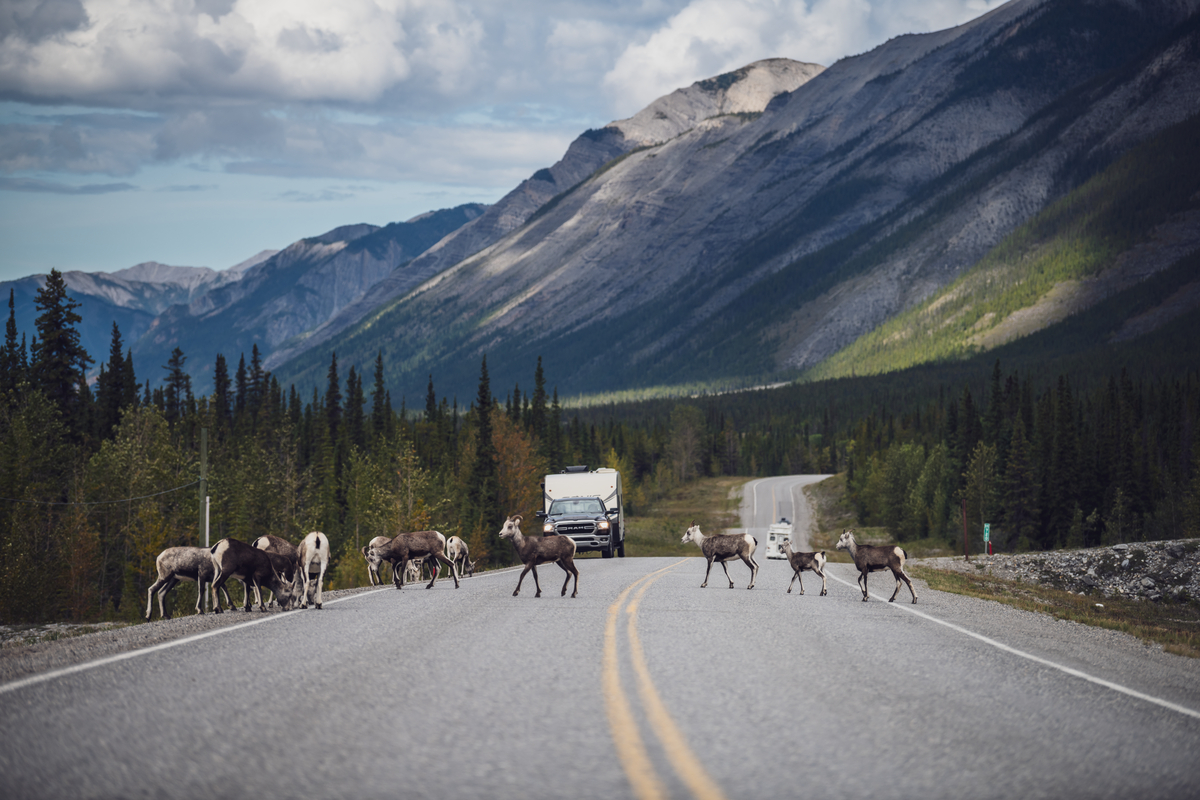
- Wildlife on the road. Moose, bison, deer, and bears are all seen along these highways. They can appear out of nowhere, especially at dawn and dusk.
- Weather swings. Heavy rain, sudden cold snaps or early snow can slow you down or force changes to your plan.
- Breakdowns far from services. A basic mechanical issue is a headache in town. On a quiet stretch with no cell coverage, it can turn into a serious delay.
What you do not see in trip reports is any pattern of crime on the main highways. The risk profile is mostly about nature and distance, not about other people.
A Quick Self-Check Before You Commit
Driving to Alaska is probably a good idea for you if:
- You like long drives and quiet two-lane roads.
- You are comfortable being offline for a while.
- You can take at least two or three weeks off for a round trip from most parts of the USA.
- You enjoy planning and see the journey itself as part of the reward.
Driving might not be the right move right now if:
- You dislike driving or get tense on rural highways.
- You are squeezed for vacation days and mainly want time inside Alaska, not on the way there.
- You are travelling with health needs or mobility issues that would be hard to manage far from big hospitals.
In those cases, flying in or combining a shorter drive with the ferry system often gives a better balance of stress and reward.
The True Cost Of Driving To Alaska
The cost of this expedition varies widely: $1,000–$1,500 for a budget round-trip (camping/cooking) to over $5,000 for a luxury trip (hotels/restaurants). Focus your budget on the three main expenses: Fuel, Lodging, and the essential Buffer.
- Fuel:Your Biggest Expense. Prices are higher in remote BC/Yukon (often ≈$1.70 CAD/Litre in remote areas). Use a trip calculator (like GasBuddy) with your vehicle's true MPG for the most accurate figure. Budget $1,200 to $2,500 for a round trip.
- Accommodation:Book Ahead for peak season (July/August). A basic campground spot is ≈$20-$40 USD/night. Remote motels/lodges often run $150–$250+ USD/night.The BufferAdd 15–25% extra to your calculated fuel and lodging costs. This covers construction delays, bad weather forcing an unplanned overnight, or minor repairs.
- Maintenance: Budget for potential road damage. Stone chips and punctures are common. Anticipate costs for windshield repair (≈$400) or tire repair ($50–$150).
- Food & Dining: Groceries and meals are expensive up north. Cooking your own meals from a well-stocked cooler is the easiest and most effective way to save hundreds of dollars.
- Ferry (Optional): If using the Alaska Marine Highway System (AMHS), the cost is significant (often thousands for car + passengers). Price this directly on the official AMHS fare tool, as it's not a budget-friendly option.
How Long It Takes To Drive To Alaska From Different States
Exact timing depends on your route, daily pace and how much you stop to explore, but it helps to think in ranges.
Here is a simple way to estimate your own timeline:
- Decide how many hours you are comfortable driving per day.
- Assume an average speed of about 50 miles per hour on the northern portions, to allow for slower sections.
- Add 15 to 25 percent extra time for construction, photos, meals and surprise stops.
Then plug those numbers into your total distance.
From Washington State And The Pacific Northwest
If you start near Seattle or similar:
- Allow around five to ten days one way.
- Quicker trips cram in long driving days with few detours.
- More relaxed trips break the Alaska Highway into shorter segments with time for hot springs, hikes, and side trips.
From California
If you start in Northern California, you’ll spend a few days just getting into British Columbia, then follow a similar timeline to someone from Washington.
From Southern California, the northbound drive is longer again. For most people:
- A rushed trip is still around a week of long driving days.
- A comfortable trip often stretches to 10 days or more one way.
From Texas And The Central USA
From cities like Dallas, Denver, Kansas City, or Chicago, think in terms of:
- Seven to twelve days one way, depending on how direct your route is and how often you stop.
- You will spend a lot of that time crossing the Plains or central Canada before you even reach the Rockies and the start of the Alaska Highway.
From New York And The Eastern USA
From New York, Boston, or other East Coast cities, the Alaska drive is essentially:
- A full cross-continent road trip across the USA or southern Canada.
- Plus, the long northern section through BC and the Yukon into Alaska.
It is realistic to plan 10 to 16 days one way, depending on your pace. Many people break the trip into two chapters in their mind: “East to West” and then “North to Alaska”.
Car, Gear + Tips - Alaskan Road Trip #1 - The Pan-American Dream
Vehicle, Gear And Tech For An Alaska Road Trip
What Kind Of Vehicle Works
You do not need a heavily modified four-wheel-drive vehicle to reach Alaska.
In summer:
- Any well-maintained car can make the trip.
- Extra ground clearance is useful but not essential.
- All-wheel-drive or four-wheel-drive helps if you hit bad weather or venture onto rougher side roads, but it is not mandatory on the main highways.
What matters much more is how healthy your car is. Before you leave, get a real service done, not just a quick oil change. Think about:
- Tyres with plenty of life left.
- Brakes and suspension are in good condition.
- Cooling and heating systems that work properly.
- A solid spare tyre, jack, and basic tool kit.
If you are travelling in an RV or towing a trailer, pay extra attention to brakes, tyre pressure, weight distribution, and how your rig behaves on long descents.
A Realistic Packing List
You can find very long gear lists online. In practice, almost everyone benefits from a focused set of basics:
- Offline maps on your phone plus a paper atlas.
- A detailed highway log or road guide.
- First-aid kit, jumper cables, tyre repair kit, and inflator.
- Warm clothing and blankets, even in summer.
- A bright headlamp or flashlight and spare batteries.
- A cooler, a water container, and enough snacks to bridge between towns.
- Insect repellent and sunscreen.
In winter or shoulder seasons, add:
- Winter or studded tyres where required.
- A shovel and traction aids.
- Extra food, water, and warm layers if you are delayed by a storm.
Tech And Staying Informed On The Road
The farther north you go, the more often your phone will show no signal. That is normal.
It helps to:
- Download maps for offline use before you leave.
- Check official road condition sites in Alaska, the Yukon, and British Columbia each morning before you drive.
- Consider a satellite messenger if you are travelling solo or outside peak season and want the reassurance of being able to send short messages or call for help without cell service.
Technology is not a substitute for common sense, but it can give you warnings and safety margins that people did not have a couple of decades ago.
Sample Itineraries For Driving To Alaska
Think of these as starting points. You can stretch or compress them to suit your own pace.
Fast But Manageable: About Six Days From The Pacific Northwest
This kind of plan suits somebody who is moving, relocating for work or mainly wants to get the car to Alaska.
A rough outline might look like:
- Day 1–2:Washington State into interior British Columbia, reaching Prince George.
- Day 3:Prince George to Dawson Creek, then on to Fort Nelson.
- Day 4:Fort Nelson to the hot springs and mountain lakes area.
- Day 5:Onward to Watson Lake and the Yukon.
- Day 6:Across the Yukon to Tok, then down to Anchorage or up to Fairbanks.
Many people add a seventh buffer day to account for weather, construction or simply being tired.
Balanced One-Way Trip: Eight To Ten Days From The West Coast
If you want some real sightseeing along the way, stretch the same route to eight or ten days and build in time stops like:
- A half-day at Liard River Hot Springs.
- Hikes or scenic stops near Muncho Lake and along mountain passes.
- An evening to enjoy Whitehorse.
- A stop at viewpoints near Kluane Lake.
The idea is to keep daily driving hours shorter, mix in walks, and give yourself a chance to actually feel the places you are passing through.
Scenic Loop: One Route North, Another South
One popular idea is to:
- Drive north on the Stewart–Cassiar Highway, which feels wild and remote.
- Drive south on the full Alaska Highway from Alaska back to Dawson Creek.
This gives you different scenery in each direction and lets you sample both of the main northern routes in a single trip. With about two weeks, you can also add days inside Alaska itself, for example, visiting Denali, the Kenai Peninsula, or coastal towns that are accessible by road.
Responsible Travel On The Alaska Highway And Cassiar
Wildlife
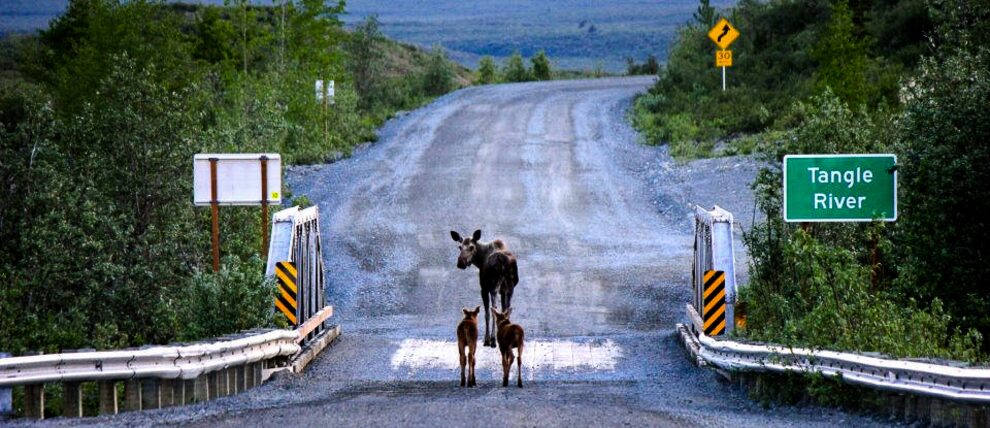
You will almost certainly see wildlife on this journey. That is part of the magic, but it also means taking care.
Simple rules go a long way:
- Slow down immediately if you see animals near the road.
- Avoid sharp swerves that could put you in the path of oncoming traffic.
- Stay in your vehicle when watching large animals like moose or bison.
- Never feed wild animals. It changes their behaviour and endangers both them and future drivers.
Communities And Indigenous Lands
Much of northern British Columbia, the Yukon, and Alaska is Indigenous land, and many small communities along the road depend on both the highway and on visitors treating them with respect.
That looks like:
- Using pullouts, not random driveways, for photo stops.
- Supporting local shops, restaurants, and cultural centres.
- Respecting signs about private property, sacred places, and photography.
Leave No Trace From A Car
On long trips, it is easy to accidentally leave a trail of small impacts behind you.
You can reduce that by:
- Pack out all your trash, even in remote rest areas.
- Using established campsites instead of creating new fire rings or clearings.
- Keeping fires small and compliant with local fire rules.
The Alaska Highway and its neighbours are popular precisely because they still feel wild. A bit of care helps keep them that way.
People Also Ask
Can I Go To Alaska With My Own Car?
Yes. In summer, many people drive their own cars, trucks, vans, and RVs up the Alaska Highway or the Stewart–Cassiar. The roads are built for normal vehicles, as long as they are in good condition and you respect the conditions.
Is Driving To Alaska A Good Idea?
It can be a fantastic idea if you enjoy the journey as much as the destination, have enough time, and are willing to do some planning. If you mainly want to maximise your time exploring inside Alaska and do not enjoy long drives, flying in and renting a vehicle may be a better fit.
Are U.S. Citizens Allowed To Drive To Alaska Through Canada?
They are, as long as they carry the correct identification for land borders and meet Canadian entry rules. That usually means a passport book or other approved ID, plus vehicle documents and insurance, and no issues that would make them inadmissible.
Can You Reach Alaska By Road Without Going Through Canada?
Not on a pure land route. To drive all the way, you must cross into Canada. If you need to avoid driving through Canada, you can either fly into Alaska and rent or use the state ferry system to move your vehicle as a passenger.
Is There Any Road From Russia To Alaska?
No. There is no road, bridge or tunnel between Russia and Alaska. The Bering Strait remains a gap in the road network.
Do I Need A Four-Wheel-Drive Vehicle?
For a summer trip on the Alaska Highway and similar main routes, you do not. A reliable, well-maintained car is usually enough. Four-wheel-drive or all-wheel-drive becomes more useful in winter, and if you venture onto unpaved side roads.
How Many Gas Stations And Services Are There?
You will not find the service density of busy interstates, but you are also not crossing a complete void. In populated sections, services can be fairly frequent. In more remote stretches, gas and food can be more than 100 miles apart.
Is It Safe To Drive To Alaska Alone?
Many solo travellers drive to Alaska every year. The key is to keep to the main routes in the beginning, share your plan with someone at home, carry an emergency kit, and be conservative with driving hours.
Is Driving To Alaska Cheaper Than Flying?
For a solo traveller or couple on a short schedule, flying and renting can be surprisingly competitive. For a family or someone moving with a lot of gear, driving often makes more sense.
Conclusion
You absolutely can drive to Alaska. The main highways are paved, the journey is well known, and services are there if you plan with your eyes open. The bigger question is whether you should.
If the idea of a long, remote road trip excites you, if you have time to do it without rushing, and if you are ready to get your paperwork and vehicle in order, then the drive to Alaska can easily become one of those trips you talk about for the rest of your life.
Hopefully, you now have enough detail to make a decision that fits your budget, your time, and your appetite for adventure.
Jump to
Drive To Alaska: How Long It Takes
Key Takeaways About Driving To Alaska
What People Really Mean When They Ask “Can You Drive To Alaska?”
You Can Drive To Alaska – Here’s How It Actually Works
Main Road Routes To Alaska Through Canada
Border Documents And Rules You Must Get Right
Best Time Of Year To Drive To Alaska
Is Driving To Alaska A Good Idea And Is It Safe?
The True Cost Of Driving To Alaska
How Long It Takes To Drive To Alaska From Different States
Vehicle, Gear And Tech For An Alaska Road Trip
Sample Itineraries For Driving To Alaska
Responsible Travel On The Alaska Highway And Cassiar
People Also Ask
Conclusion
Latest Articles
Popular Articles