Things To Do In Alaska In July - Activities And Attractions To Experience
The blend of mild weather and prolonged daylight in July is pivotal in offering tourists an immersive experience in Alaska's splendour, making it the best time to engage in many activities and attractions across the state.
Oct 25, 202522.2K Shares968.7K Views
Making The Most Of Your Alaska July Adventure
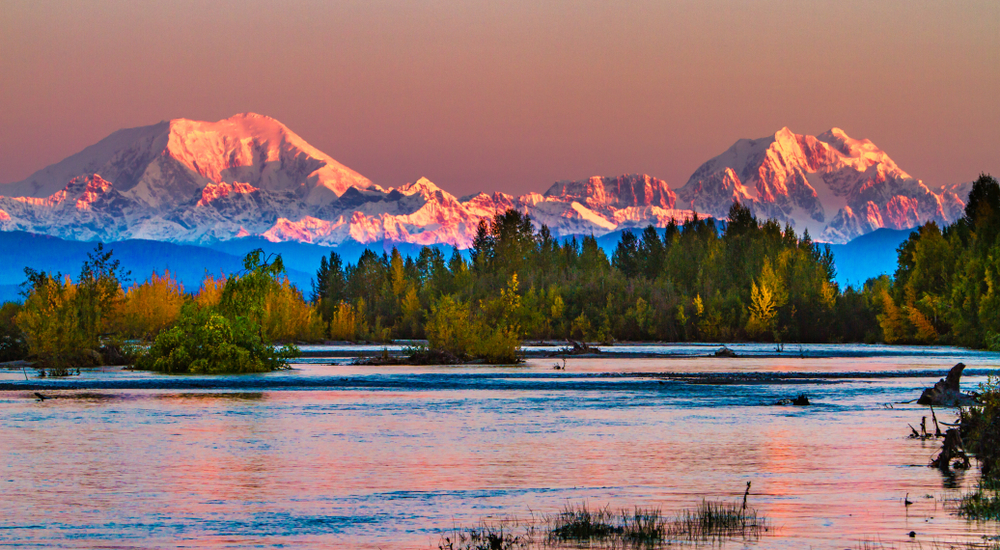
Alaska in July represents the pinnacle of Last Frontier experiences. The state transforms into an accessible wilderness playground where towering glaciers meet salmon-rich rivers, massive brown bears roam freely, and the midnight sun creates nearly 20 hours of daylight for endless adventures.
July marks Alaska's peak season for good reason. The weather reaches its most cooperative phase, wildlife activity peaks across the state, and remote locations become accessible that remain off-limits during other months. This creates a perfect storm of opportunity for travelers seeking authentic Alaskan experiences.
July offers experiences you simply cannot find anywhere else on Earth. The key lies in understanding when, where, and how to access these opportunities while navigating the challenges that come with Alaska's most popular travel month.
Why July Is Alaska's Golden Month For Adventure
Perfect Weather Windows For Outdoor Activities
July delivers Alaska's most reliable weather patterns, with average temperatures ranging from 60-70°F in coastal areas and up to 75°F in interior regions. This creates ideal conditions for the vast landscapes and guided hiking, backcountry camping, glacier trekking, and biking trips that define the Alaska experience.
Rain remains a possibility, but July sees significantly fewer storms than other months. The stable weather patterns create extended windows for activities like flightseeing, where visibility determines success. Many tour operators report their highest success rates during July expeditions.
The comfortable temperatures also mean you can layer effectively without the extreme gear requirements of shoulder seasons. This makes backcountry exploration more accessible for travelers who might otherwise struggle with Alaska's harsh conditions.
Peak Wildlife Activity And Viewing Opportunities
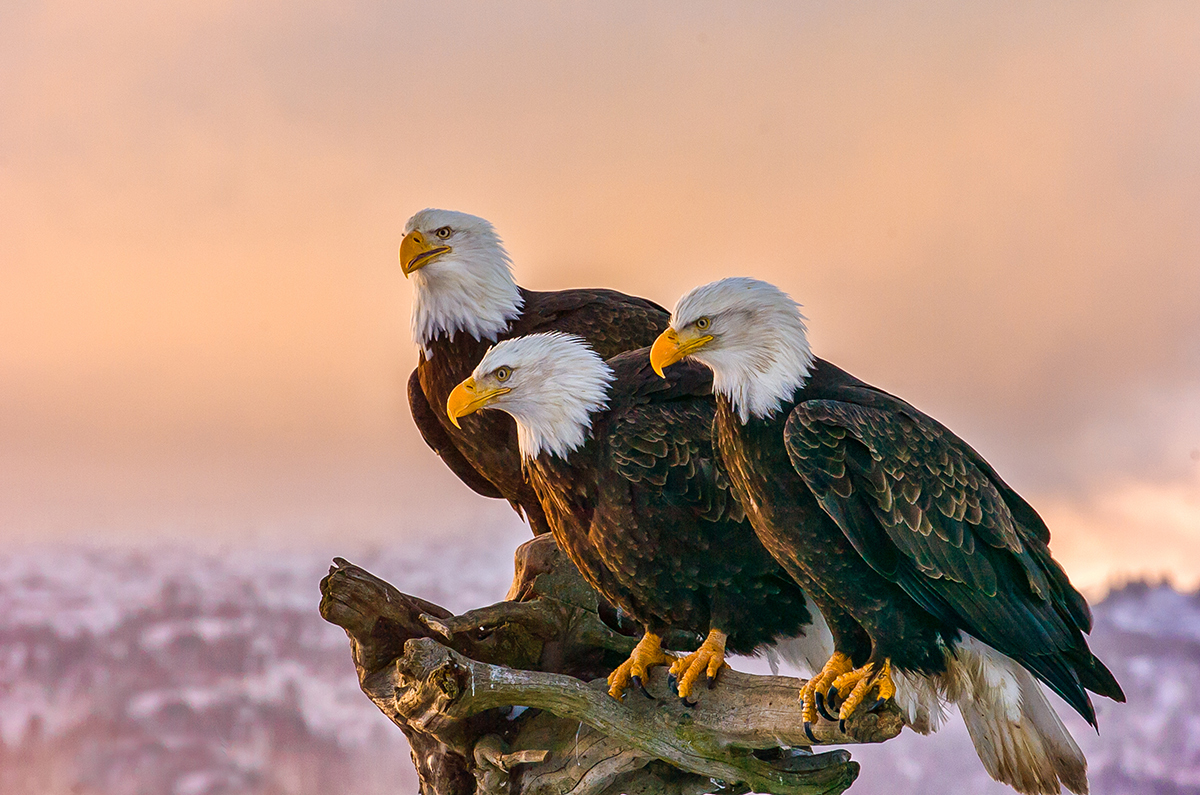
July coincides with Alaska's wildlife calendarin remarkable ways. Brown bears congregate at salmon streams during peak runs, creating world-class viewing opportunities. Marine mammals like whales, seals, and sea otters reach peak activity levels as they take advantage of abundant summer food sources.
Bird populations explode during July as migratory species arrive for the breeding season. This creates exceptional opportunities for both casual observers and serious birders. Puffins, bald eagles, and countless seabirds can be observed in massive numbers.
The extended daylight hours mean animals remain active throughout what would traditionally be evening hours. This doubles your chances of meaningful wildlife encounters compared to destinations with standard daylight patterns.
Maximum Daylight Hours And The Midnight Sun Phenomenon
Alaska's midnight sun phenomenon reaches its peak in July, providing up to 19 hours and 21 minutes of daylight in Anchorage, and continuous daylight north of the Arctic Circle. This creates unprecedented opportunities for extended adventures without the constraints of darkness.
The extended light allows for multiple activities in a single day. You might start with early morning fishing, transition to afternoon glacier tours, and finish with late evening wildlife viewing, all under natural light.
The midnight sun also creates unique photographic opportunities. The golden hour lighting that photographers cherish lasts for hours, creating dramatic landscapes and wildlife shots that are impossible to capture elsewhere.
Must-Experience Wildlife Encounters In July
Brown Bear And Grizzly Viewing Hotspots
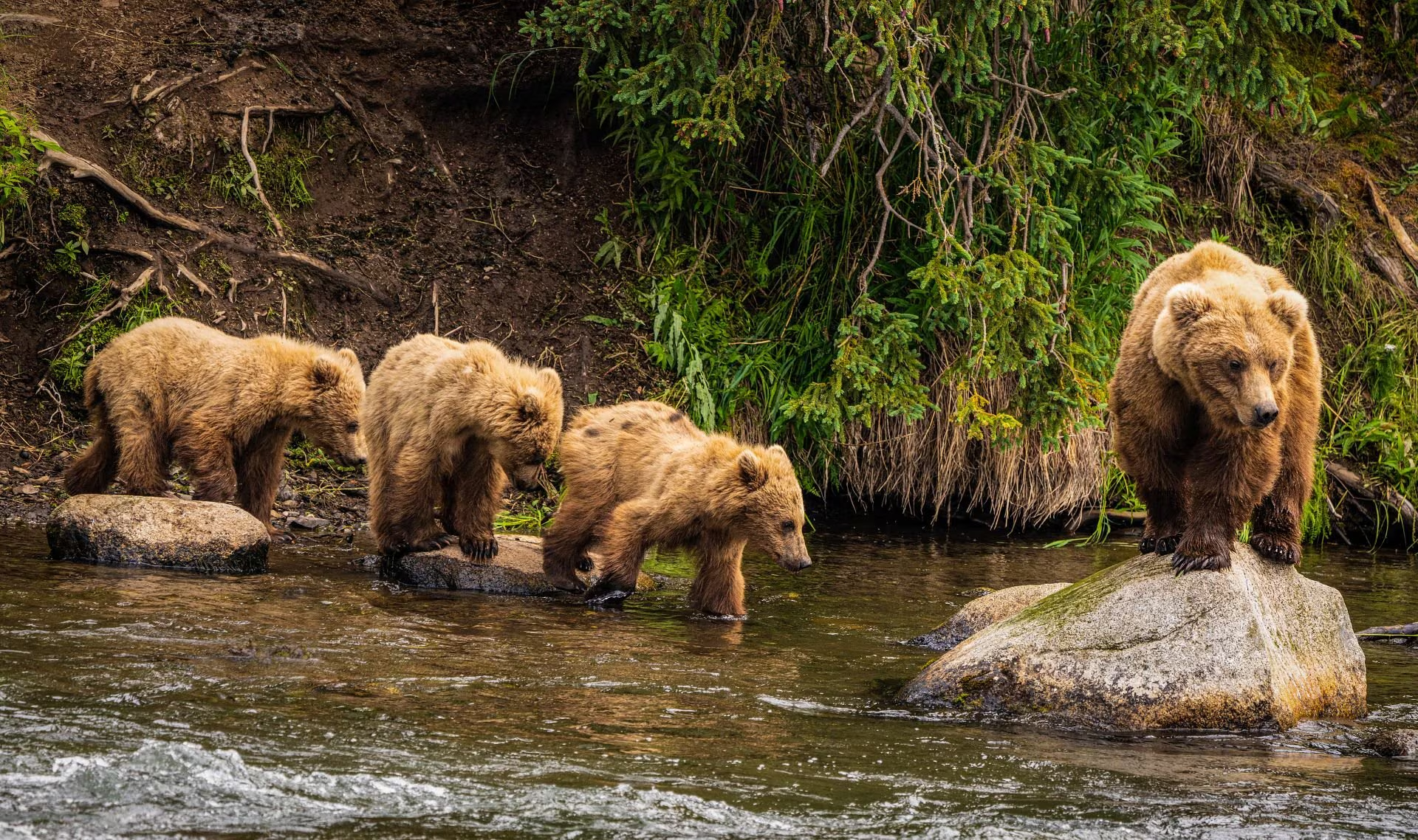
July represents the absolute peak for Alaska brown bear viewing as salmon runs bring these magnificent animals to predictable locations. Brooks Falls in Katmai National Park becomes a theater of nature as massive bears position themselves at prime fishing spots along the waterfall.
The technique for successful bear viewing requires understanding their behavior patterns. Early morning and late evening sessions typically produce the most activity, as bears prefer fishing during cooler parts of the day. The midnight sun advantage means "late evening" can extend until 10 PM while maintaining excellent visibility.
Lesser-known viewing locations like the Russian River and Copper River offer more intimate experiences with fewer crowds. These spots require more planning but reward visitors with closer encounters and better photographic opportunities.
Safety protocols become critical during peak bear season. Always maintain 100-yard distances, travel in groups, and make noise while hiking. Many viewing areas provide elevated platforms that ensure safe observation while maximizing visibility.
Marine Wildlife: Whales, Seals, And Sea Otters
Alaska's coastal waters in July teem with marine life taking advantage of peak food availability. Humpback whales, orcas, and gray whales converge on feeding grounds where krill and small fish concentrate. Whale watching success rates exceed 90% during July in prime locations like Prince William Sound and Kenai Fjords.
Harbor seals and Steller sea lions gather in large colonies during pupping season. These aggregations create spectacular viewing opportunities, especially in areas like Glacier Bay, where wildlife combines with stunning glacial scenery.
Sea otters reach peak visibility in July as they take advantage of abundant seafood. Their playful behavior and tool use provide endless entertainment for observers. The calm weather conditions typical of July make boat-based marine wildlife tours more comfortable and successful.
The key to marine wildlife success lies in timing your trips with tidal movements and weather patterns. Early morning tours often provide calmer seas and more active wildlife behavior.
Bird Watching During Peak Nesting Season
July marks the height of Alaska's bird-watching season as both resident and migratory species reach peak activity levels. The Pribilof Islands become an ornithologist's paradise with massive seabird colonies including puffins, murres, and auklets.
Bald eagles concentrate around salmon streams, creating opportunities to observe their fishing techniques and territorial behaviors. The abundance of food sources means eagles remain highly active throughout the day rather than conserving energy.
Shorebird diversity peaks in July as Arctic nesting species settle into breeding territories. Areas like the Copper River Delta host millions of migrating shorebirds, creating one of North America's premier birding spectacles.
The extended daylight hours allow for bird watchingthat extends well into traditional evening hours. Many species remain active under the midnight sun conditions, providing opportunities impossible in lower latitudes.
Glacier Adventures And Ice Experiences
Glacier Bay National Park Expeditions
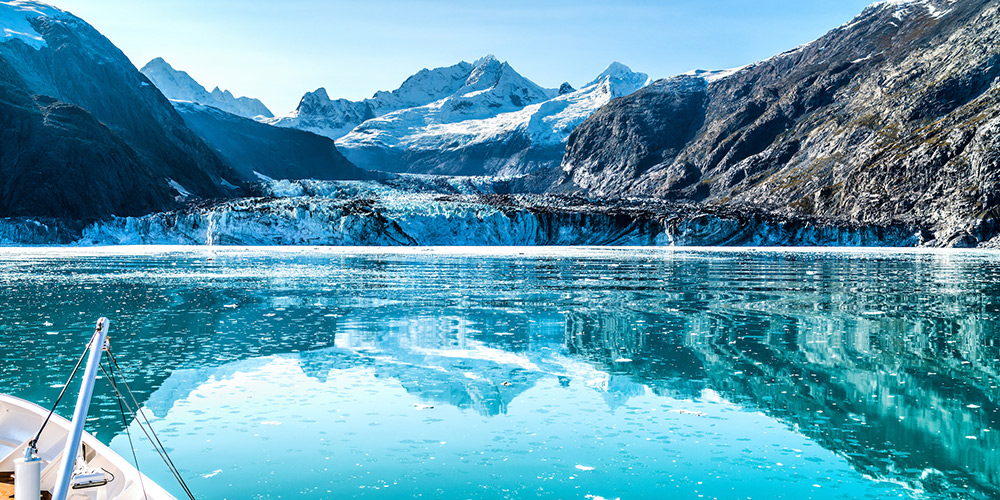
Glacier Bay National Park reaches peak accessibility in July, with stable weather patterns allowing deeper penetrations into the fjord system. Paddling in Kenai Fjords provides a once-in-a-lifetime experience observing the awe-inspiring power of tidewater glaciers while watching for marine mammals in food-rich waters.
The park's 16 tidewater glaciers become most active during July's warmer temperatures, increasing calving frequency. This creates more dramatic ice shows but also requires maintaining safe distances from glacier faces. The thunderous crack of calving ice, followed by massive splashes, creates unforgettable moments.
Small boat tours can navigate closer to glacier faces during July's calmer weather conditions. These intimate approaches allow observation of glacier colors, textures, and the unique ecosystem that develops around ice edges.
Kayaking among the ice provides the most immersive glacier experience. The silence between your paddle strokes allows you to hear the glacier "talking" through creaks, groans, and sharp cracks as the ice moves and adjusts.
Prince William Sound Glacier Tours
Prince William Sound offers Alaska's most accessible glacier experiences with day tours departing from Whittier and Valdez. The sound contains 26 glaciers, many visible from tour boats that can approach safely during July's stable weather patterns.
Columbia Glacier, one of Alaska's largest tidewater glaciers, becomes particularly active in July. The increased calving creates dramatic ice shows while also contributing to some of the world's most spectacular icebergs. Tour boats weave between house-sized ice chunks, creating surreal landscapes.
The sound's protected waters mean tours operate successfully even when coastal weather proves challenging. This reliability makes Prince William Sound ideal for travelers with limited flexibility in their schedules.
Wildlife viewing combines seamlessly with glacier experiences in the sound. Sea otters often rest on icebergs, seals use ice floes as hauling grounds, and whales feed in the nutrient-rich waters created by glacial runoff.
Helicopter And Flightseeing Tours
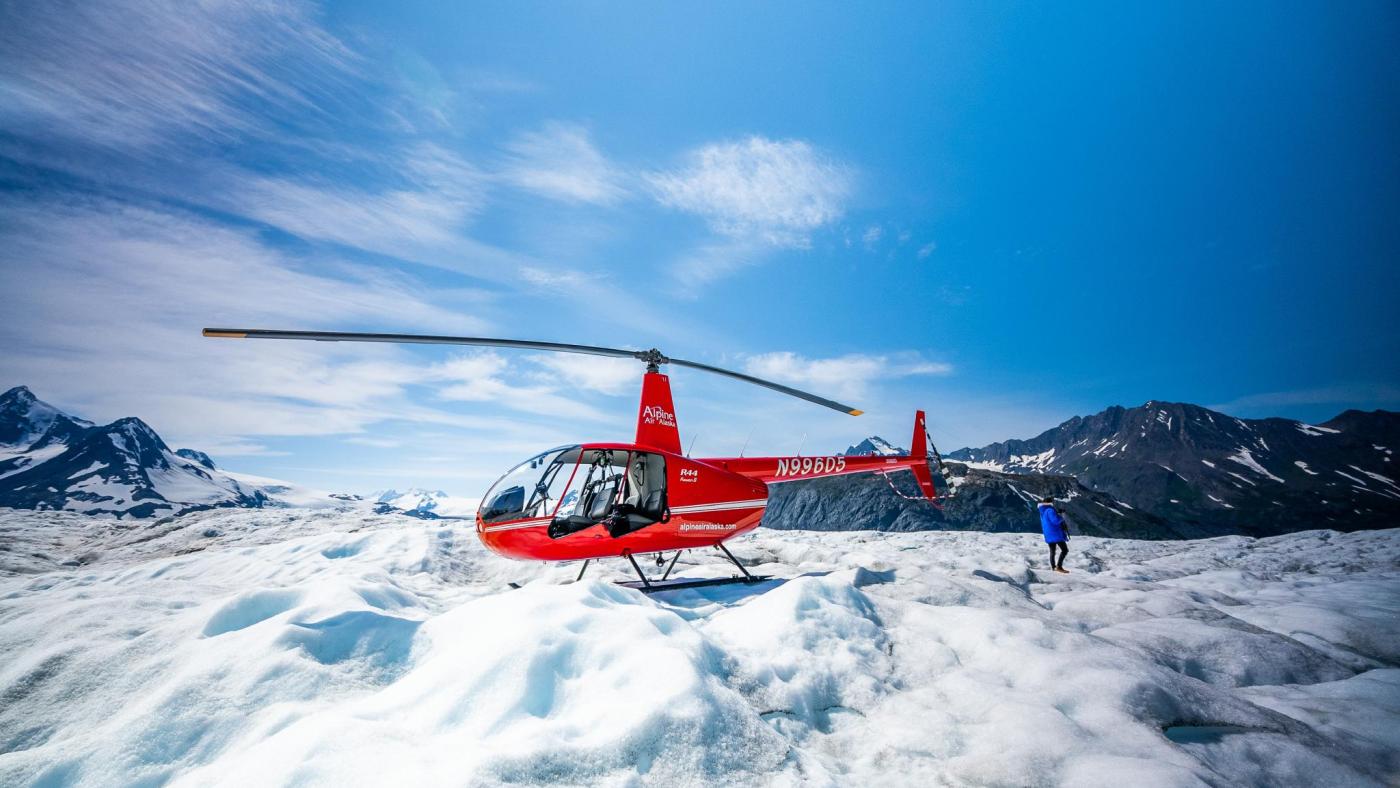
July's clear weather patterns create ideal conditions for helicopter glacier tours that land on ice fields for walking experiences. These tours provide access to glacier features impossible to reach by boat, including crevasse fields, moulins, and pristine ice formations.
Flightseeing tours over places like the Juneau Icefield reveal the scope of Alaska's glacial systems from aerial perspectives. The contrast between white ice and blue crevasses creates dramatic photographic opportunities enhanced by July's excellent lighting conditions.
Landing tours allow you to walk on glaciers with crampons while guides explain ice formation, movement, and the ongoing changes caused by climate factors. These educational components add depth to the visual spectacle.
World-Class Fishing Opportunities
Peak Salmon Runs: Sockeye, King, And Silver
July delivers Alaska's most productive salmon fishing as multiple species reach peak run timing simultaneously. King salmon, the largest Pacific salmon species, reaches its peak in early to mid-July in many river systems. These fish, often exceeding 30 pounds, provide the ultimate Alaska fishing challenge.
Sockeye salmon runs explode in mid to late July, particularly in systems like the Russian River and Kenai River. The sheer numbers of fish create non-stop action for anglers using proper techniques. Sockeye's excellent eating quality makes them highly sought after by both sport and subsistence fishermen.
Silver salmon begin their runs in late July, extending fishing opportunities into August. These acrobatic fighters provide exceptional sport fishing experiences while being more accessible to novice anglers than the challenging king salmon.
The key to salmon fishing success lies in timing your trip with specific run peaks, which vary by river system and can shift based on water temperature and flow conditions.
Trophy Rainbow Trout And Dolly Varden
July marks peak feeding season for Alaska's rainbow trout as they gorge on salmon eggs and flesh from spawning runs. This abundant food source creates exceptional trophy fishing opportunities with fish reaching weights that dwarf their Lower 48 counterparts.
Dolly Varden char become particularly aggressive in July as they follow salmon runs to capitalize on the abundant food sources. These beautiful fish provide consistent action while serving as excellent table fare.
The Alaska Peninsula and Bristol Bay regions offer the world's premier trophy trout fishing during July. Remote lodges provide access to pristine waters where 24-inch rainbows become commonplace rather than exceptional.
Fly fishing techniques prove most effective during July's stable weather patterns. The extended daylight hours allow for fishing sessions that extend well into traditional evening hours when fish often become more active.
Best Fishing Locations And Charter Options
The Kenai River system provides Alaska's most accessible world-class fishing, with charter services operating from Soldotna and Kenai. King salmon runs peak in mid-July, while sockeye runs follow closely behind. The river's road access makes it ideal for independent travelers.
Homer offers exceptional halibut charter fishing opportunities during July's calm weather patterns. These "barn door" sized flatfish provide both sporting challenges and excellent eating. Many charter operators guarantee catch success or provide trip credits.
Remote fly-in fishing locations become accessible during July's weather windows. Services from Anchorage and Fairbanks provide access to pristine waters where fishing pressure remains minimal and fish sizes reflect natural conditions.
Charter selection requires considering experience levels, target species, and comfort preferences. Full-day trips provide the best value and highest success rates for serious anglers.
National Parks And Wilderness Exploration
Denali National Park Summer Access
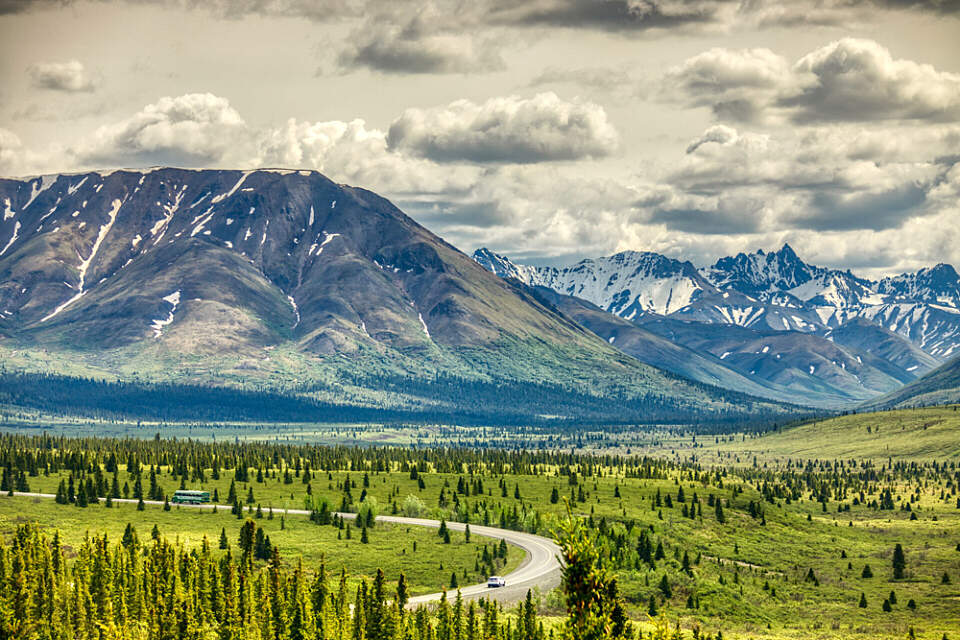
July provides Denali National Park's most accessible conditions, with the park road typically open to its farthest public access point. The park offers must-see attractions and experiences, from bear viewing to flightseeing Denali (Mt. McKinley), taking advantage of July's clearest weather patterns.
The park's wildlife viewing opportunities peak in July as animals take advantage of the brief growing season. Grizzly bears, caribou, wolves, and Dall sheep become more visible as they range across the tundra in search of food sources.
Backcountry hiking reaches optimal conditions in July as stream crossings become more manageable and weather patterns stabilize. The lack of designated trails means navigation skills become essential, but the rewards include solitude and pristine wilderness experiences.
Mount McKinley (Denali) visibility reaches its peak probability during July's clearer weather patterns. The mountain creates its own weather system, but July offers the highest chances for unobstructed views of North America's tallest peak.
Kenai Fjords National Park Adventures
Kenai Fjords National Park becomes fully accessible during July as ice conditions retreat and weather patterns allow for deep fjord penetration. The park's combination of tidewater glaciers, abundant marine life, and dramatic coastal scenery creates comprehensive Alaska experiences.
Day cruises from Seward provide excellent access to the park's highlights, including Holgate Glacier, Aialik Glacier, and the Chiswell Islands seabird colonies. These tours consistently deliver wildlife sightings while showcasing some of Alaska's most spectacular coastal scenery.
Kayaking opportunities in the fjords require experience and proper equipment, but reward paddlers with intimate access to glacier faces and secluded coves. The protected waters of many fjords provide relatively safe conditions for experienced sea kayakers.
The park's hiking opportunities include the Harding Icefield Trail, which provides access to one of Alaska's largest ice fields. This challenging day hike rewards successful climbers with panoramic views across the icefield to surrounding peaks.
Wrangell-St. Elias And Remote Wilderness Areas
Wrangell-St. Elias National Park, America's largest national park, becomes accessible during July's road conditions. The park's remote locations and challenging access requirements reward adventurous travelers with solitude and pristine wilderness experiences.
The park contains 9 of North America's 16 highest peaks, creating dramatic mountain scenery unmatched elsewhere in the United States. Root and Kennicott Glaciers provide accessible glacier experiences without the crowds found in more popular parks.
Historic mining sites like Kennecott add cultural elements to wilderness experiences. These well-preserved facilities provide insights into Alaska's mining heritage while surrounded by spectacular mountain and glacier scenery.
Road conditions to McCarthy and other park access points require high-clearance vehicles and careful planning. The challenging access filters out casual visitors, preserving the park's wilderness character.
Adventure Activities For Thrill Seekers
White Water Rafting And Kayaking
July's snowmelt creates ideal conditions for white water rafting throughout Alaska. The Matanuska River offers class III-IV rapids within driving distance of Anchorage, making it accessible for day trips while providing serious white water challenges.
The Nenana River near Denali National Park provides rafting options ranging from gentle scenic floats to class IV+ canyon runs. The variety allows families and thrill seekers to find appropriate challenge levels while experiencing Alaska's river systems.
Sea kayaking opportunities expand dramatically in July as weather conditions stabilize and ice conditions retreat. Prince William Sound offers protected waters ideal for multi-day expeditions among glaciers, wildlife, and pristine coastlines.
River running requires understanding Alaska's unique challenges, including cold water temperatures, remote locations, and rapidly changing conditions. Professional guide services provide safety equipment and expertise essential for safe adventures.
Hiking And Backcountry Trekking
July opens Alaska's prime hiking season as snow retreats from lower elevations and weather patterns stabilize. The Chilkoot Trail, famous from gold rush history, becomes accessible for experienced backpackers willing to tackle its challenging terrain and creek crossings.
Day hiking options around Anchorage include Flattop Mountain and Powerline Pass, which provide accessible alpine experiences with spectacular views. These trails offer a taste of Alaska's backcountry without requiring extensive wilderness skills.
Backcountry trekking in areas like the Arctic National Wildlife Refuge becomes possible during July's weather windows. These expeditions require extensive planning, wilderness skills, and expensive logistics but provide unmatched wilderness experiences.
Trail conditions vary dramatically with weather and can change rapidly. Stream crossings that seem manageable in the morning can become dangerous by afternoon as glacial melt increases water levels throughout the day.
Summer Dog Sledding And Unique Experiences
Glacier dog sledding operations continue through July using snow fields on glaciers accessible by helicopter. These tours combine flightseeing with traditional Alaska transportation methods, creating unique experiences unavailable elsewhere.
Sled dog kennels throughout Alaska offer summer programs including cart rides, kennel tours, and interactions with racing dogs. These experiences provide insights into Alaska's state sport while supporting mushers during their off-season.
The Iditarod Trail Sled Dog Race headquarters in Wasilla provides educational experiences about Alaska's most famous sporting event. Interactive exhibits and film presentations bring the race to life for visitors.
Meeting sled dogs and their mushers provides personal connections to Alaska's cultural traditions. Many mushers eagerly share stories about racing, training, and life in rural Alaska, adding authentic cultural elements to wilderness adventures.
Cultural Experiences And Local Insights
Native Alaskan Culture And Heritage Sites
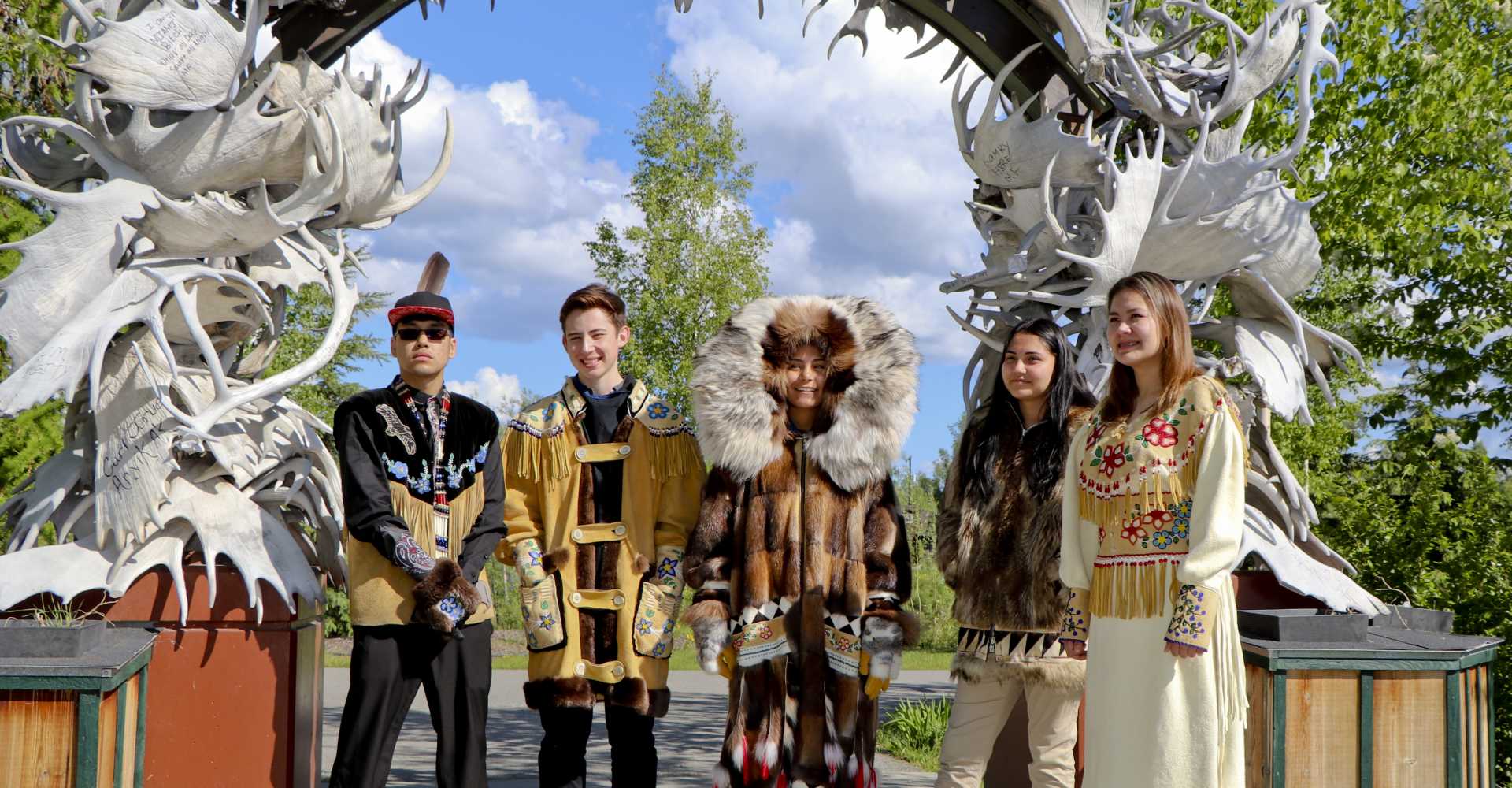
July provides optimal conditions for visiting Native Alaskan cultural sites and attending traditional events. The Alaska Native Heritage Center in Anchorage offers comprehensive introductions to Alaska's indigenous cultures through exhibits, demonstrations, and traditional structures.
Village visits in regions like the Aleutian Islands or Arctic communities become more accessible during July's weather conditions. These experiences provide authentic insights into subsistence lifestyles and traditional practices that continue today.
Traditional fishing sites along salmon streams offer opportunities to observe Native Alaskan fishing techniques and cultural practices. Many sites welcome respectful visitors who wish to learn about traditional relationships with Alaska's natural resources.
Cultural protocols require understanding and respect for Native Alaskan customs and private property. Many experiences involve private land or sacred sites that require permission and appropriate behavior from visitors.
Historic Towns And Gold Rush History
Skagway transforms in July as cruise ships bring thousands of visitors to experience gold rush history. The well-preserved downtown provides authentic period architecture while train rides on the White Pass and Yukon Route recreate stampeders' journeys.
Fairbanks offers gold rush experiences, including gold panning, dredge tours, and historic sites. The city's Pioneer Park provides comprehensive overviews of Alaska's development while maintaining authentic historical structures.
Remote gold rush sites like McCarthy and Chicken provide more authentic experiences with fewer crowds. These locations require more effort to reach but reward visitors with genuine historical atmosphere and local characters.
Gold panning opportunities exist throughout Alaska, from tourist-friendly operations to remote creek sites. Success requires understanding basic techniques and realistic expectations about finding significant amounts of gold.
Local Festivals And July 4th Celebrations
Alaska's July 4th celebrations reflect the state's independent spirit and frontier character. Fairbanks hosts the Midnight Sun Baseball Game, played at midnight without artificial lights, showcasing Alaska's unique summer conditions.
The World Eskimo-Indian Olympics in Fairbanks during mid-July features traditional Native Alaskan competitions, including blanket toss, ear pull, and knuckle hop. These events provide insights into traditional skills and cultural practices.
Local festivals throughout Alaska celebrate everything from salmon runs to midnight sun. The Midnight Sun Festival in Nome and the Mount Marathon Race in Seward provide community experiences that welcome visitors while showcasing local character.
Small-town celebrations often provide the most authentic Alaska experiences. Communities like Talkeetna, Homer, and Haines host festivals that combine local traditions with visitor-friendly activities.
Practical Planning For Your July Alaska Trip
Weather Expectations And What To Pack
July weather in Alaska requires preparation for wide temperature ranges and sudden changes. Coastal areas may experience cool, damp conditions, while interior regions can reach surprisingly warm temperatures. Layering systems prove essential for comfort and safety.
Rain gear becomes mandatory regardless of forecast predictions. Alaska weather changes rapidly, and being caught without protection can ruin outdoor experiences. Waterproof jackets and pants should be lightweight but durable enough for active use.
Insect protection reaches critical importance in July as mosquitoes and other biting insects peak. Bug shirts, head nets, and effective repellents become essential for comfort in many areas, particularly around lakes, rivers, and forested regions.
Footwear requirements vary with planned activities, but should always include waterproof options. Stream crossings, wet boat decks, and muddy trails make waterproof boots or shoes essential for most Alaska adventures.
Booking Considerations During Peak Season
July represents Alaska's peak tourism season, requiring planning for popular activities and accommodations. Popular experiences like bear viewing tours, glacier cruises, and fishing charters often sell out months in advance.
Flexibility in planning proves valuable as the weather can disrupt scheduled activities. Building extra days into itineraries allows for rescheduling weather-dependent activities like flightseeing or glacier tours.
Accommodation costs peak in July, particularly in popular destinations like Anchorage, Fairbanks, and Denali. Booking early provides better rates and ensures availability in preferred locations.
Alternative accommodations like camping, RV rentals, or vacation rentals can provide cost savings while offering unique experiences. State campgrounds and private RV parks provide excellent facilities throughout Alaska.
Transportation And Getting Around
Vehicle rentals should be reserved well in advance for July travel, particularly for SUVs or vehicles suitable for gravel roads. Many of Alaska's most rewarding destinations require high-clearance vehicles or four-wheel drive capability.
The Alaska Railroad provides scenic transportation between major destinations while eliminating driving concerns. The railroad operates additional summer service during July, but reservations remain essential for popular routes.
Bush flights provide access to remote locations impossible to reach by road. These services expand dramatically during July but require booking and flexibility for weather delays.
Internal Alaska flights connect major cities and provide alternatives to long driving distances. Alaska Airlines and other carriers increase service during the summer months but maintain premium pricing during peak season.
Related: Pros And Cons Of Living In Alaska
FAQs About Things To Do In Alaska In July
What Weather Should I Expect In Alaska During July?
July typically offers Alaska's most pleasant weather with temperatures ranging from 60-70°F in coastal areas and up to 75°F inland. However, you should prepare for sudden changes, including rain, wind, and temperature drops. Coastal areas remain cooler and potentially foggy, while interior regions can become quite warm. The midnight sun provides up to 19 hours of daylight, creating unique lighting conditions throughout the day.
How Crowded Is Alaska In July Compared To Other Months?
July represents Alaska's peak tourism season, resulting in significantly higher crowds at popular destinations. National parks, tour operators, and accommodations reach capacity regularly. However, Alaska's vast size means remote locations still offer solitude. Planning activities for early morning or late evening can help avoid peak crowd periods while taking advantage of extended daylight hours.
Is July The Best Time To See Alaska Wildlife?
July provides exceptional wildlife viewing opportunities as many species reach peak activity levels. Salmon runs attract brown bears to streams, marine mammals take advantage of abundant food sources, and bird populations peak during nesting season. The extended daylight hours increase the chances of wildlife encounters, though some species, like caribou, may be more dispersed during the summer months.
How Expensive Is Traveling To Alaska In July?
July represents Alaska's peak pricing season with accommodations, tours, and flights commanding premium rates. Expect costs to be 25-50% higher than shoulder seasons. However, the optimal weather conditions and peak wildlife activity often justify the additional expense. Budget-conscious travelers can reduce costs through camping, self-guided activities, and advance booking.
What Activities Are Uniquely Available In July That Aren't Possible At Other Times?
July offers several unique opportunities, including glacier landings by helicopter on stable ice fields, multi-day sea kayaking in ice-free waters, backcountry hiking in snow-free conditions, and peak salmon fishing during multiple species runs. The midnight sun also creates photography opportunities and extended activity timeframes impossible during other seasons.
How Far In Advance Should I Book July Activities In Alaska?
Popular activities require booking 3-6 months in advance for July travel. Bear viewing tours, glacier cruises, quality fishing charters, and helicopter tours often sell out completely. Accommodations in popular areas should be reserved even earlier. However, some activities like hiking and wildlife viewing can be arranged with shorter notice.
What Are The Biggest Challenges Of Visiting Alaska In July?
The primary challenges include higher costs, crowded conditions at popular attractions, fully booked accommodations and tours, and the potential for weather delays despite generally favorable conditions. The midnight sun can also disrupt sleep patterns for visitors not prepared for continuous daylight. Additionally, insect populations peak during July in many areas.
Can I See The Northern Lights In Alaska During July?
Northern Lights viewing is not possible in most of Alaska during July due to the midnight sun phenomenon. The continuous or near-continuous daylight makes aurora viewing impossible except potentially in the far northern regions during very brief periods of twilight. The Northern Lights season typically runs from September through March when darkness returns.
What Should I Know About Mosquitoes And Bugs In July?
July represents peak insect season in Alaska, with mosquitoes being particularly problematic in areas with standing water, forests, and tundra regions. Bring high-quality insect repellent, consider bug shirts or head nets for heavily infested areas, and plan outdoor dining carefully. Coastal and windy areas typically have fewer insects than inland or sheltered locations.
Are There Any July-specific Safety Concerns For Alaska Travel?
July safety concerns include increased bear activity around salmon streams requiring proper food storage and distance protocols, higher water levels in rivers and streams due to snowmelt, making crossings more dangerous, and potential for hypothermia despite warm air temperatures if you get wet. The continuous daylight can also lead to fatigue from overactivity and disrupted sleep patterns.
Conclusion
July in Alaska delivers experiences that redefine what adventure travel can accomplish. The convergence of optimal weather, peak wildlife activity, and maximum accessibility creates opportunities available nowhere else on Earth.
The key to maximizing your July Alaska adventure lies in embracing both the planned and spontaneous moments. While booking ensures access to popular experiences, leaving flexibility for weather-dependent opportunities often produces the most memorable encounters.
That unplanned whale sighting during a glacier tour or the impromptu bear viewing session often becomes the highlight travelers remember most. Alaska in July challenges you to expand your definition of possible while surrounded by landscapes and wildlife that exist on scales difficult to comprehend until experienced firsthand.
Jump to
Making The Most Of Your Alaska July Adventure
Why July Is Alaska's Golden Month For Adventure
Must-Experience Wildlife Encounters In July
Glacier Adventures And Ice Experiences
World-Class Fishing Opportunities
National Parks And Wilderness Exploration
Adventure Activities For Thrill Seekers
Cultural Experiences And Local Insights
Practical Planning For Your July Alaska Trip
FAQs About Things To Do In Alaska In July
Conclusion
Latest Articles
Popular Articles