40 Best Things To Do In Cordova, Alaska (Year-Round Guide)
Experience the real, remote Alaska. Find out 40 best things to do in cordova alaska: fish for Copper River salmon, explore glaciers, when to visit, how to get here, and how to experience the town like a local.
Dec 09, 202521K Shares288.8K Views
Your Essential Guide To Things To Do In Cordova, Alaska
Cordova offers an experience far removed from the typical Alaskan tourist track. Tucked away on the eastern edge of Prince William Sound, this small fishing town of approximately 2,400 residents is accessible only by air or the Alaska Marine Highway, making it a truly unique escape.
Cordova’s existence is inextricably linked to the Copper River: initially founded in 1909 as the terminus for the Copper River and Northwestern Railway (CR&NW) to transport rich Kennecott copper ore, the town pivoted its entire identity after the mines closed in the 1930s.
Defined today by its incredible commercial fishing economy and forever shaped by historical events, Cordova promises adventure, culture, and a deep, authentic look at the last frontier and the resilience of its people.
Key Takeaways
- Access:Cordova has no road connection to the rest of Alaska (air or ferry only).
- Economy:It is the undisputed hub for the world-famous, high-value Copper River Salmon and a major commercial fishing scene.
- Nature:The town borders the massive Copper River Delta wetlands (a crucial shorebird migration stops) and is surrounded by Chugach Mountains and glaciers.
- Activities:Expect incredible hiking, boat charters, US Forest Service cabins, and heli-skiing.
- Culture:The town celebrates its heritage with quirky local events like the Iceworm Festival and Salmon Jam.
Top 5 Must-Dos & Quick Orientation
Top 5 Must-Do Adventures
| 1. World-Class Salmon Fishing | Fish for the legendary, high-value Copper River Sockeye and King Salmon. |
| 2. Charter to Glaciers | Take a jet boat or air charter to the road-inaccessible Childs and Miles Glaciers. |
| 3. Hike Sheridan Glacier Lake | Easy 1.5-mile hike to a lake filled with stunning, blue icebergs. |
| 4. Explore the Copper River Delta | Drive the highway through 700,000 acres of prime wildlife (swans, moose, bear). |
| 5. Ski Historic Mt. Eyak | Ride the historic 1939 single-chair lift for incredible views and powder (Winter). |
Cordova, Alaska At A Glance (Location, Vibe & Access)
Location & Vibe
- East Prince William Sound:Cordova sits on the far eastern edge of Prince William Sound, bordered by Eyak Lake to the north and Orca Inlet to the south.
- Small Working Town:With a population between 2,500 and 2,800, Cordova is fundamentally a commercial fishing hub, not a cruise port destination.
- Surrounded by Wilderness:It is nestled between the massive Chugach Mountains and the 700,000-acre Copper River Delta wetlands.
How To Get There (No Road!)
- No Road Connection:Cordova has no road connection to the rest of Alaska.
- By Air:Daily jet service is available via Alaska Airlines from Anchorage (ANC) and some seasonal connections.
- By Sea:The Alaska Marine Highway System (ferry) runs from Whittier or Valdez, but schedules are infrequent and require advance booking.
- Local Driving:Once in Cordova, you can drive the Copper River Highway for about 36 miles until the road is cut off by the Million Dollar Bridge washout (accessible only by charter boat/plane beyond that point).
How Long To Stay & Who It’s For
- 1–2 Days:Ideal for a quick highlight trip (glacier hike + Delta drive + harbor + museum).
- 3–4 Days:Recommended to add a major activity like charter fishing or paddling, a big hike, and allow a buffer for weather delays.
- 5+ Days:Ideal for dedicated anglers, birders, photographers, and slow-travel enthusiasts who want maximum exploration time and a reliable weather contingency.
Best Time To Visit Cordova (Weather, Seasons & Festivals)
Cordova is defined by its maritime climate, meaning cool, wet weather, even in summer. Pack for rain and cool temperatures year-round.
Seasons And Festivals
Late April – May:
- Weather:Cool, wet, often cloudy. Some snow/mud still on upper trails.
- Activities:Shorebird Festival (early May), huge bird migration, salmon run starts.
June – August (Peak):
- Weather:Longest daylight hours. Average highs are only around the high 50s / low 60s °F. Still frequent rain.
- Activities:Best for hiking, paddling, fishing. Salmon Jam (mid-July).
September – Early October:
- Weather:Cooler, wetter, shorter days. Fall colors emerge, fewer crowds.
- Activities:Fungus Festival, berry foraging, more storms.
Late October – March (Winter):
- Weather:Short days, frequent strong storms, heavy snow near the mountains. Best time for clear-sky aurora viewing.
- Activities:Mt. Eyak Ski Hill opens, Heli-Skiing, Ice worm Festival (late Jan/early Feb).
What To Pack For Cordova
- Fully Waterproof Rain Gear:Jacket and pants are mandatory, not optional.
- Waterproof Boots:Xtratuf-style boots or sturdy waterproof hikers are necessary for mud and wet docks.
- Warm Mid-Layers:Fleeces and wool layers are essential, even in July.
- Bear Spray:Mandatory for all trailheads and river/fishing access.
- Dry Bags:Essential for protecting cameras and phones on boats and kayaks.
- Winter Gear:Micro spikes/cleats, headlamp, and serious synthetic or down insulation.
Cordova’s Indigenous Roots & Living Culture
Cordova is built upon a history of profound respect and deep connection to the land and sea, originating with its first residents.
- Traditional Homelands:Cordova sits on the traditional homelands of the Eyak people, with strong historical and cultural ties to the neighboring Alutiiq (Sugpiaq) and Tlingit communities.
- Eyak Language Preservation:The Eyak language is tragically critically endangered, with active, local efforts to document, revitalize, and preserve the language and oral traditions for future generations.
Visit The Ilanka Cultural Center
The Ilanka Cultural Center is the primary hub for preserving and celebrating this heritage:
- Art and Artifacts:View stunning original artwork, artifacts, and tools from Eyak, Alutiiq, and Tlingit communities.
- The Orca Skeleton:See the impressive, fully articulated 27-foot Orca (Killer Whale) skeleton a rare museum exhibit that emphasizes the indigenous peoples' spiritual connection to marine life and the region's massive marine biology.
- Stewardship:The Center also highlights the ongoing, Native-and locally led stewardship projects that focus on salmon habitat restoration, climate resilience, and sustainable marine resource management examples of continuous care for the ecosystem.
Things To Do In Cordova In Summer (May – September)
Summer is the prime season for outdoor adventure, accessing glaciers, world-class fishing, and extensive wildlife viewing, benefiting from up to 18 hours of daylight near the solstice.
On The Water: Fishing, Paddling & Boat Charters
1. Go World-Class Salmon Fishing (Charter Or Bank)
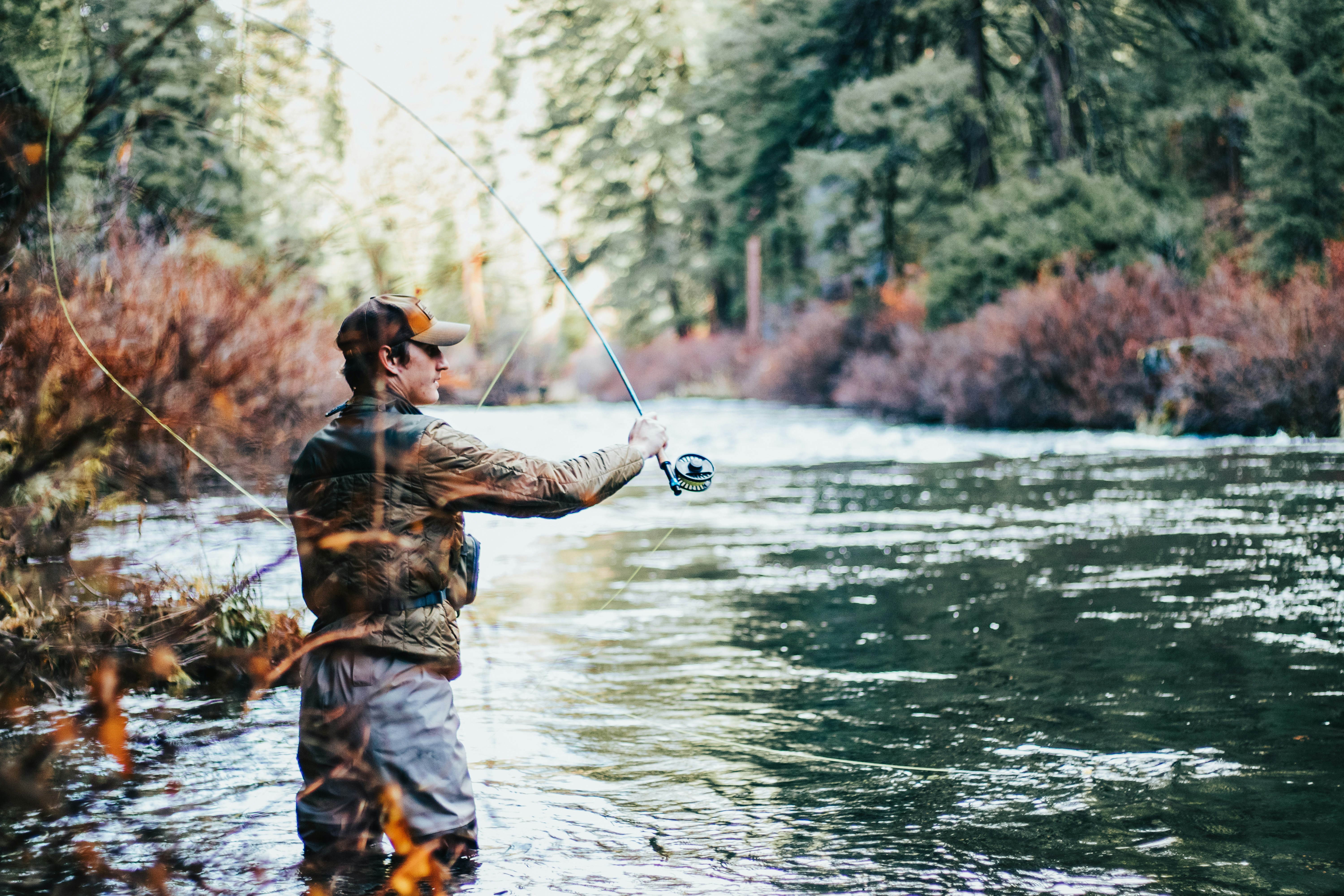
Book a fishing charter out of the harbor to pursue giant Halibut (often using heavy jigs or bait like cod and herring in deeper waters of the Sound) or plentiful Silver Salmon (Coho, typically peaking August-September) in Prince William Sound. Alternatively, grab your heavy gear and a valid state fishing license to try bank-side fishing on the Copper River Highway for the legendary Copper River Sockeye (Red) Salmon (peak season late May-June).
Local Tip:Sockeyes are notoriously hard fighters and do not bite lures; they are typically caught using a specialized flossing technique where the line passes through their mouth due to the density of the run. Regulations are strict and change daily, so check the Alaska Department of Fish and Gameemergency orders before heading out.
Bear Safety for Anglers (Stronger):Always carry bear spray (easily accessible, not in your pack) and know how to use it. Fish in open areas with good visibility. If a bear approaches your fishing spot, immediately and safely give up the fishing spot and any fish you have caught. If camping, keep coolers and fish stored away from campsites in approved bear-resistant containers.
2. Paddling On Eyak Lake Or Orca Inlet
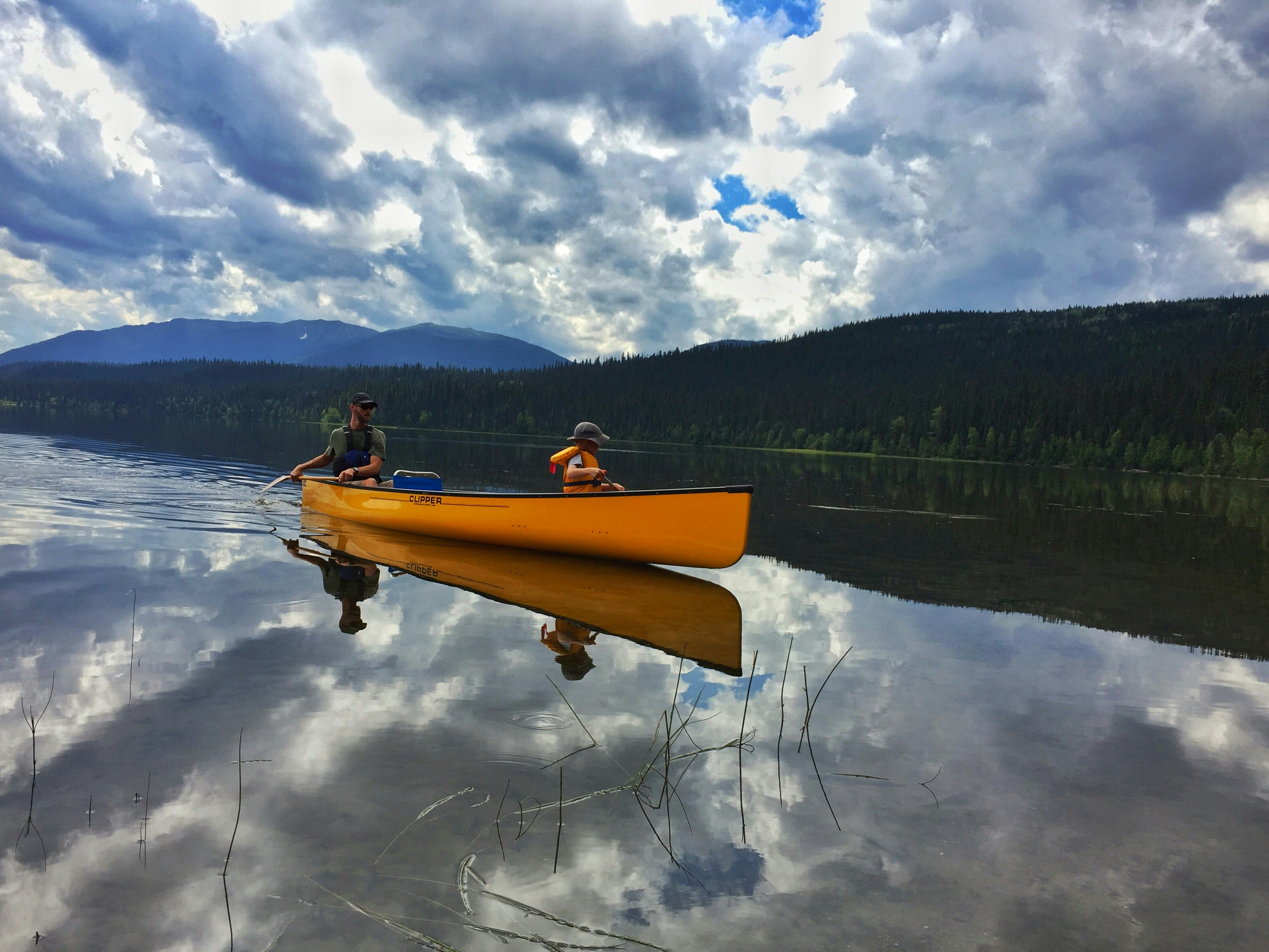
Rent a kayak or canoe for a tranquil experience. Eyak Lake offers calm, protected freshwater, ideal for spotting local waterfowl like loons and Canada Geese, especially in the quieter north end near the USFS trails. For Orca Inlet, launch at Odiak Sloughfor more open-water experience.
Intermediate paddlers will enjoy navigating the tide lines near the town and scanning for Sea Otters, harbor seals, and small, transient whale pods. Always check the Cordova tide chartsmeticulously, as the tides in the Inlet can create strong currents and significantly alter launch accessibility.
Marine Wildlife Watching (Kayaking):If you encounter seals or sea otters, follow recommended viewing distances for marine mammals. Never chase, feed, or surround animals.
3. Go River Rafting
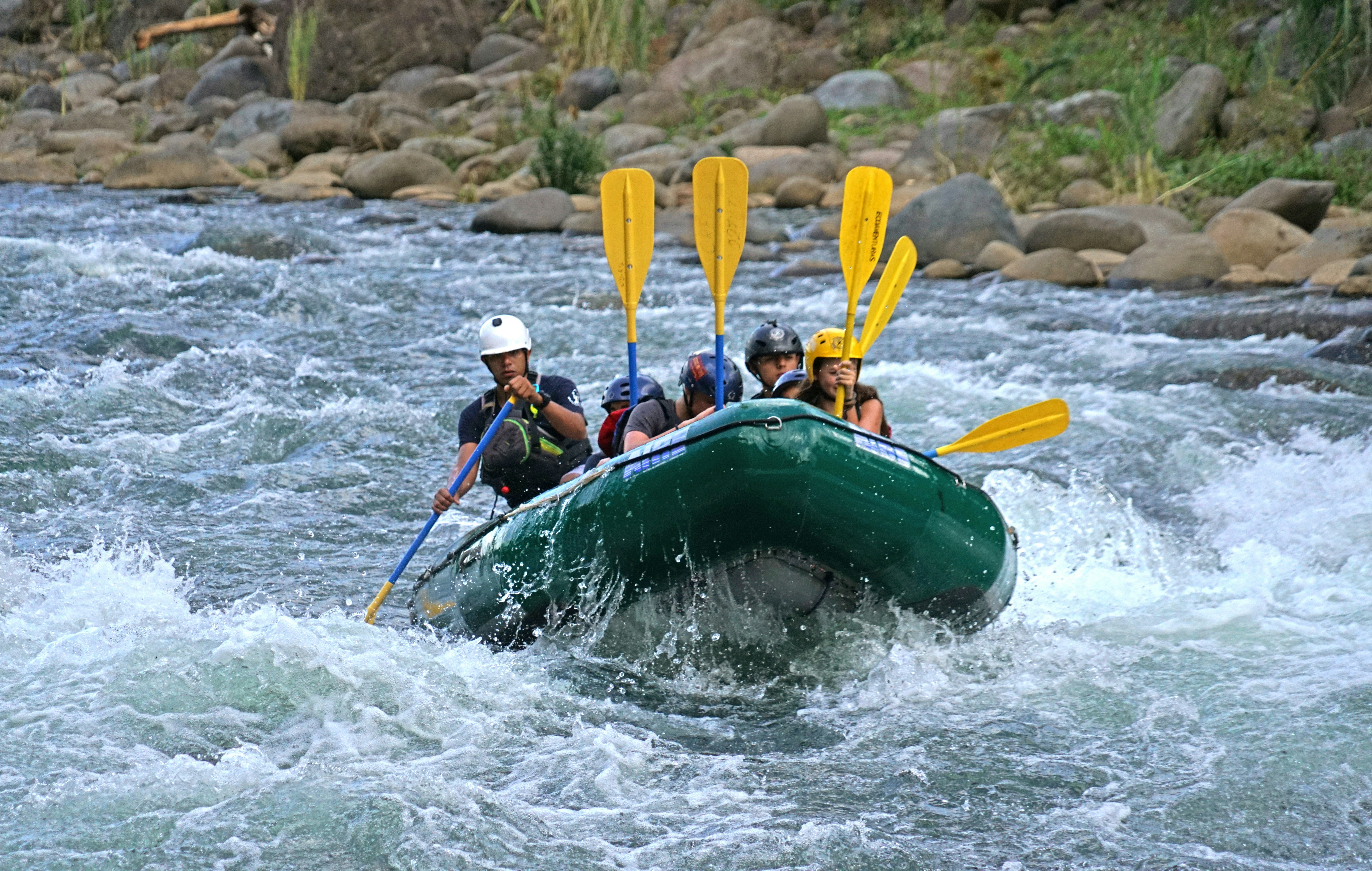
Hire a local guide for an adrenaline-pumping whitewater rafting trip down the Copper River's tributaries (sections are often rated Class II-III and require experienced guides and specialized boats). For those seeking scenery, opt for a scenic, calm float trip for exceptional photography opportunities.
The calmer sections allow you to silently observe nesting birds and wildlife that gather along the riverbanks, including black and brown bears, and moose that feed on riparian vegetation. This is the only way to fully appreciate the massive scale and historical significance of the river system.
Safety Note:River rafting is a specialized activity; always use licensed local guides for safety.
4. Charter A Boat To Unreachable Glaciers (The Ultimate Glacier Tour)
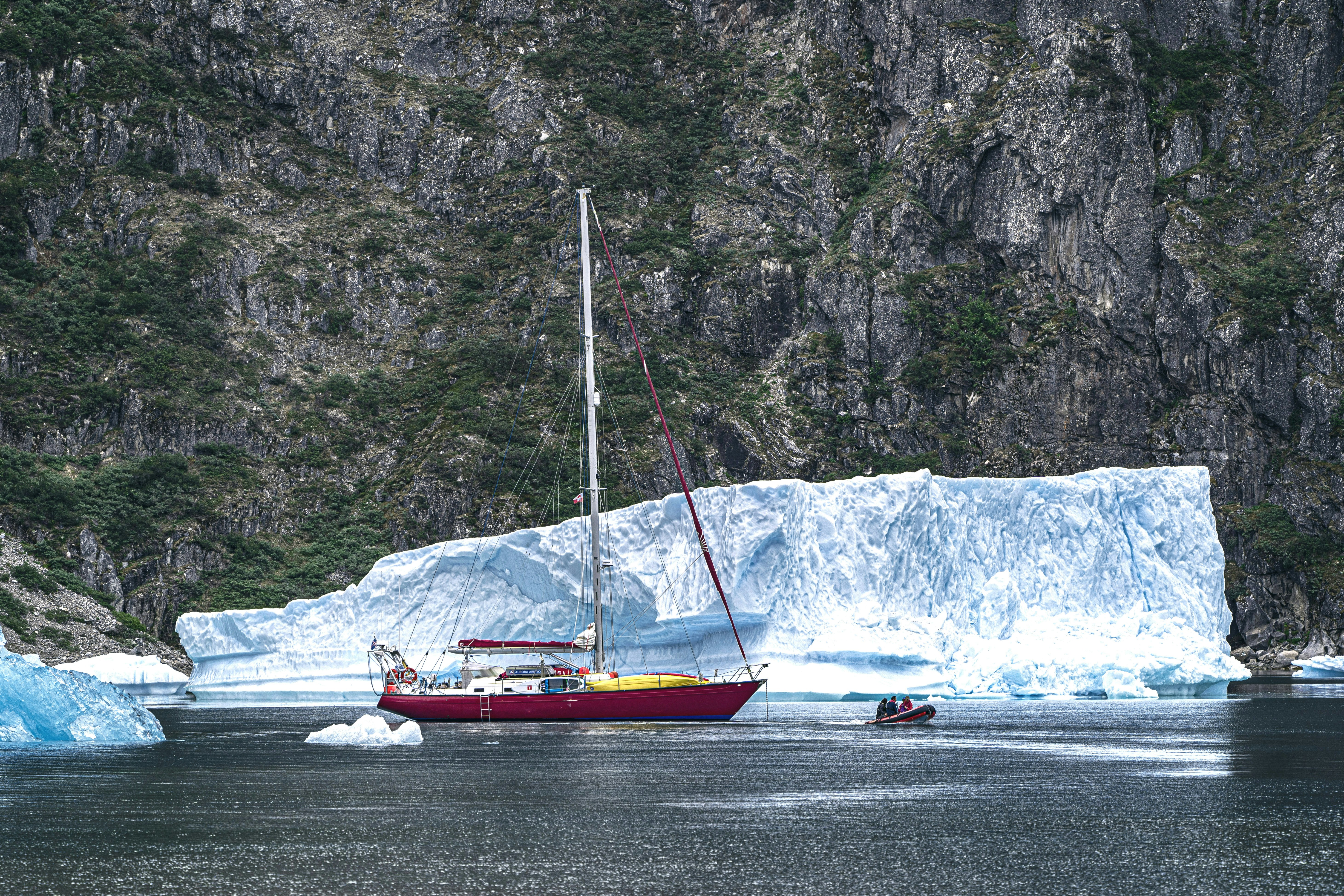
Since the Copper River Highway is permanently cut at Mile 36 due to erosion and bridge damage, book a specialized jet boat charter or air charter to travel up the river to the currently road-inaccessible Childs Glacier and the historic Million Dollar Bridge.
You will see both the actively calving Childs Glacier (which often sheds massive, audible blocks of ice into the river) and the massive, 20-mile-long Miles Glacier slightly upstream, providing a powerful view of two different glacial dynamics. These tours often take a full day and are the best way to grasp the glacial geography that once dictated the region's mining routes.
Extreme Glacier and Ice Safety (Stronger):Glacier ice and lake ice are unstable and can change quickly. Never walk on, swim near, or climb onto icebergs or the glacier face, which can flip or calve into the lake without warning. Emphasize checking with the local US Forest Service Office or local guides for any current trail or ice advisories.
Glacier & Delta Adventures
5. Hike To Sheridan Glacier Lake (Iceberg Views)
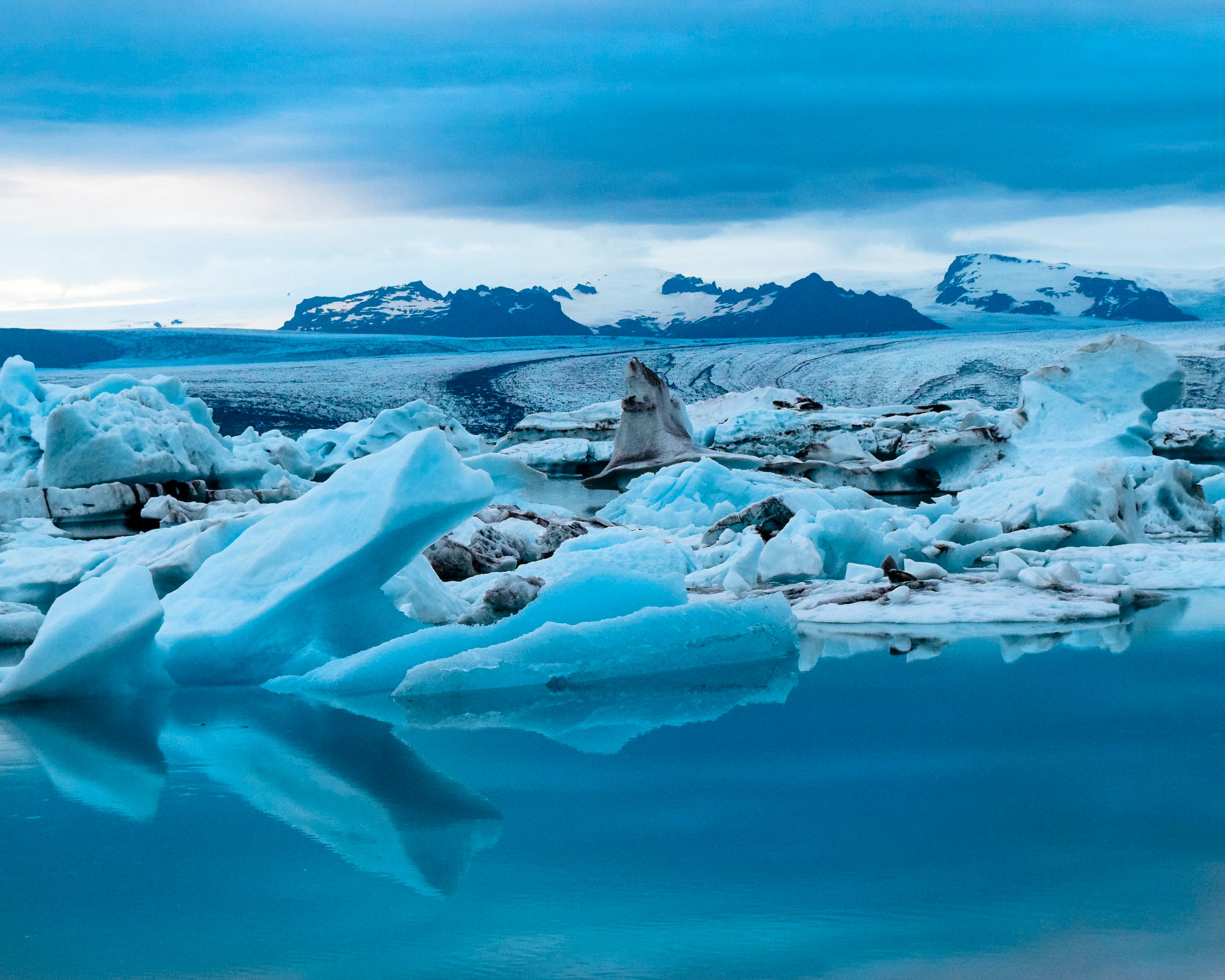
Walk the easy, flat 1.5-mile trail (an old gravel roadbed at Mile 14 on the highway) to the Sheridan Glacier Outwash Lake. The wide, well-maintained trail is suitable for families and leads to a panoramic view of the glacier's toe. You'll be rewarded with incredible views of large, blue icebergs floating near the shore.
Safety Note:Do not walk on or near the icebergs, as they can flip without warning. The area is a favorite spot for day hikers and photographers due to the dramatic blue ice.
6. Explore The Copper River Delta Wildlife
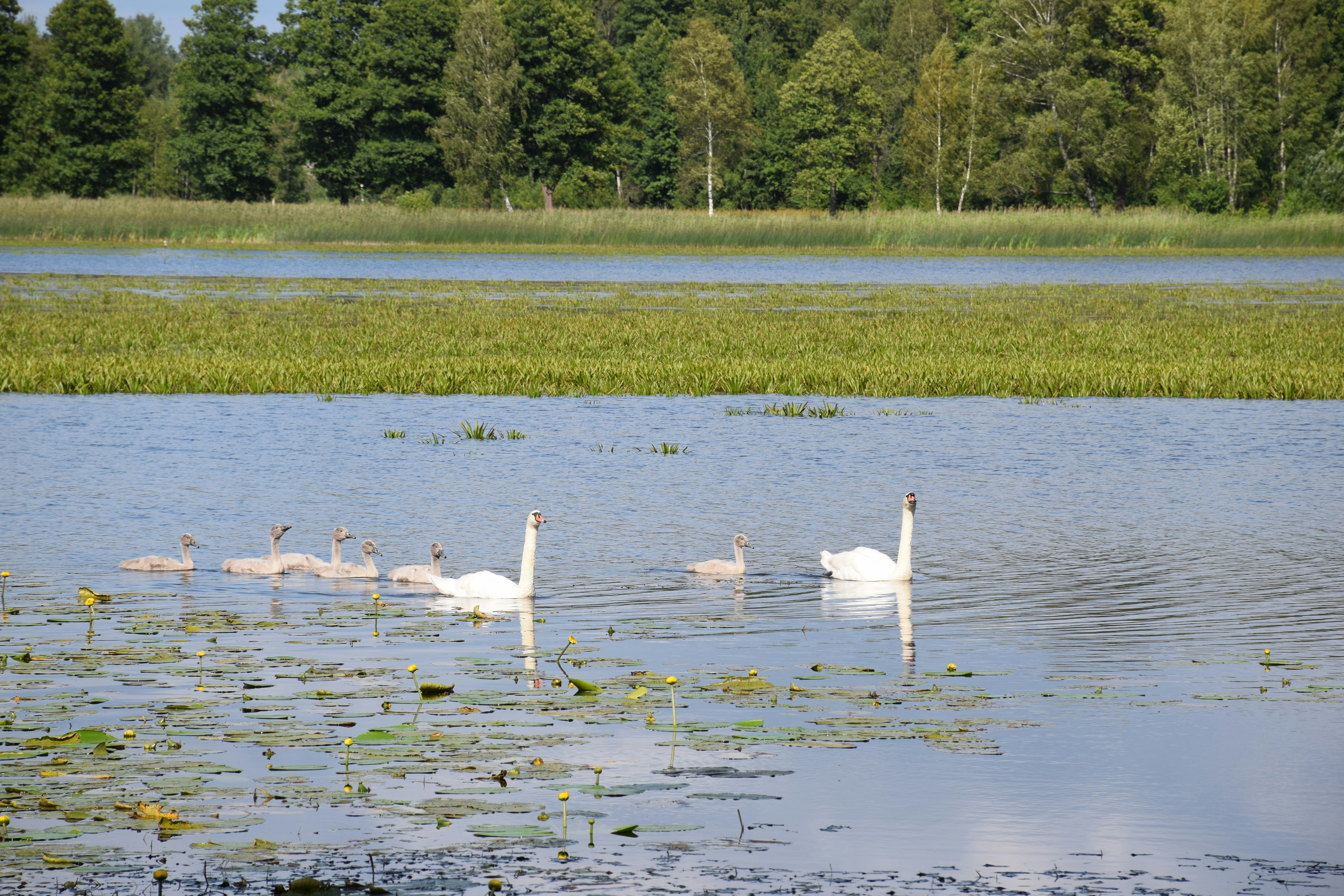
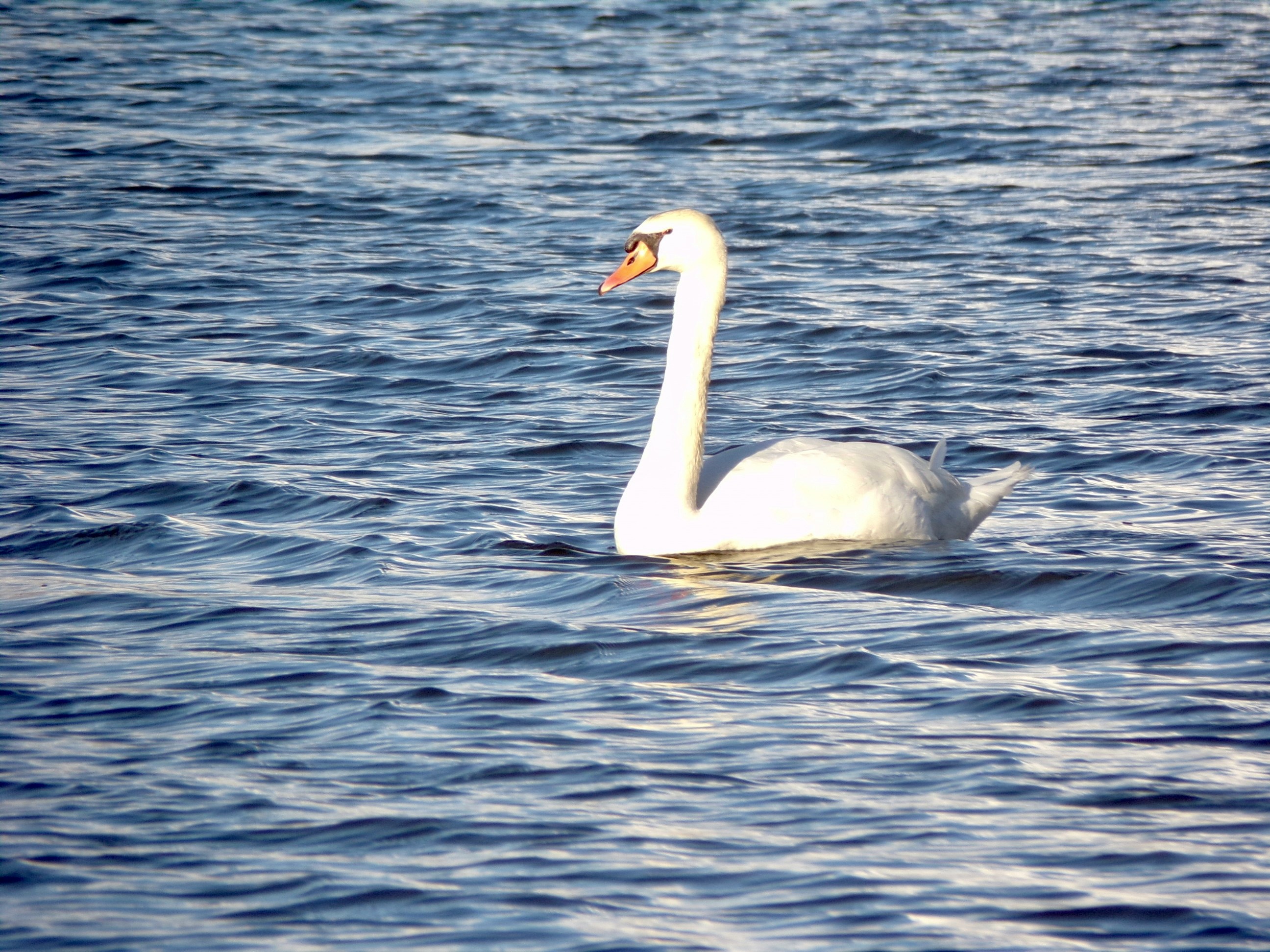
Drive the Copper River Highway (up to Mile 36) across the expansive 700,000-acre delta, one of the largest wetlands on the Pacific Coast. Stop at the Alaganik Slough Trail (Mile 17) to walk the boardwalk, scanning for large Trumpeter Swans (known for their loud, distinctive call, often migrating in pairs), Moose, and coastal brown bear feeding on vegetation or spawning salmon. Bring powerful binoculars; the Delta’s flatness means wildlife is often distant but abundant.
Hikes & Backcountry Overnights
7. Hike The Heney Ridge Trail
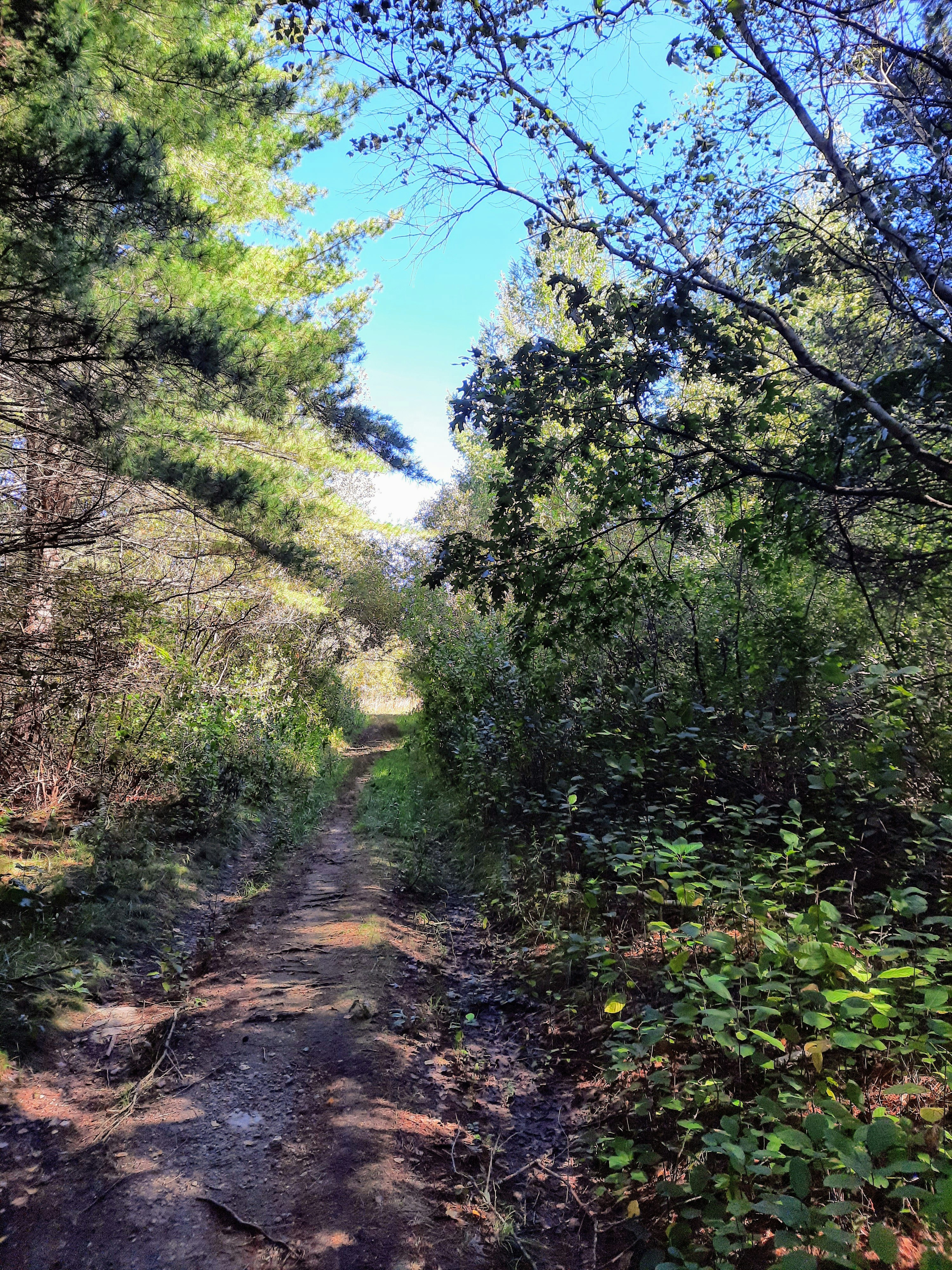
For experienced hikers, challenge yourself on this steep trail, which climbs approximately 2,500 feet over 4 miles one way. The path starts near the harbor and rapidly gains elevation, rewarding you with expansive, panoramic views of Hartney Bay and Prince William Sound.
Expect significant mud, slick roots, and variable alpine weather; the trail requires sturdy boots and preparedness for rapidly changing, cool conditions, even in mid-summer.
8. Trek The Saddlebag Glacier Trail (Seclusion Guaranteed)
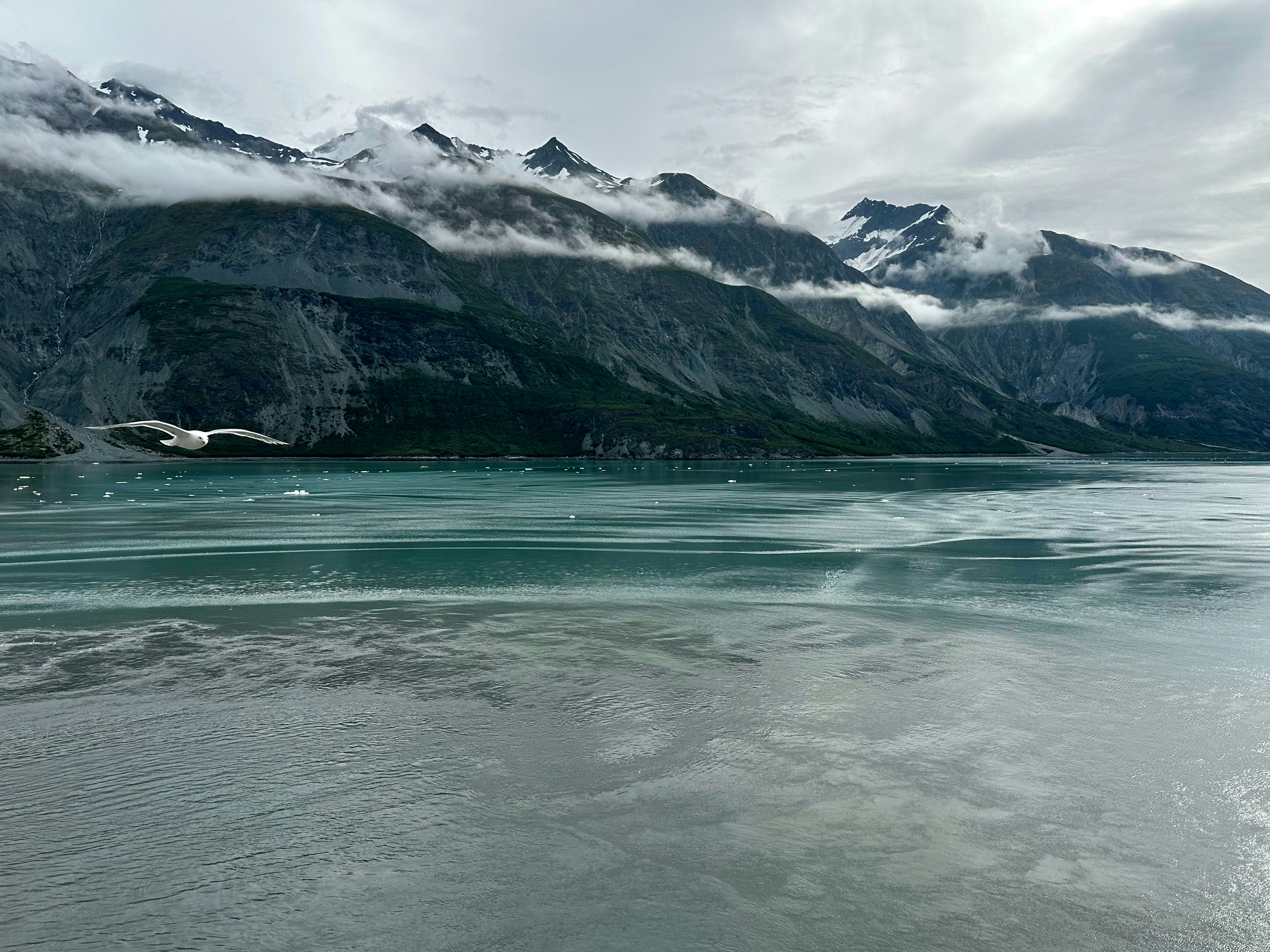
Access this 6.2-mile round-trip trail at Mile 24.6. Following an old railway bed, it is relatively flat and winds through dense forest before opening into stunning alpine scenery near Saddlebag Lake. This trail is highly recommended for those seeking solitude and is usually less crowded than the Sheridan Glacier access trail. Keep an eye out for alpine vegetation and marmots in the rocky sections near the lake basin.
9. Lodge At A US Forest Service Cabin
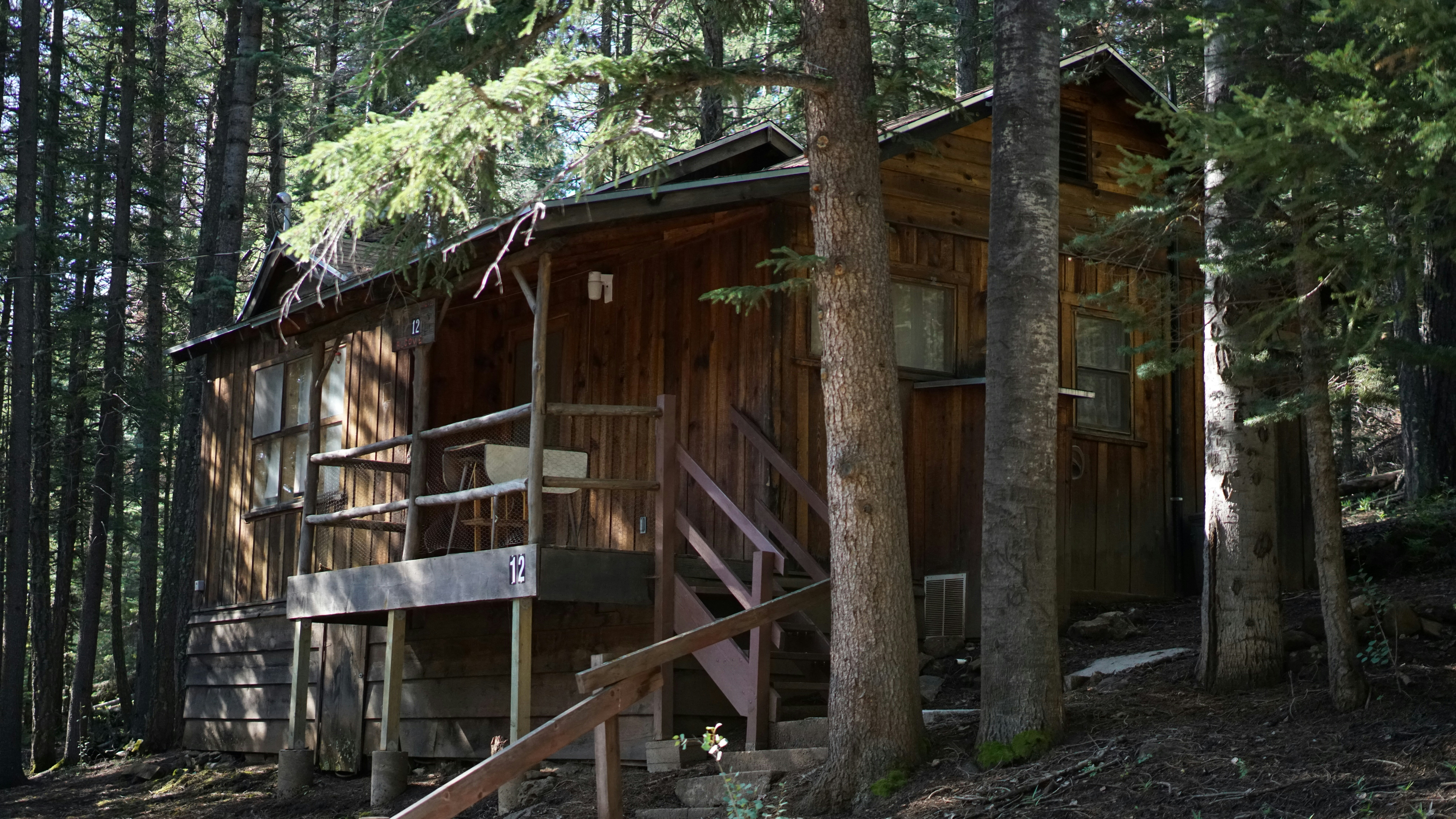
For a truly immersive experience, rent one of the rustics, primitive US Forest Service Public Use Cabins near popular trailheads like McKinley Lake or Power Creek. These small, three-sided shelters often come equipped with bunks and a wood stove but require reservations on Recreation.govup to six months in advance. They offer secluded, cheap lodging perfect for multi-day trips, though you must pack in all food, water, and fuel.
How to Plan:These are primitive. You must pack in all food, fuel, water, and bedding. Strictly follow all bear protocols; all food, garbage, and fish must be stored away from the cabin.
10. Hike To The Old Chairlift Seat
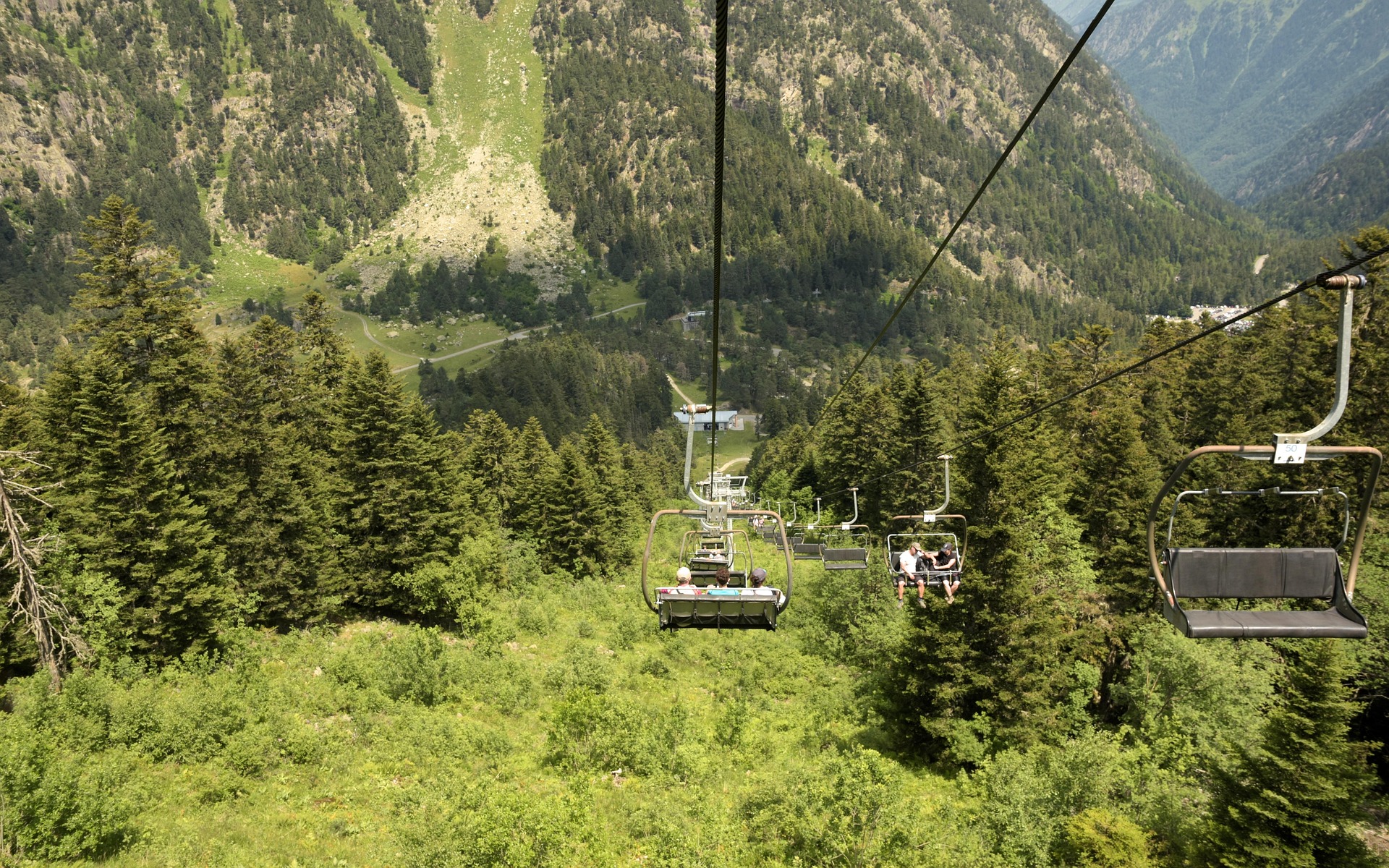
In the summer, hike the steep Ski Hill Trail up Mount Eyak. At the top, pose for a unique photo in the empty seat of the 1939-vintage single chairlift, with the vast Prince William Sound panorama as your backdrop. The empty seat is a nostalgic, photographic landmark, symbolizing the town’s enduring past.
11. Hike The Local Forest Service Trails
Utilize the accessible, maintained trail system, like the Muskeg Meander Trail or the Pipeline Lakes Trail. These offer free, scenic outdoor exercise and are well-marked, providing safe and easily accessible routes just outside the town center.
Festivals, Foraging & Unique Finds
12. Attend The Shorebird Festival (Epic Migration)
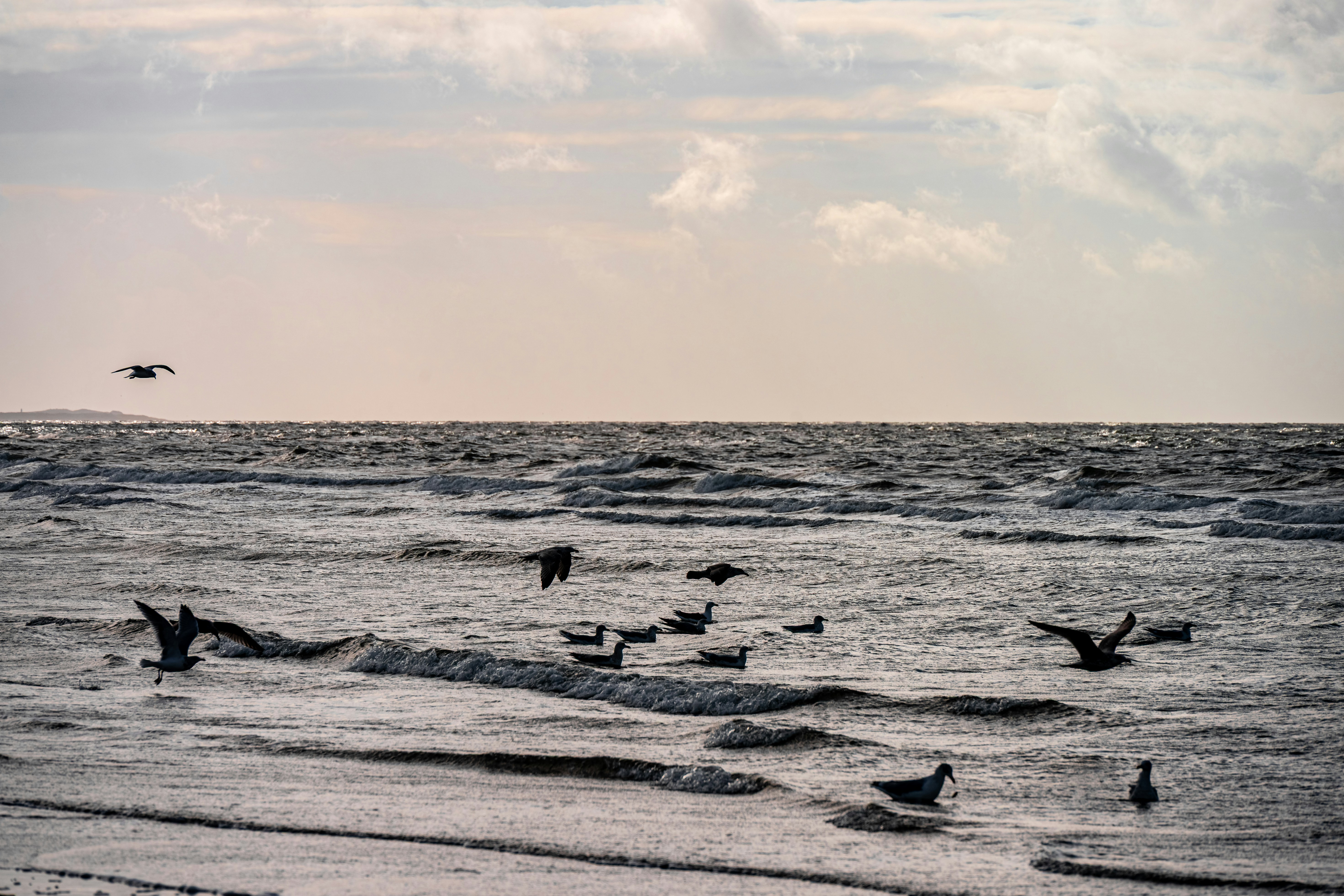
If visiting in early May, attend this annual festival celebrating the stopover of up to five million migratory shorebirds on the Delta mudflats. Look specifically for the tiny, bustling Western Sandpipers and the longer-billed Pacific Dunlin as they refuel during their epic journey north. The festival offers guided birding tours, keynote speakers, workshops on bird identification, and conservation efforts focused on protecting the crucial Delta ecosystem.
13. Spot Marine Wildlife (The Otter Capital)
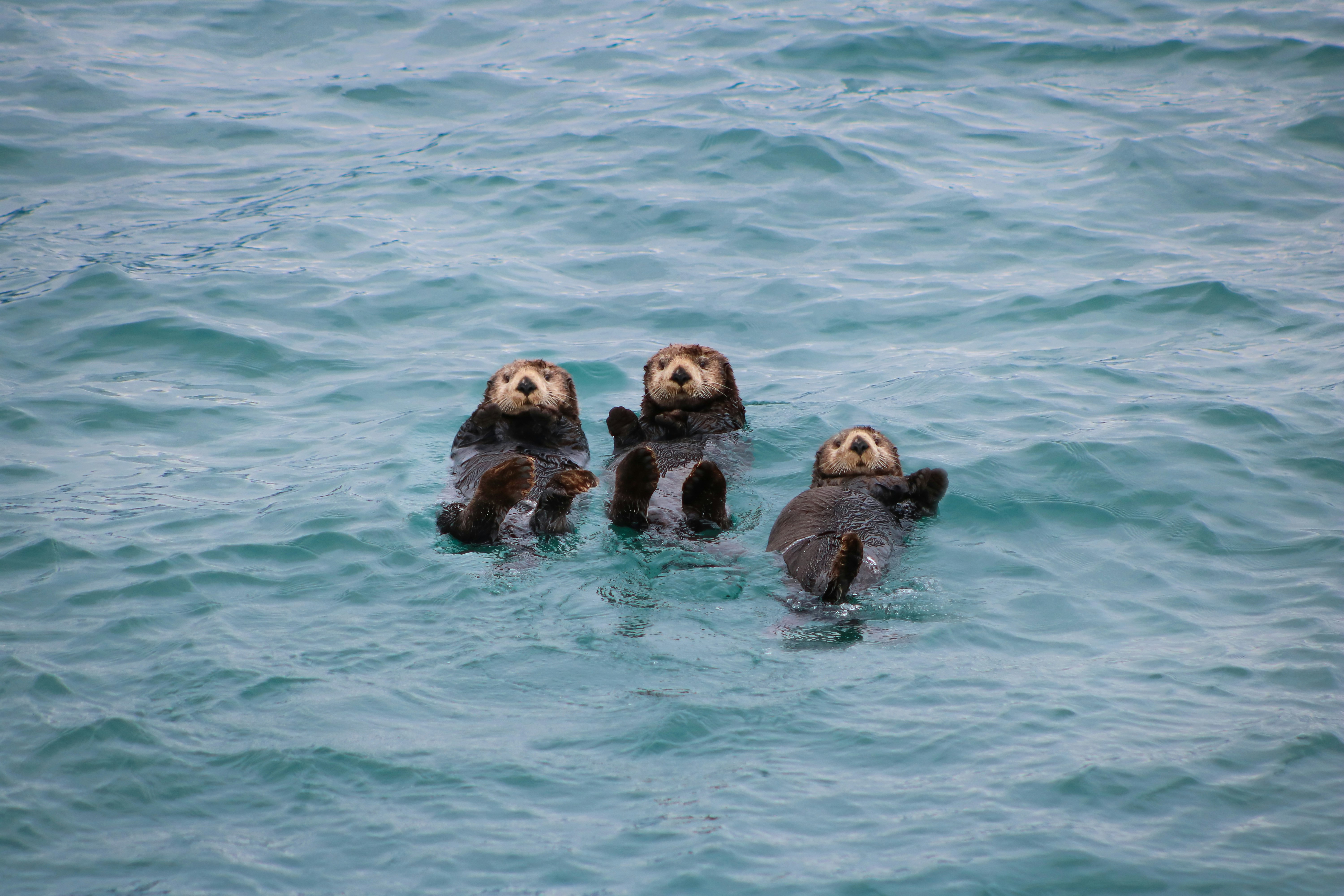
Look for playful Sea Otters rafting in large groups in Orca Inlet and Hartney Bay. These protected areas are vital otter habitat and contribute to Cordova’s nickname. You can book a boat tour to observe massive Humpback Whales feeding on krill or herring, and Steller Sea Lions resting on rocky haul-outs in the Sound. Whale watching peaks in July and August, when feeding is most aggressive.
Marine Wildlife Viewing (Stronger):When on a boat tour, follow recommended viewing distances for whales and marine mammals. Never chase, feed, or surround animals. Let the captain/guide manage approach distances to ensure compliance with wildlife regulations.
14. Attend Salmon Jam
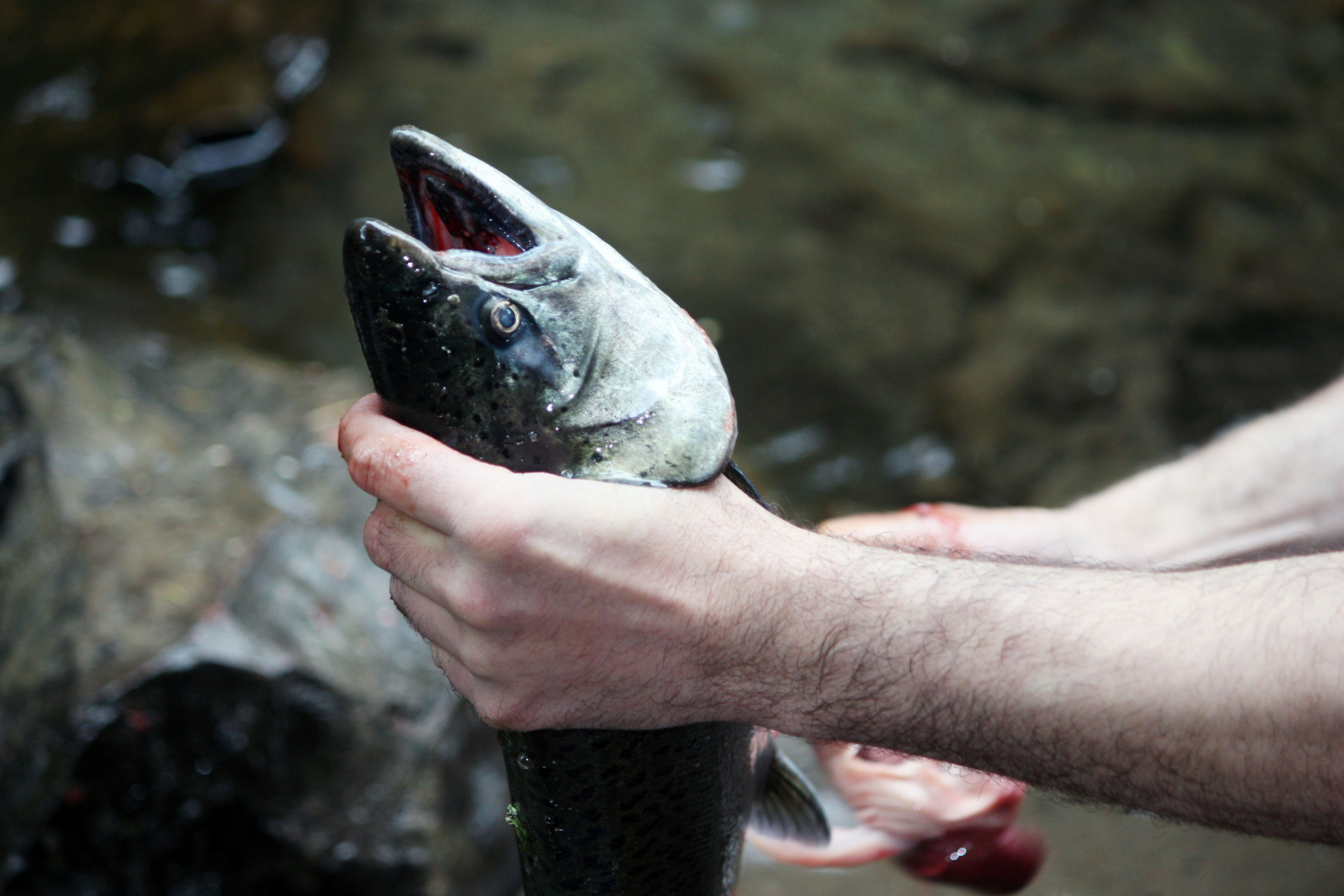
Join the celebration in mid-July for the festival featuring live music, local seafood vendors, educational booths, and arts that mark the peak of the Copper River Salmon run. The atmosphere is highly festive and community-driven, often featuring regional musicians and celebrating the economic lifeblood of the town.
Explore more: Things To Do In Alaska In July
15. Hunt For Carnivorous Plants
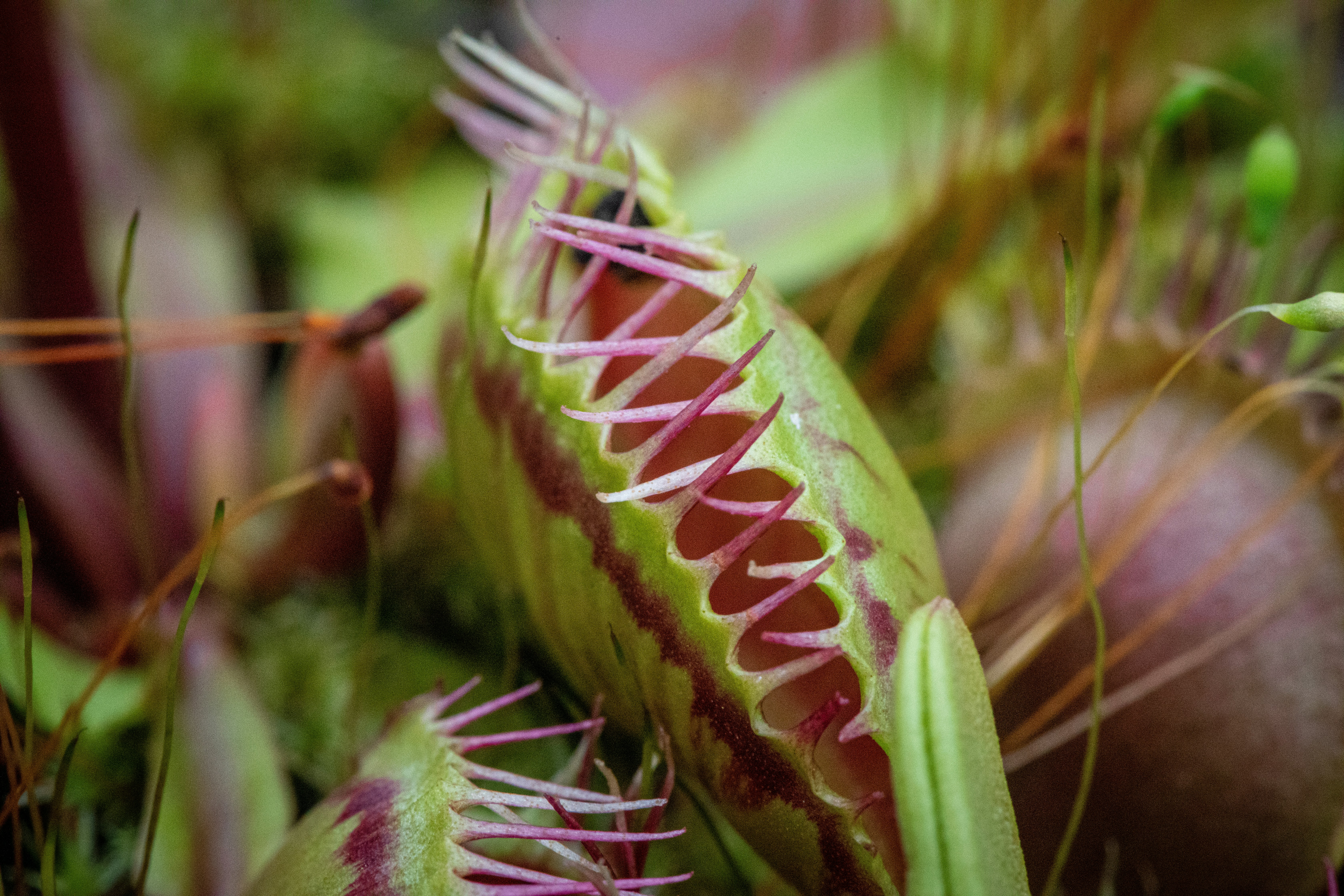
Search the trails in the boggy, wet muskeg areas, particularly along boardwalks on the Delta. Look for the tiny, reddish, sticky, insect-trapping leaves of the Sundew and the Butterwort a surprising biological find in the sub-arctic climate that thrives in the nutrient-poor acidic soil. These plants demonstrate the unique biological adaptations of the Delta environment.
16. Look For Freshwater Seals In Eyak Lake
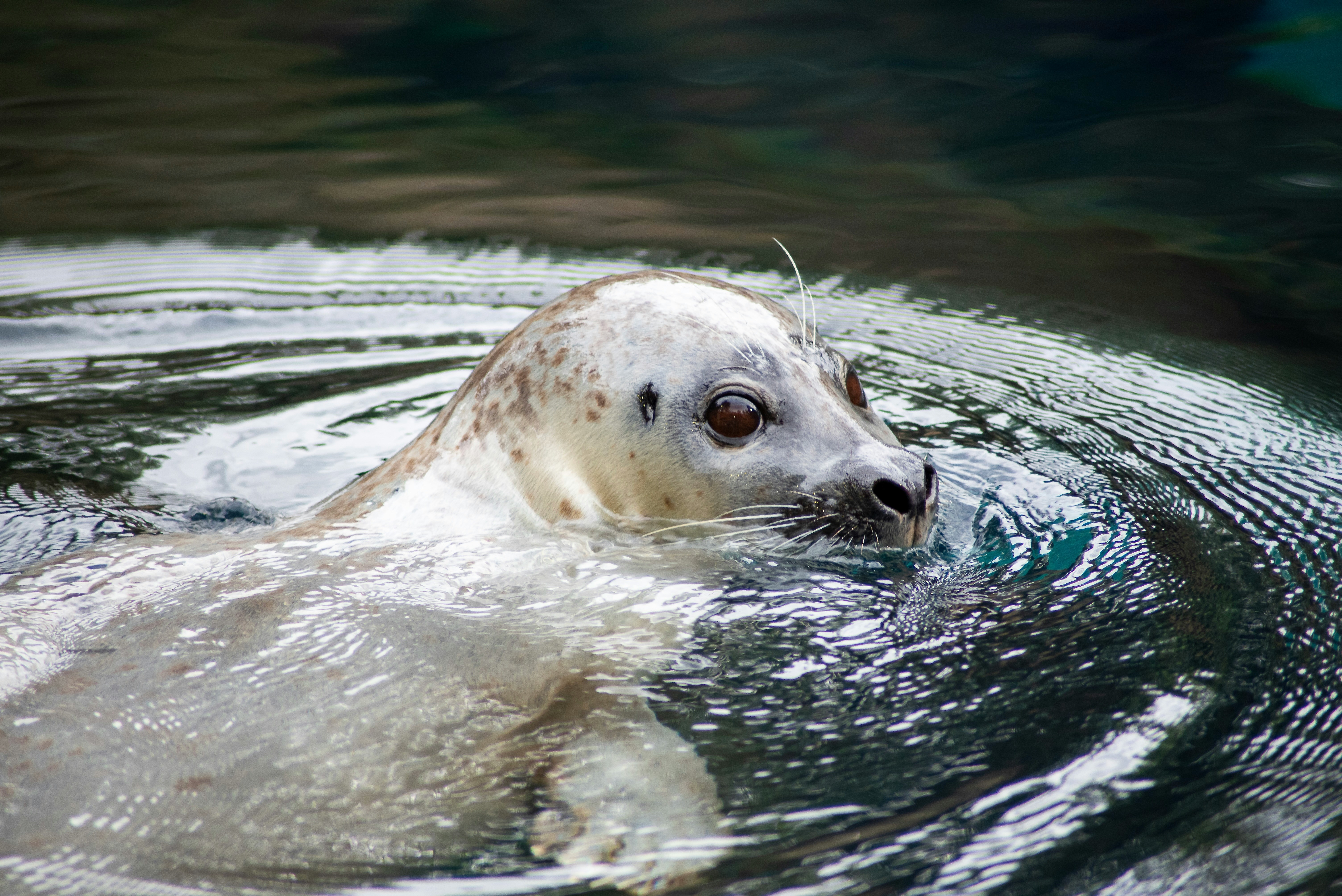
Keep a watchful eye near the mouth of Eyak Lake for the occasional Harbor Seal that manages to navigate the estuary and swim into the freshwater lake a rare and unusual sighting that demonstrates the unique ecological connectivity of Cordova’s waterways, as the seals follow salmon upriver.
17. Forage For Fungus (Seasonal)

Visit during the annual Fungus Festival (early September) or hire a local guide to go on forays to learn about and safely collect edible local mushrooms and unique fungal species in the dense Chugach National Forest, including chanterelles, morels, and boletes. Always follow strict local guidelines for identification and safe consumption.
18. Gather Wild Berries And Glacier Ice

In late summer, bring a container and pick the abundant wild blueberries and salmonberries along the trails. This is a free, rewarding local tradition that often includes chipping ancient glacial ice from riverbeds or lake edges (with extreme caution) for pure, mineral-rich drinks, believed to be the cleanest water available.
Things To Do In Cordova In Winter (October – April)
Winter offers unique cold-weather sports, a famous festival, and access to ice-covered landscapes under the short, often overcast, daylight hours.
Winter Sports & Aurora
19. Ski The Historic Mt. Eyak (Single Chairlift)
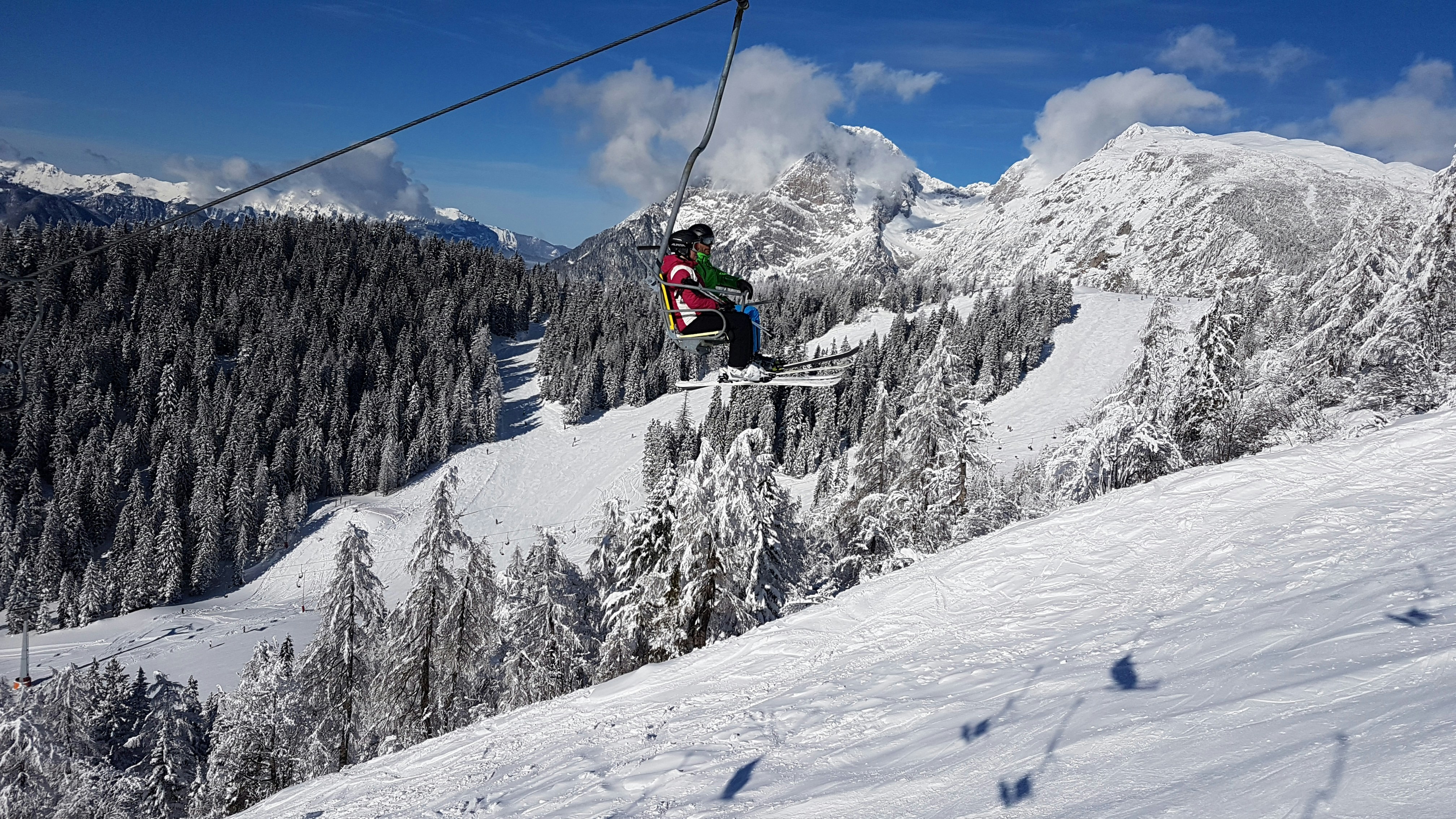
Ride the famous 1939-vintage single-chair lift one of the oldest operating in the world to access the mountain's 800-foot vertical drop. Enjoy the unique, deep maritime snowpack that often falls in the Chugach Mountains, offering a nostalgic and challenging skiing or snowboarding experience with stunning fjord views. The chairlift's history is a point of pride, having survived multiple earthquakes and financial troubles. Check local snow reportsand operating hours, as they can be limited.
20. Go Heli-Skiing
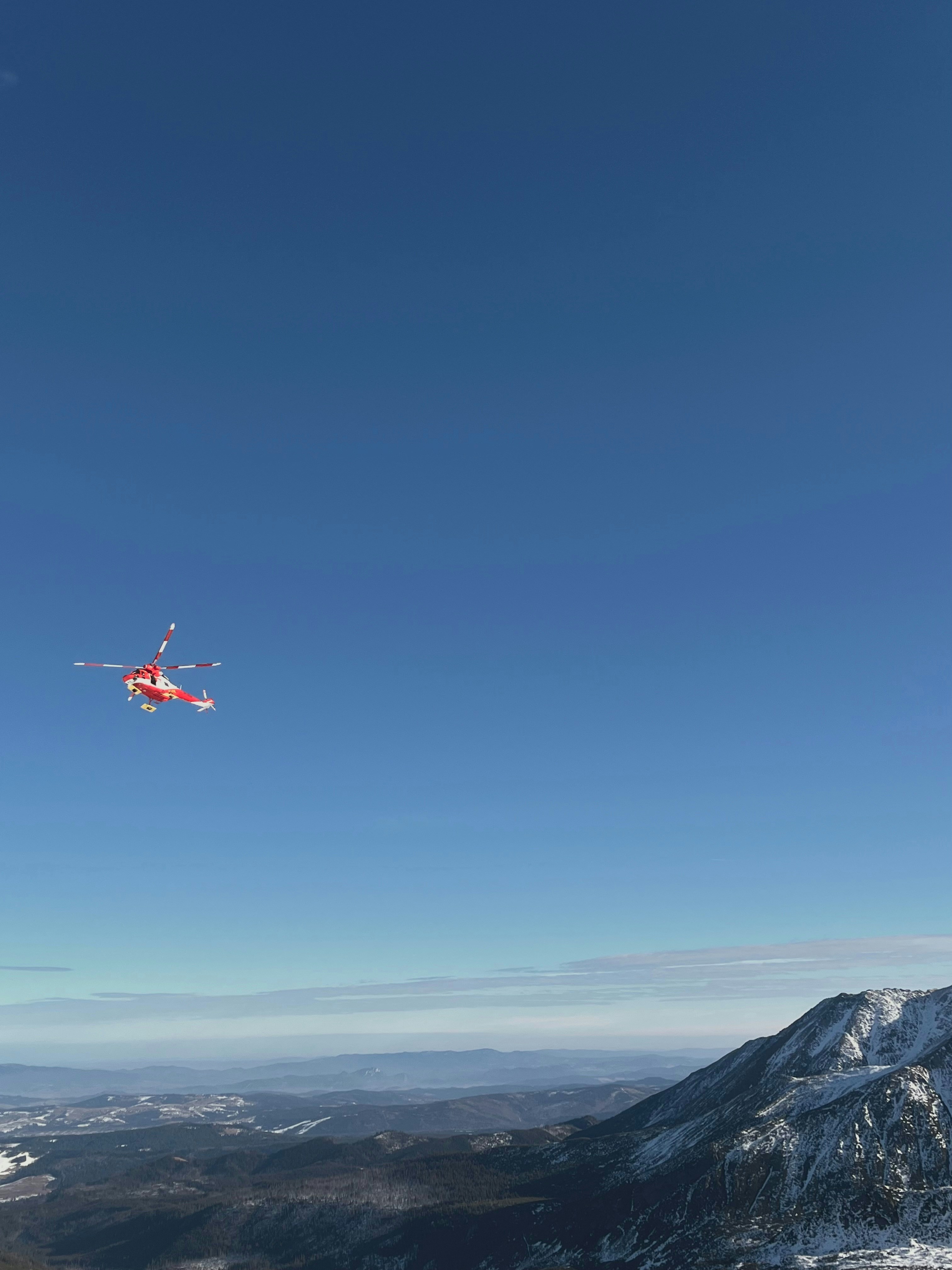
For the ultimate thrill and expert powder, book a guided heli-skiing or Heli-snowboarding trip. The Chugach Mountains are world-renowned for their steep, challenging, and remote terrain, offering some of the biggest, uninterrupted vertical descents accessible by helicopter in North America. This is an expensive but once-in-a-lifetime experience for advanced skiers looking for untracked powder.
21. Cross-Country Skiing Or Snowshoeing
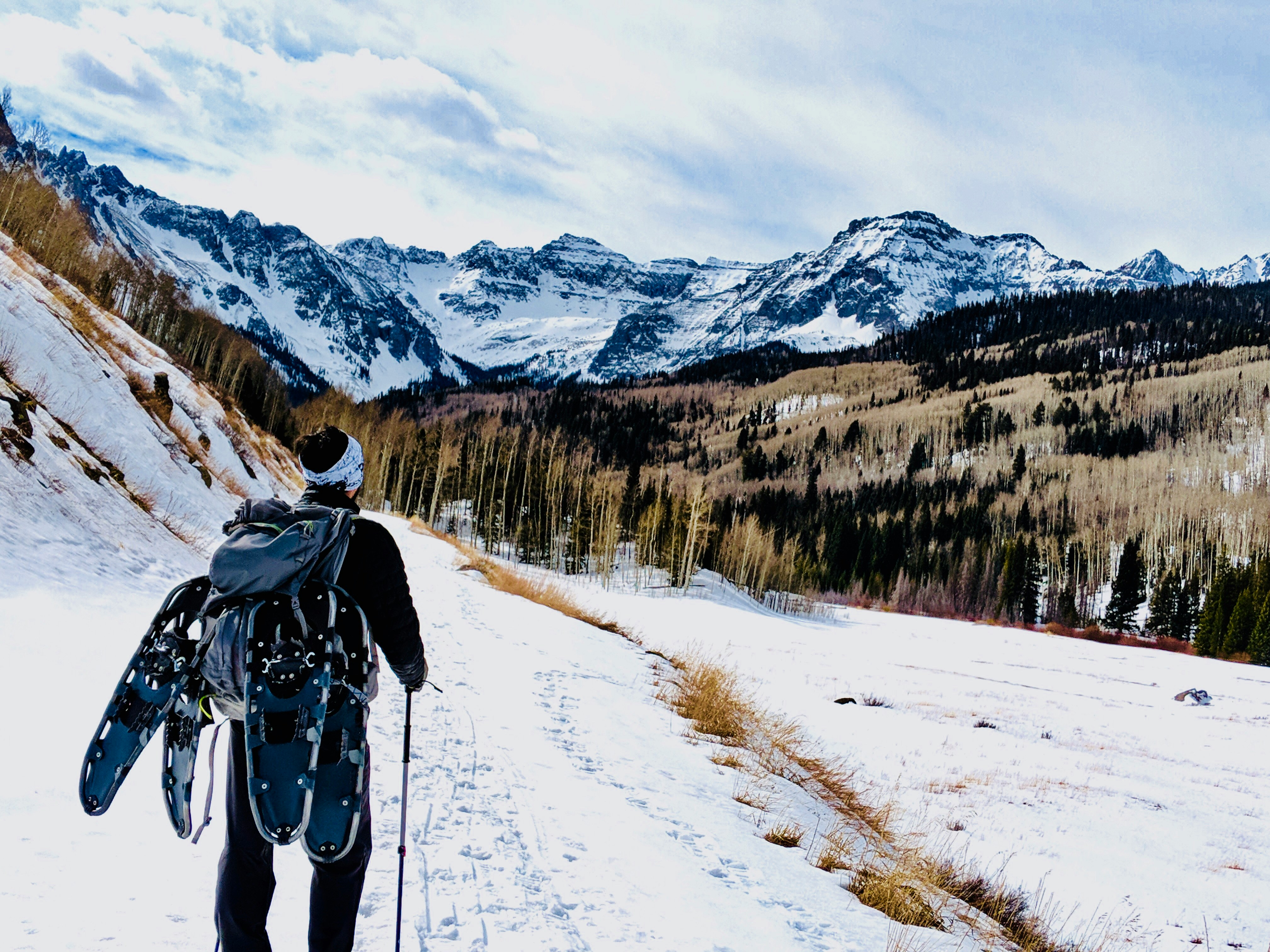
Rent gear and utilize the flat, scenic trails near the airport and town, such as the Muskeg Meander Trail, for peaceful Nordic treks through the snow-covered forest. The Copper River Highway also offers miles of relatively flat trail once plowed, perfect for long-distance cross-country skiing, often with views of frozen streams and distant peaks.
22. Ice Skate On Glacial Lakes (With Caution)
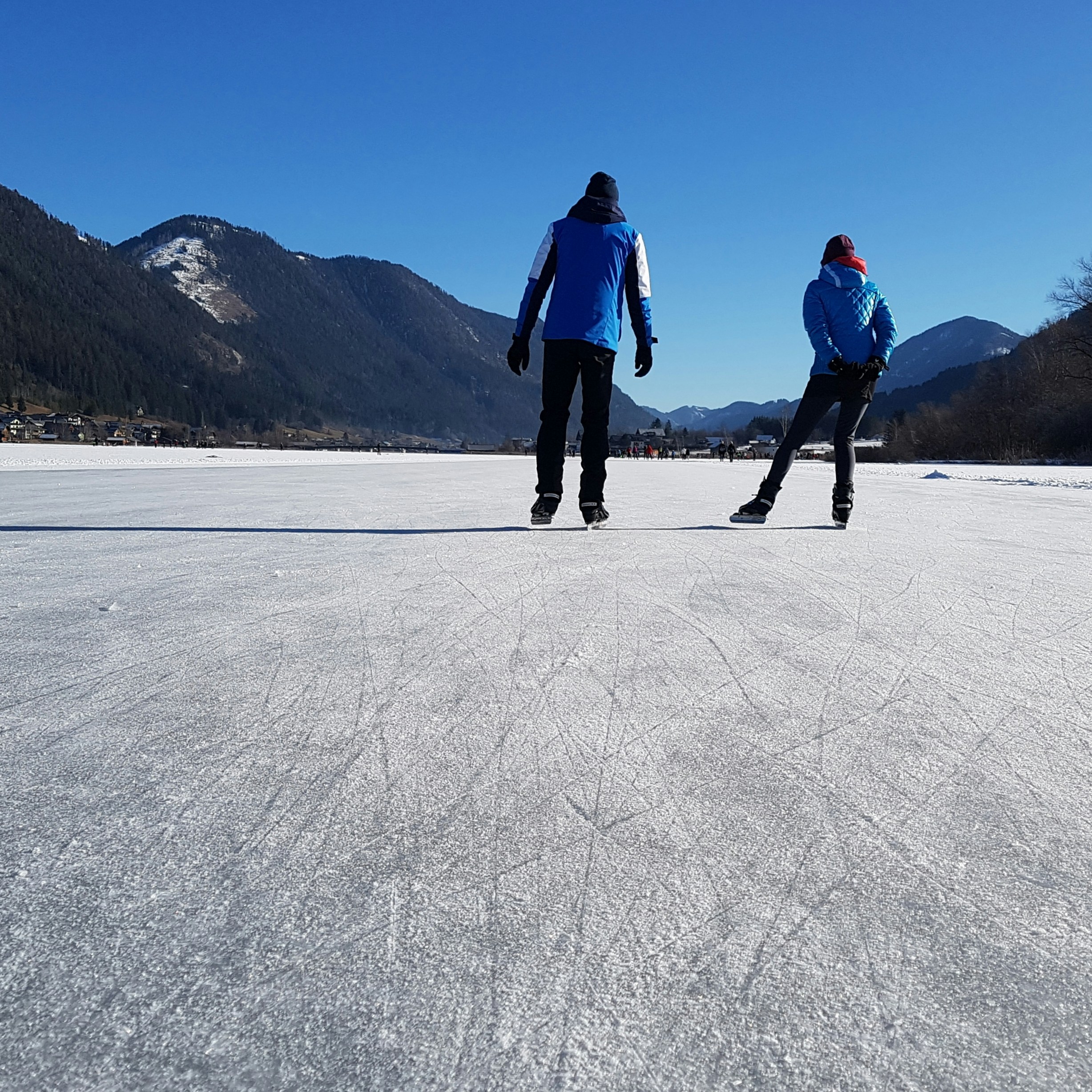
When conditions are stable (critical local knowledge required), join local adventurers who hike to Sheridan Glacier Lake to skate on the massive, clear ice surface alongside static icebergs. The ice must be thick and stable, which is highly dependent on cold snaps and clear weather. Never attempt this without local guidance due to the extreme danger of thin ice, hidden crevasses, or rapidly changing weather conditions. Always check with the local Forest Service officefor safety advisories.
Life-Threatening Ice Safety (Stronger):Lake ice stability is highly unstable and life-threateningly dangerous. The condition of lake ice and glacier faces can change quickly. Always check with the US Forest Service office or local guides for current, stable conditions beforegoing out. Never venture onto lake ice alone or without proper ice rescue gear.
23. Fat Biking On Winter Trails
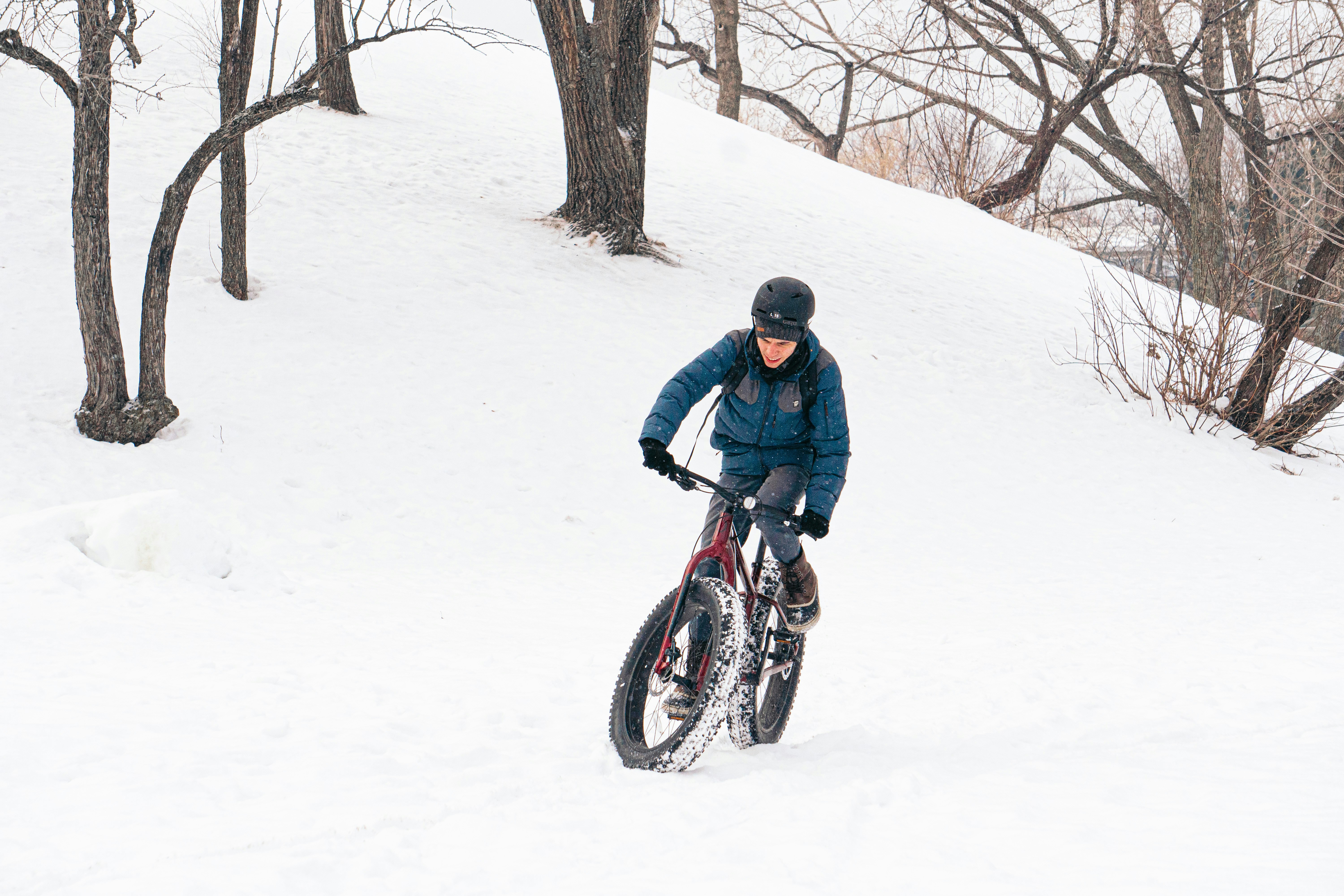
Rent a fat tire bike to explore the packed-down snow routes like Power Creek Road or the plowed sections of the Copper River Highway for unique winter cycling. Fat biking is gaining popularity as a reliable way to cover distance when the snow is too deep for regular biking but too packed for powder skiing, offering excellent winter trail access.
24. Chase The Northern Lights (Aurora Borealis)

Take advantage of the long, dark winter nights (optimal viewing is October through March). Find a viewing spot outside the main harbor lights (like the area near the airport or on the Copper River Highway) for the best chance to see the spectacular Aurora Borealis. While not guaranteed, the lack of light pollution here provides superb clarity on clear, cold nights, so be sure to dress in multiple layers.
Winter Festivals & Quirks
25. Attend The Ice Worm Festival (Cabin Fever Cure)

Join the week-long community celebration (late Jan/early Feb) featuring quirky events like the Ice worm Parade, talent shows, and the famous Survival Suit Races. The festival is a vital tradition, intentionally planned to combat cabin fever during the long, dark winter months and showcasing Cordova’s deep-seated community spirit through humor and resilience.
Explore more: Best Alaska Cruises
26. Compete In The Survival Suit Races
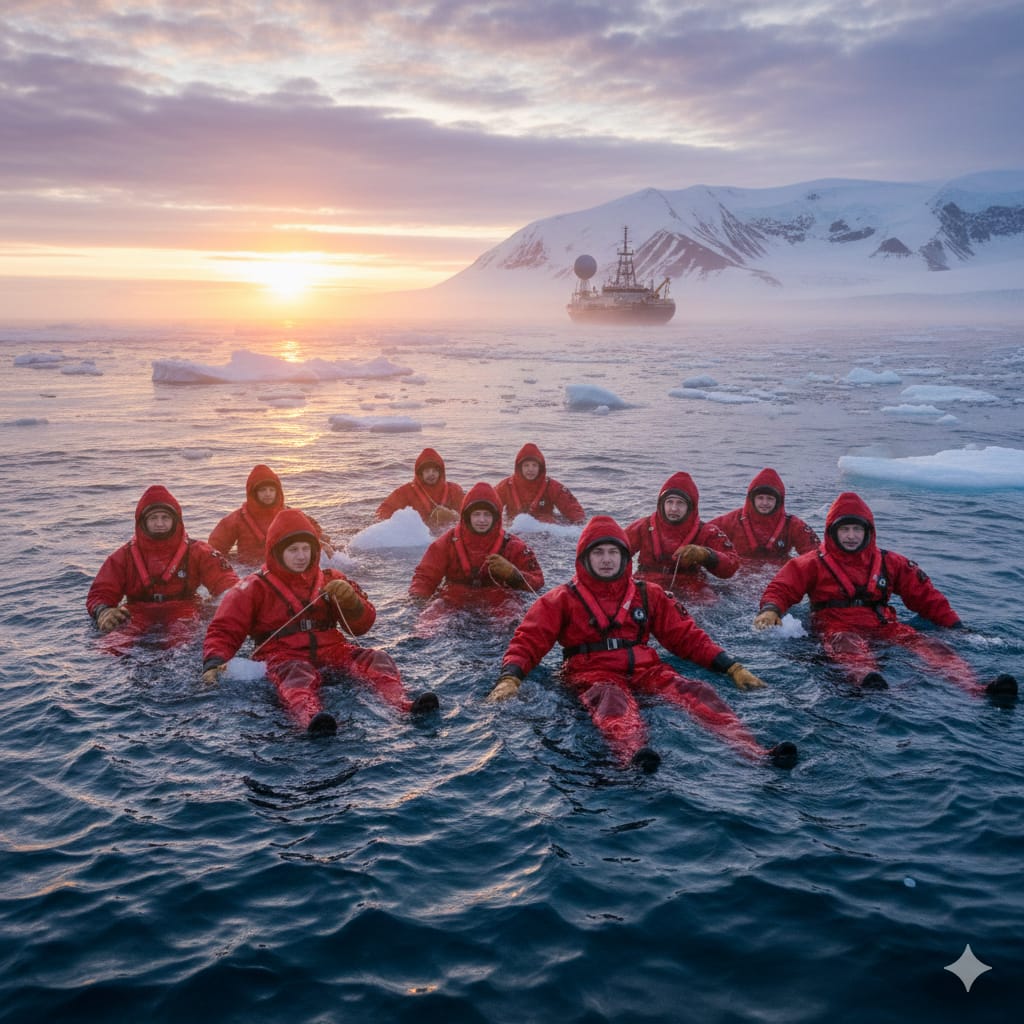
If attending the Ice worm Festival, watch or enter this highly unusual race where participants don bulky orange marine survival suits (designed to save commercial fishermen from hypothermia) and attempt to sprint across a short course in the freezing harbor waters a signature Alaskan quirk and a testament to the town's maritime focus and dark humor.
27. Track The Ice Worm
Participate in the community-wide scavenger hunt to find the hidden tail of the 100-foot-long mascot, the Ice worm, using cryptic clues published daily during the winter festival, encouraging interaction across the small town.
28. Compete In The Pickled Fish Contest
Sample or enter one of the Ice worm Festival's eccentric culinary competitions, celebrating local seafood preservation skills and traditional methods for processing the massive salmon catch into cured or brined delicacies.
All Year Cultural & Civic Activities
These activities are accessible and enjoyable regardless of the season, providing cultural context and practical recreation.
29. See The Orca Skeleton and Learn About the Heritage of the Indigenous People at Ilanka Cultural Center
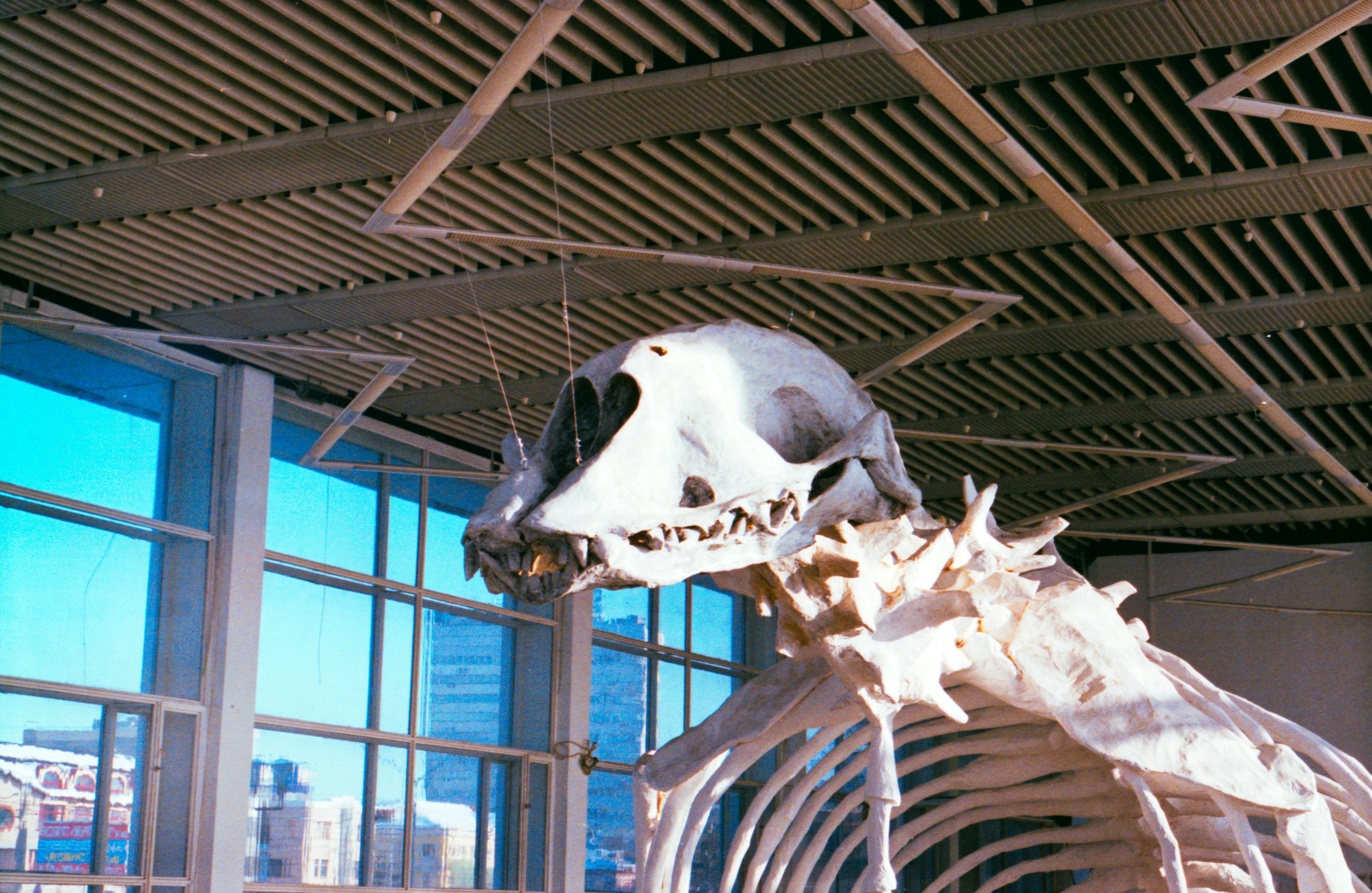
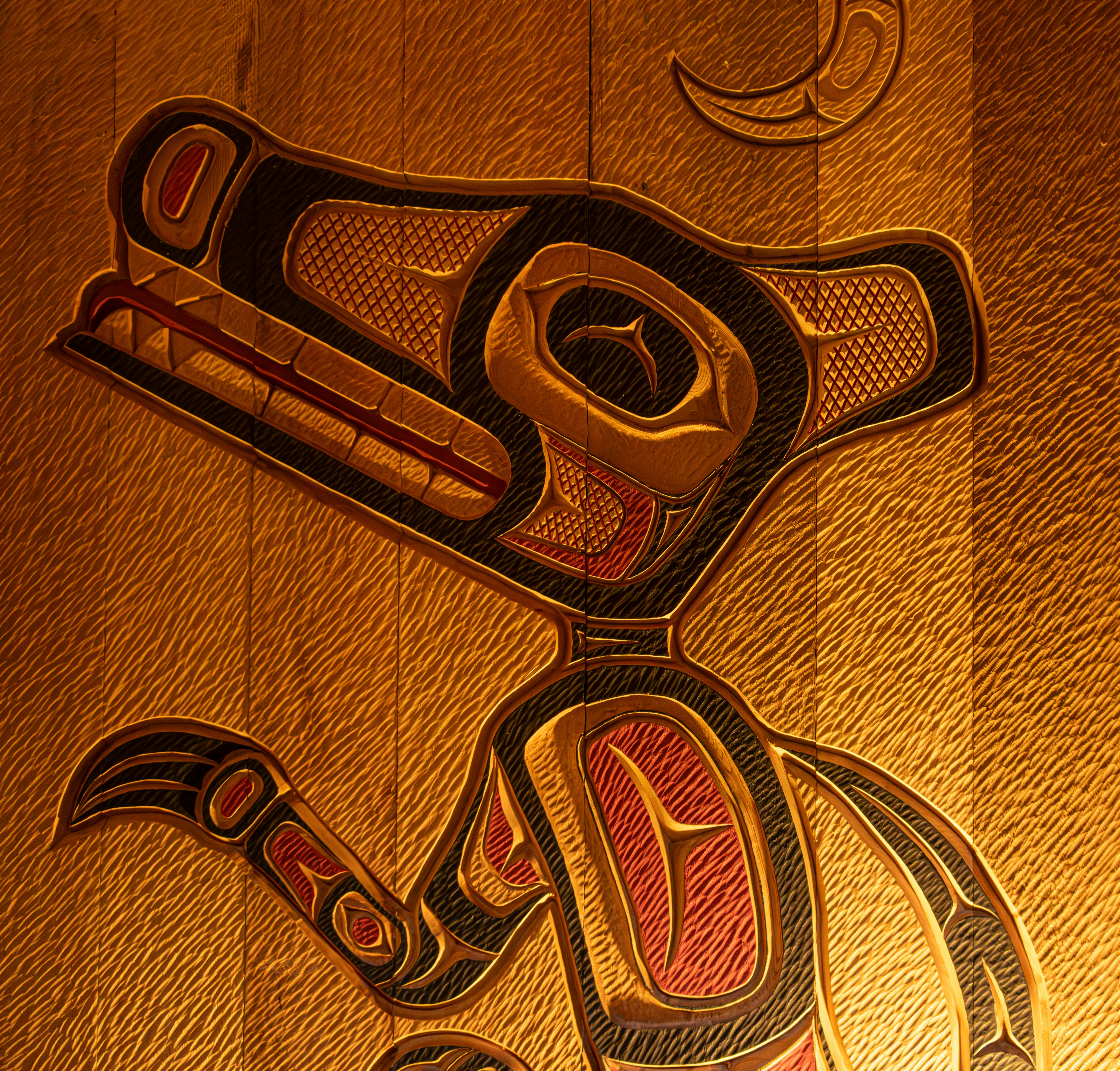
Visit the center to view the impressive, fully articulated 27-foot skeleton of an Orca (Killer Whale), recovered after a local beach stranding and cleaned by community volunteers. This rare museum exhibit emphasizes the indigenous people's connection to the sea and the region’s massive marine biology, providing a powerful educational experience.
Learn about the heritage of the region's indigenous people (Eyak, Alutiiq, and Tlingit) through artifacts, art, and the history of the critically endangered Eyak language. The center hosts rotating art exhibits and cultural workshops year-round, serving as a hub for preserving Eyak, Alutiiq, and Tlingit traditions.
30. Explore The Cordova Historical Museum

Spend an afternoon diving into the town’s fascinating past. Exhibits feature unique railroad relics from the Copper River Railway and historical photos detailing the impact of the 1964 Earthquake (which resulted in five feet of uplift, permanently changing the harbor) and the local history of the 1989 Exxon ValdezOil Spill, emphasizing the community’s resilience and activism. The entrance fee is usually low or donation based.
31. Visit the Cordova Post Office Murals

View the historic WPA-era artwork inside the post office, which depicts scenes of early Cordova life and the fishing industry.
32. Use The Bidarki Recreation Center
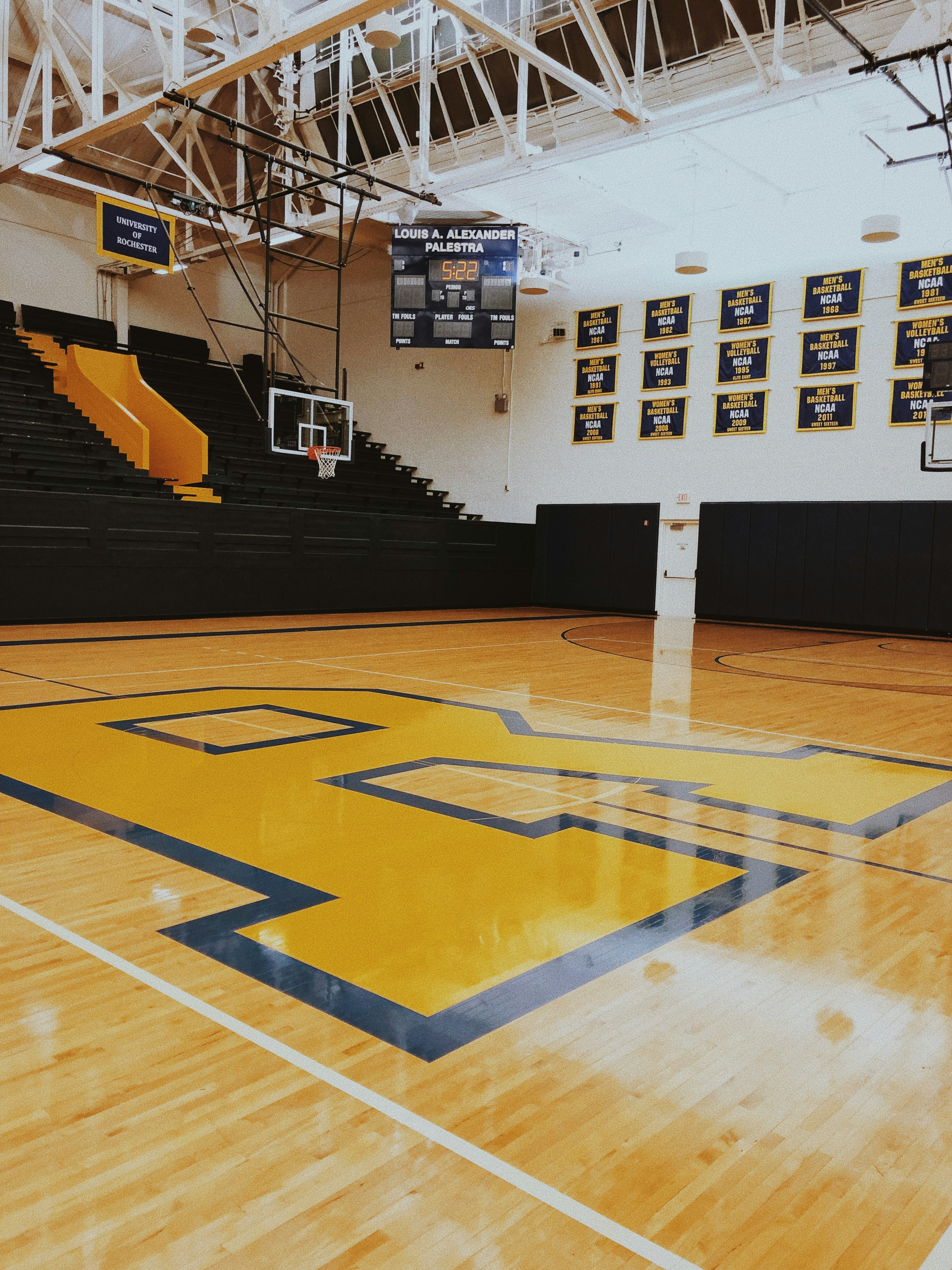
Enjoy indoor amenities, including a gym, weight room with modern equipment, and the unique Bob Korn Memorial Pool (a heated saltwater pool), perfect for fitness regardless of the weather. It serves as a major social and athletic center for the community, offering swim lessons and community classes throughout the year.
33. Shop And Support Local Art
Stroll through the downtown area, browsing the detailed art exhibits at the Copper River Gallery and visiting independent boutiques for authentic Alaskan-made crafts, jewelry, and prints. Support the local artists who draw inspiration from the rugged environment, often depicting the local marine life and Chugach peaks.
34. See A Performance At The Cordova Center
This central community hub houses the museum, library, and the North Star Theatre, which regularly hosts local performances, film festivals, and community events perfect for an indoor evening, especially during the wetter months. It is the heart of Cordova's civic and artistic life.
35. Understand The Fishing Economy
Recognize that Cordova's community is entirely defined by its intense commercial fishing industry. The entire town's logistical cycle centers around the short, high-value Copper River Salmon season. The annual economic driver creates a chaotic yet profitable period, supporting a seasonal influx of hundreds of workers (including a notable Filipino population, essential to the processing plants) crucial to the town's survival. The fleet catches primarily Sockeye (Red), King (Chinook), and Coho (Silver) salmon, shipped immediately for global markets.
36. Visit The Prince William Sound Science Center

Check for public tours or lecture schedules at the Science Center, which conducts vital, globally recognized research on the marine ecosystem. Their work often focuses on salmon population sustainability, climate change impact on glaciers, and the long-term recovery science from the 1989 oil spill. This center is crucial to understanding the future of the region and its continued role as an ecological benchmark.
37. Chase Sunset Views And Wildlife From Orca Inlet
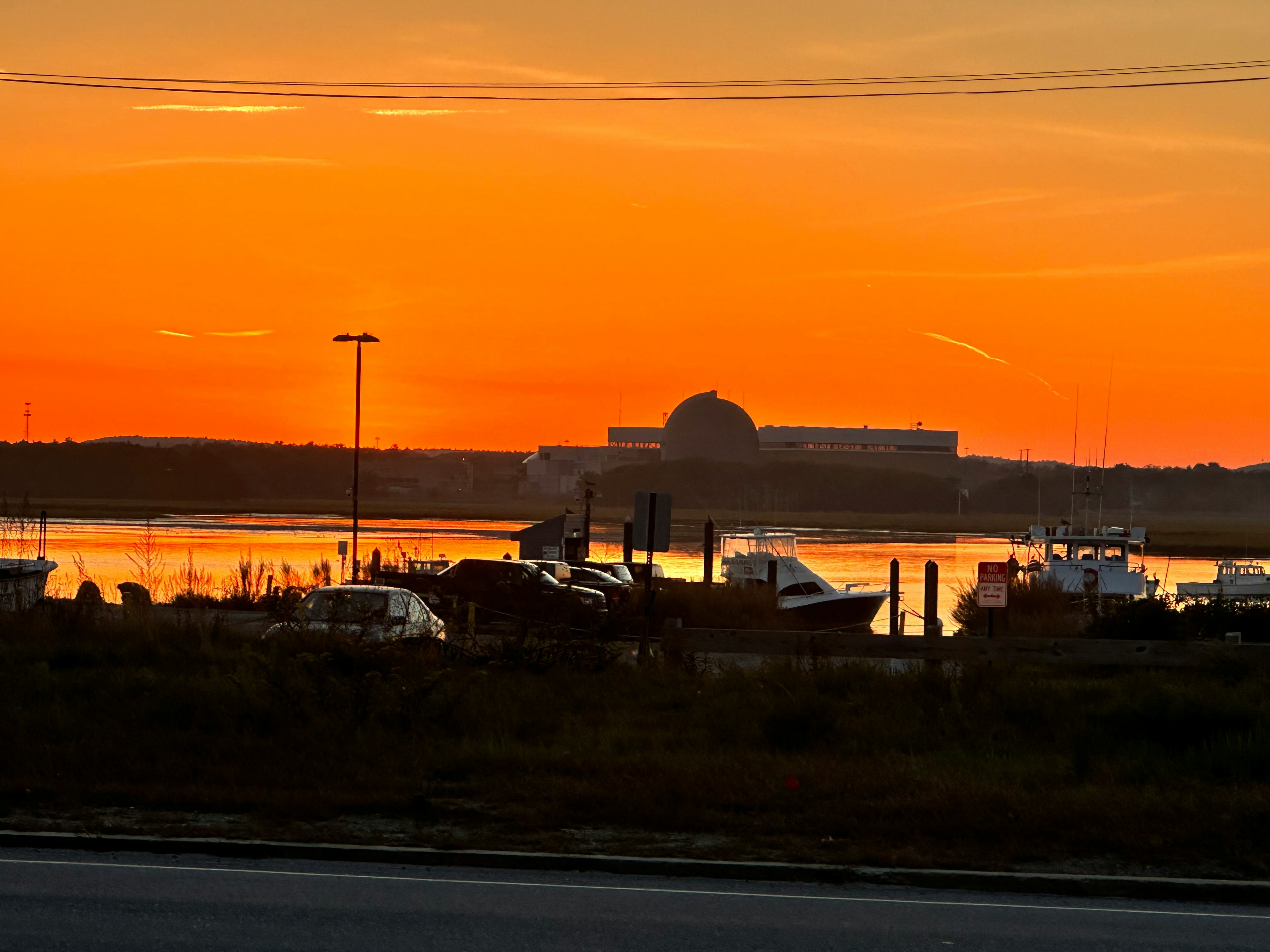
Drive or walk along Orca Inlet Road (near the ferry terminal) in the evening. This is a prime, free spot to look for Sea Otters, eagles, and dramatic sunsets reflected on the water. Bring a travel thermos with coffee or hot chocolate and simply enjoy the tranquility of the Sound.
38. Walk The Cordova Waterfront (Harbor Watching)
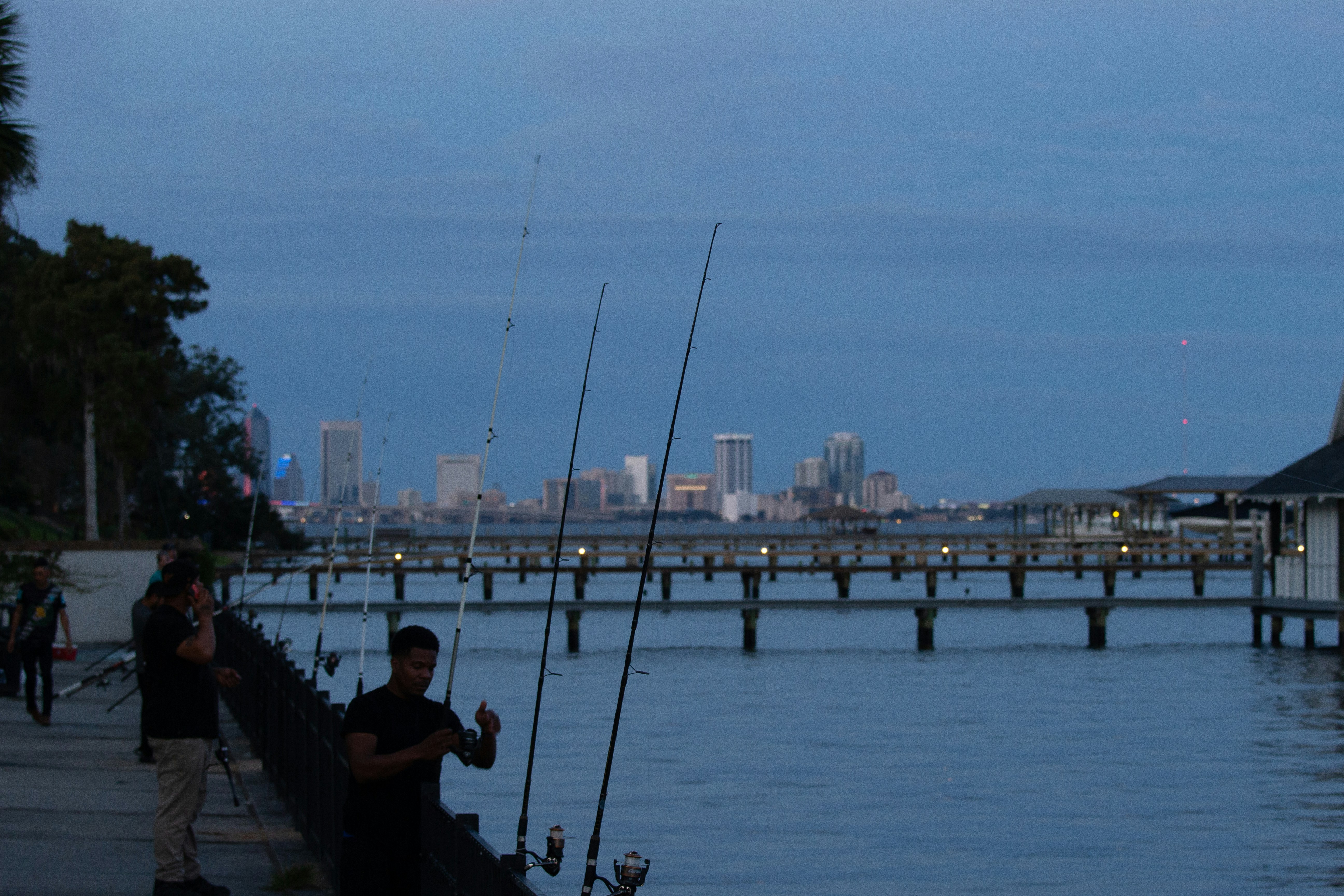
Stroll the docks and watch the activity of the working fishing fleet. Seeing the commercial fishermen (including the large, seasonal Filipino workforce) bring in their daily haul and offload the high-value salmon is a quintessential free Cordova experience and a unique glimpse into the engine of the local economy.
39. Visit The Cordova Library And Coffee Shops

Relax with a book, use the free public computers, or enjoy the community atmosphere at the local library or one of the cozy downtown coffee shops. These are excellent places to meet long-time residents and gather local insights, particularly about weather and fishing conditions.
40.Explore The Historic Odiak Slough
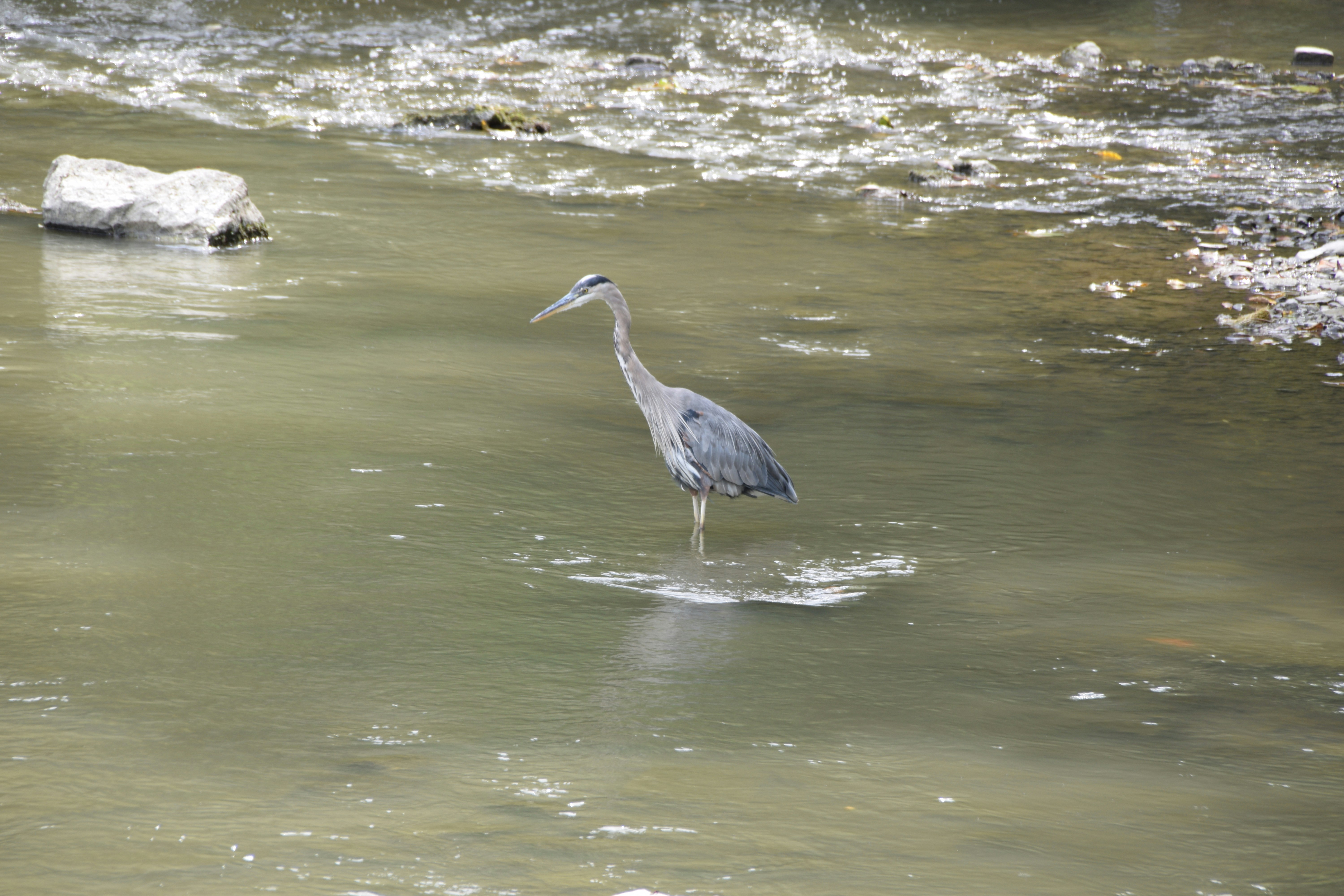
Walk or drive along the tidal flats near Odiak Slough, a key area for bird watching and history, as this area marks the original tidal connection to Eyak Lake and the historical development of the town's cannery operations.
Travel Responsibly In Cordova (Regenerative Tourism Tips)
Cordova encourages a regenerative tourism model where visitors leave the community better than they found it.
- Support Local:Prioritize locally owned businesses and guides. Book fishing charters, tours, and lodging directly with small operators to ensure your money stays in the community.
- Respect Commercial Fishing:Commercial and subsistence fishing are the town’s economic backbone. Never block docks, ramps, or access points to the processing plants. Ask before taking close-up photos of workers without permission.
- Wildlife Ethics:Follow all viewing protocols. Maintain recommended viewing distances for whales and marine mammals. Never chase, feed, or surround animals. Let trained guides manage approach distances.
- Fishing Regulations:Know and follow all Alaska Department of Fish and Game regulations and emergency orders, which can change daily, especially during salmon season.
- Trail and Habitat Etiquette:Stay on boardwalks and marked paths in the sensitive muskeg and wetland areas. Do not disturb shorebird roosting areas during migration (especially May).
- Pack It Out:Adhere to Leave No Trace principles. Pack out all trash, and dispose of fish waste safely and responsibly, away from town centers and camps.
Where To Stay In Cordova (Lodges, Hotels & Cabins)
Booking lodging early is essential, particularly for the busy summer season.
In-Town Hotels & Inns
- Harbor-Side Hotels:Simple, clean, and comfortable hotels/inns within walking distance of the harbor, museum, and coffee shops (e.g., The Reluctant Fisherman Inn). These offer the most convenient access to town amenities.
- Simple Motels & B&Bs: Other small, locally owned motels or bed-and-breakfasts offer personalized service and proximity to the main downtown attractions.
Adventure Lodges & Cabins
- Orca Adventure Lodge:Located a few miles outside of town in the historic Orca cannery complex. This lodge specializes in all-inclusive fishing, kayaking, and flightseeing packages, offering a truly unique, immersive experience right on the water.
- Private Cabins/B&Bs:Look for smaller cabins or B&Bs outside the town core that cater to the DIY angler and hiker looking for seclusion and self-catering options.
Public Cabins & Camping
- US Forest Service Cabins:Reserve these rustic, primitive cabins months in advance via Recreation.gov. Some are accessible by trail (e.g., McKinley Lake), while others require an air or boat charter. They are ideal for remote, multi-day self-sufficient trips.
- Camping:Limited options exist but inquire locally for designated areas and follow all fire and waste regulations.
The Ultimate 3-Day Cordova Itinerary (Summer Focus)
To help visitors structure their adventure, here is a logical flow that groups your 40 activities into a memorable, 3-day summer itinerary:
Day 1: Glacier & Delta Exploration (Copper River Highway)
- Morning: Glacier Charter:Take a full-day jet boat/air charter to see the Childs Glacier and Million Dollar Bridge.
- Afternoon: Sheridan Lake Hike:On the drive back, hike the easy trail to the Sheridan Glacier Outwash Lake for iceberg viewing.
- Evening: Delta Wildlife Drive:Drive the Copper River Delta Highway to spot moose and swans, then Chase Sunset Views at Orca Inlet.
Day 2: Fishing, Paddling, And Town Culture
- Morning: Salmon Fishing:Either book a full-day Halibut/Silver charter or spend the morning bank fishing for Sockeye on the Copper River.
- Afternoon: Town Exploration:Explore the Cordova Historical Museum and the Ilanka Cultural Center (Orca Skeleton, Indigenous Art).
- Evening: Harbor & Food:Walk the Waterfront to watch the fishing fleet unload, then grab dinner at The Reluctant Fisherman or catch a show at the Cordova Center.
Day 3: Chugach Hiking And Unique Finds
- Morning: Steep Hike Challenge:Hike the Heney Ridge Trail for panoramic views of Prince William Sound.
- Afternoon: Unique Finds:Look for Carnivorous Plants in the muskeg and search for Freshwater Seals in Eyak Lake.
- Evening: Recreation Center:Use the Bidarki Recreation Center for a swim in the saltwater pool before heading to dinner.
Where To Eat In Cordova (Copper River Salmon & Local Favorites)
A trip to Cordova is incomplete without experiencing the bounty of the sea that drives its economy.
Copper River Salmon Is The Must-Eat Item
Cordova is the home port where the Copper River fishing fleet lands the world-famous, high-fat Copper River Salmon (King, Sockeye, Coho), which is shipped globally. Eating it fresh here, within hours of it being caught, is an unparalleled culinary experience.
- The Reluctant Fisherman (Harbor Dining):A town favorite, offering high-quality Alaskan cuisine with a focus on perfectly prepared, ultra-fresh Copper River salmon and halibut dishes, all enjoyed with panoramic harbor views.
- Baja Taco (Casual Local Favorite):A local institution known for its fish tacos, burritos, and Mexican-inspired casual fare, often utilizing local seafood for a delicious, quick bite.
- Coffee Shops & Bakeries:Visit the local bakeries and coffee shops for fresh pastries, hot drinks, and a chance to chat with local residents and gather insider tips.
Frequently Asked Questions (FAQs) About Things To Do In Cordova
How Many Days Do I Need In Cordova?
It depends on your interests and weather tolerance. We recommend:
- 1–2 Days: To hit the major highlights (glacier lake, delta, museum).
- 3–4 Days: Ideal for a balanced trip that includes a major activity (fishing, long hike, day charter) and a weather buffer.
- 5+ Days: Best for dedicated anglers, birders, or those seeking remote backcountry trips.
Can I Still Visit Childs Glacier And The Million Dollar Bridge?
Yes, but not by car. The highway is washed out at Mile 36. To reach the glacier, you must book a specialized jet boat charter or air charter that travels up the Copper River.
Do I Need A Car In Cordova?
The main downtown area is walkable. However, if you plan to access the Copper River Highway, trailheads, or the Delta (which is recommended for wildlife viewing and hiking), a rental car or bike is very helpful. Car rentals are limited, so book well in advance.
Is Cordova Expensive To Visit?
Yes. As a remote town not connected to the road system, Cordova has a high cost of living. Quick budget tips include utilizing the USFS public cabins, camping where allowed, cooking some meals, and walking/biking where possible. Book flights and lodging early.
Is Cordova A "bear Aware" Destination, And What Precautions Should I Take?
Yes, Cordova is located in prime brown and black bear country, particularly near salmon streams on the Copper River Delta. Always carry bear spray and know how to use it, travel in groups, make noise while hiking ("Hey bear!"), and never approach or feed any wildlife. Check with the Forest Service for current bear activity before venturing out.
Where Can I Rent Gear For Outdoor Activities In Cordova?
Since Cordova is highly focused on adventure, several local outfitters provide gear rentals. You can rent mountain bikes, fat bikes, kayaks, canoes, and fishing gear from local businesses like Cordova Gear or Cordova Coastal Outfitters. It is highly recommended to reserve rental equipment and Forest Service Cabins (if desired) in advance, especially during the summer season.
Conclusion
Cordova, Alaska, is a singular destination where rugged wilderness meets a vibrant, resilient fishing community. Its isolation, accessible only by air or sea, is not a barrier but a gateway to a protected world of intense natural beauty and unique experiences. Defined by its incredible commercial fishing economy and shaped by historical events like the Exxon Valdezspill, the town offers a profound connection to the wild.
From the adrenaline rush of charter fishing for the legendary Copper River Salmon and hiking to calving glaciers, to the quirky tradition of racing in survival suits during the Ice worm Festival, Cordova promises adventure, culture, and a deep, authentic look at the last frontier.
Jump to
Your Essential Guide To Things To Do In Cordova, Alaska
Key Takeaways
Top 5 Must-Dos & Quick Orientation
Cordova, Alaska At A Glance (Location, Vibe & Access)
Best Time To Visit Cordova (Weather, Seasons & Festivals)
Cordova’s Indigenous Roots & Living Culture
Things To Do In Cordova In Summer (May – September)
Things To Do In Cordova In Winter (October – April)
All Year Cultural & Civic Activities
Travel Responsibly In Cordova (Regenerative Tourism Tips)
Where To Stay In Cordova (Lodges, Hotels & Cabins)
The Ultimate 3-Day Cordova Itinerary (Summer Focus)
Where To Eat In Cordova (Copper River Salmon & Local Favorites)
Frequently Asked Questions (FAQs) About Things To Do In Cordova
Conclusion
Latest Articles
Popular Articles