Planning A Fishing Trip To Homer Alaska | The Best Of 2025
The salty air, the distant cry of gulls, and the promise of a fight with a "barn door" halibut—there's a certain magic to fishing in Homer, Alaska. It’s more than just a trip; it’s a pilgrimage for anglers.
Aug 23, 202530.8K Shares427.8K Views
Planning Your Homer, Alaska Fishing Adventure: Everything You Need To Know
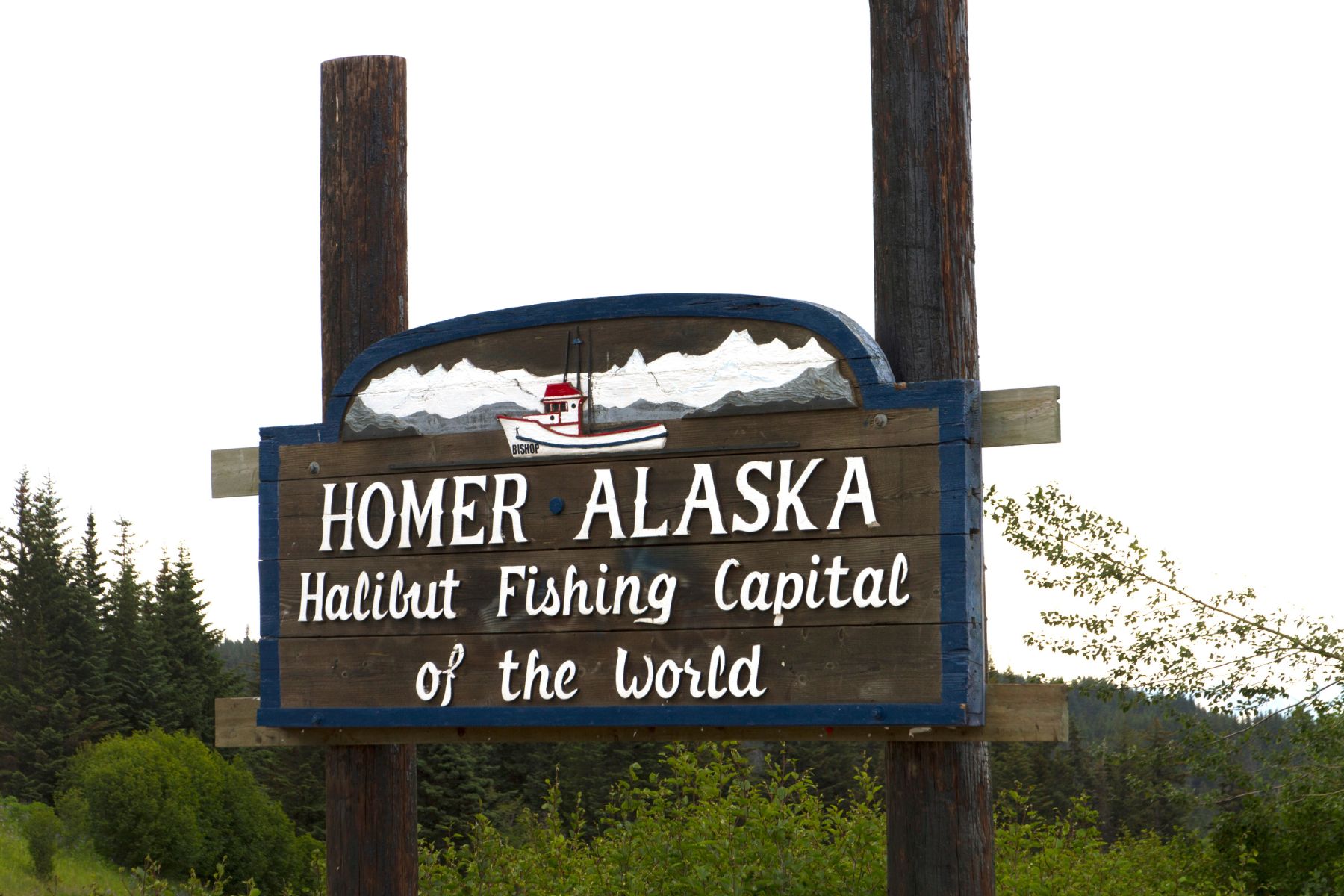
Homer, Alaska, sits at the end of the Sterling Highway like a crown jewel waiting for fishing lovers. This small town calls itself the "Halibut Capital of the World" for good reason - the waters here hold some of the biggest halibut you can catch anywhere.
But planning a fishing trip to Homer takes more than just showing up with a rod. The weather changes fast, the tides are huge, and you need to know when fish run best. Many people spend thousands of dollars only to fish at the wrong time or miss key planning steps that could make their trip amazing.
You'll learn when to go, how much to budget, what to pack, and insider tips that most visitors never discover. By the time you finish reading, you'll know exactly how to turn your Homer fishing dreams into the trip of a lifetime.
Key Takeaways
- Best fishing months: May through September, with peak halibut season from mid-May to the end of September
- Budget planning: Expect $300-500 per person for charters, plus $15-75 for fishing licenses
- Book early: Popular charters fill up months ahead, especially for summer dates
- Pack layers: Weather changes quickly on the water - bring rain gear and warm clothes
- Charter types: Half-day trips work for beginners, full-day trips catch bigger fish
- Fish processing: Plan $3+ per pound to vacuum pack and ship fish home
- Peak times: June through August offer the best weather and fish variety
Why Homer Is Alaska's Best Fishing Spot
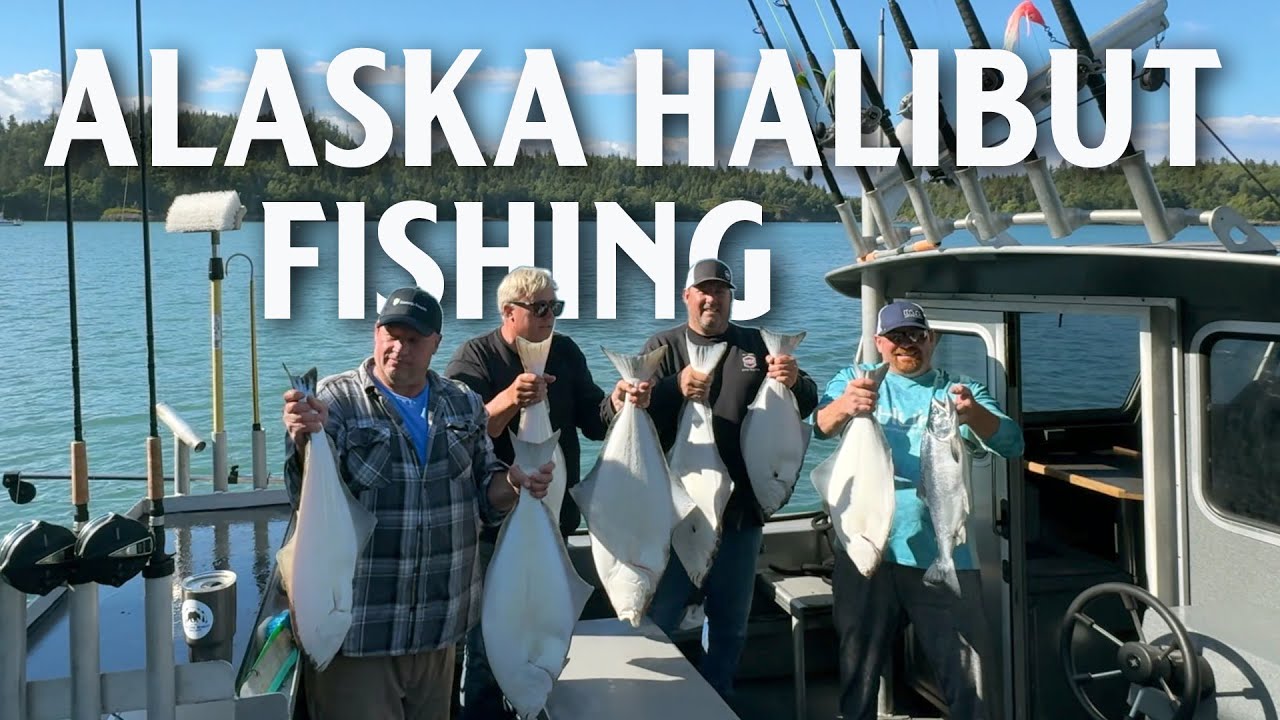
Fishing the Halibut Capital of the World: Homer, Alaska
The Halibut Capital Advantage
Homer earned its "Halibut Capital of the World" title through pure fishing power. Halibut remain deep and further offshore during the winter months and will start to migrate back into Kachemak Bay & Cook Inlet starting in March & April. By May, there is a lot of halibut in our waters.
The waters around Homer hold halibut that can weigh over 400 pounds. These giant flatfish live in the deep waters of Cook Inlet and Kachemak Bay, where strong currents bring in lots of food. The fishing here stays good all season because new fish keep moving through.
Local charter captains know exactly where to find fish on any given day. They read the tides, weather, and fish patterns like a book. This local knowledge means your chances of catching fish are much higher than fishing on your own.
Different Fish Species Throughout The Season
Homer offers more than just halibut. Peak season for salmon fishing occurs from May through September, with the five major species spread across the season. King Salmon fishing begins in May, and you can continue fishing for Silver Salmon through November.
You can catch all five types of Pacific salmon here: King, Silver, Red, Pink, and Chum. Each type runs at different times, so there's always something biting. Feeder (or "winter") king salmon are targeted year-round, with "spawners" found in the fishery from roughly May through August.
Other fish you might catch include lingcod, rockfish, and various bottom fish. This variety means even if one type isn't biting, you'll likely catch something else.
You Might Like: Brown Bears Fishing For Salmon In Alaska
Easy To Reach With World-Class Waters
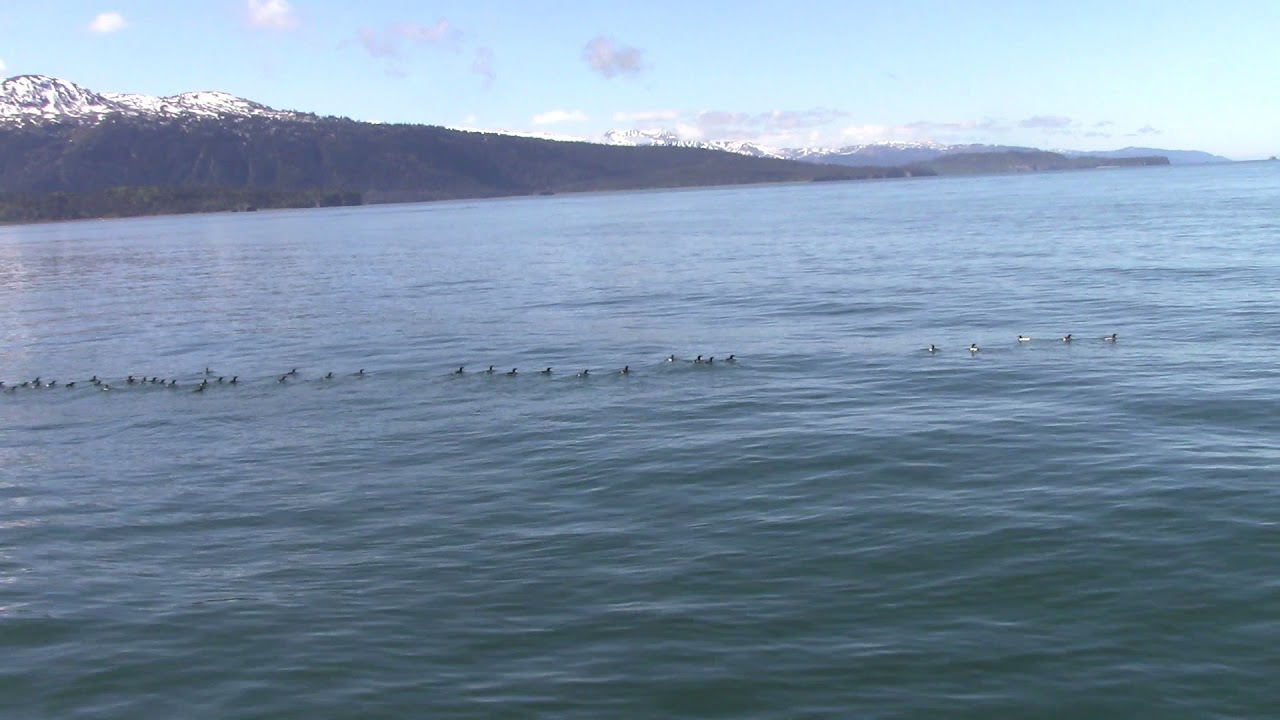
Kachemak Bay, Alaska
Homer sits at the end of the road system, making it easy to drive to from Anchorage. The four-hour drive takes you through some of Alaska's most beautiful scenery. You can also fly into Homer if you prefer.
Once you're here, everything centers around the famous Homer Spit. This 4.5-mile stretch of land sticks out into Kachemak Baylike a natural pier. Most charter boats leave from harbors on the Spit, and you'll find restaurants, shops, and hotels all within walking distance.
Planning Your Homer Fishing Trip
Peak Season Breakdown (May-September)
The best time to go halibut fishing in Homer, Alaska, is during the summer months, from May to September. This period offers the most favorable weather conditions and the highest chances of a successful fishing trip.
May brings the start of serious fishing. The weather can still be cool and windy, but fish numbers are building. This is when you'll find the best deals on charters and lodging.
June and July offer the best combination of weather, fish numbers, and long daylight hours. Expect 18-20 hours of daylight during peak summer. These months book up fastest.
August continues excellent fishing with slightly cooler weather. Storm chances increase later in the month. If you are going in groups, you could join an anonymous chatto preselect a family with the same interests.
September offers great fishing with fewer crowds. The weather becomes more unpredictable, but fish are still active.
Month-by-Month Fishing Calendar
May: Anglers can target kings from May through early July. Halibut fishing picks up as fish move into shallow water. Charter prices are lowest.
June: All species become active. Halibut fishing hits its stride. The weather improves, but it can still be rainy.
July: Peak season for most species. As for Halibut, you can't catch them in January, on Wednesdays, or Tuesdays from mid-July to mid-August. Note the Wednesday and Tuesday closures during mid-July to mid-August.
August: Excellent fishing continues. Silver salmon runs begin. The weather starts becoming more variable.
September: Great fishing with fewer people. Silver salmon fishing peaks. Storm chances increase.
Weather And Planning Around Conditions
Homer's weather changes fast. Mornings might start calm and sunny, then turn windy and rainy by afternoon. The tides in Homer are the second largest in the world. At times, there is 25 feet of water moving through Kachemak Bay and Cook Inlet in 6 hours.
These huge tides affect when and where you fish. Strong currents during big tides can make fishing harder in some spots but better in others. Good captains know how to use tides to find fish.
Pack for all weather conditions. Even on sunny days, it can be cold and wet on the water. Rain gear is essential, not optional.
Essential Steps Before Your Trip
Getting Your Alaska Fishing License
You must have a valid Alaska fishing license before you fish. Fishing licenses cost $15 – $75, and king stamps range from $15 – $75, depending on the number of days on your license.
Buy your license online at the Alaska Department of Fish and Game websitebefore you arrive. This saves time and ensures you don't forget. You'll need the license number when booking some charters.
If you plan to keep king salmon, you need both a license and a king stamp. The stamp costs extra but lets you keep these valuable fish.
Bring a printed copy of your license and keep it with you while fishing. Digital copies work too, but printed ones are safer if your phone gets wet.
Picking The Right Charter Service
Homer has dozens of charter companies, but they're not all the same. Look for these things when choosing:
Experience: Companies that have been around longer know the waters better. Homer Ocean Charters has been fishing for halibut out of Homer since 1979!
Boat condition: Well-maintained boats are safer and more comfortable. Look at photos and read recent reviews.
Captain's knowledge: Good captains know where fish are and how to help you catch them. They also make the trip more fun with stories and local knowledge.
What's included: Some charters include bait, tackle, and fish cleaning. Others charge extra for these services.
Group size: Smaller groups often catch more fish per person and get more attention from the crew.
Booking Places To Stay In Homer
Homer offers everything from luxury lodges to basic motels. Book early, especially for the summer months. Popular places fill up 6-12 months ahead.
On the Spit: Staying on Homer Spit puts you close to charter boats and restaurants. It's convenient but can be busy and touristy.
In town: Homer proper offers more dining options and a local atmosphere. You'll need to drive or walk to the Spit for fishing.
Outside town: Cabins and B&Bs outside town cost less and offer more privacy. You'll need a rental car.
Consider booking places that offer fish freezing and processing services. Many lodges have relationships with local processors.
Getting To Homer And Getting Around
Most people drive to Homer from Anchorage. The 226-mile trip takes about 4 hours on good roads. Rental cars are available in Anchorage and Homer.
Flying is faster but more expensive. Small planes fly daily from Anchorage to Homer. Book flights early for summer travel.
Once in Homer, you can walk to most Spit attractions. Rental cars help if you're staying outside town or want to explore the area.
Uber and taxis are limited. Plan transportation to your charter boat ahead of time, especially for early morning trips.
Budgeting Your Homer Fishing Trip
Charter Costs And What's Included
Our fishing charters range from $300 – $500 per person, depending on the length, type of trip, and date of excursion. Half-day trips typically cost $300-400 per person, while full-day trips run $400-500.
What's usually included:
- Bait and tackle
- Use of rods and reels
- Fish cleaning and filleting
- Ice for your catch
- Safety equipment
What costs extra:
- Fishing licenses
- Tips for crew (15-20% is standard)
- Fish processing and shipping
- Food and drinks
- Rain gear rental
Until June 9th, we have an "early bird special" of $295 per person for a halibut and king salmon combo. Look for early-season deals if you can handle cooler weather.
Hidden Costs To Plan For
Many people forget about the costs that come after catching fish. Getting your fish home can be expensive, at least $3 per pound for vacuum packing and shipping.
Fish processing costs:
- Vacuum packing: $1-2 per pound
- Freezing: Usually included with processing
- Shipping: $3-5 per pound, depending on distance
Other hidden costs:
- Parking at harbors: $5-10 per day
- Meals on the Spit: $15-25 per person
- Rain gear if you don't have it: $50-150
- Coolers for transporting fish: $30-100
Money-Saving Tips For Budget Fishers
Book early: Many charters offer discounts for bookings.
Fish in May or September: Shoulder season rates are 20-30% lower than peak summer.
Share processing costs: Split large fish processing orders with other fishers.
Bring your gear: Some charters charge less if you bring rods and tackle.
Consider half-day trips: If you're new to fishing, half-day trips cost less and still provide great experiences.
Pack your food: Eating on the boat saves money compared to Spit restaurants.
What To Pack For Homer Fishing
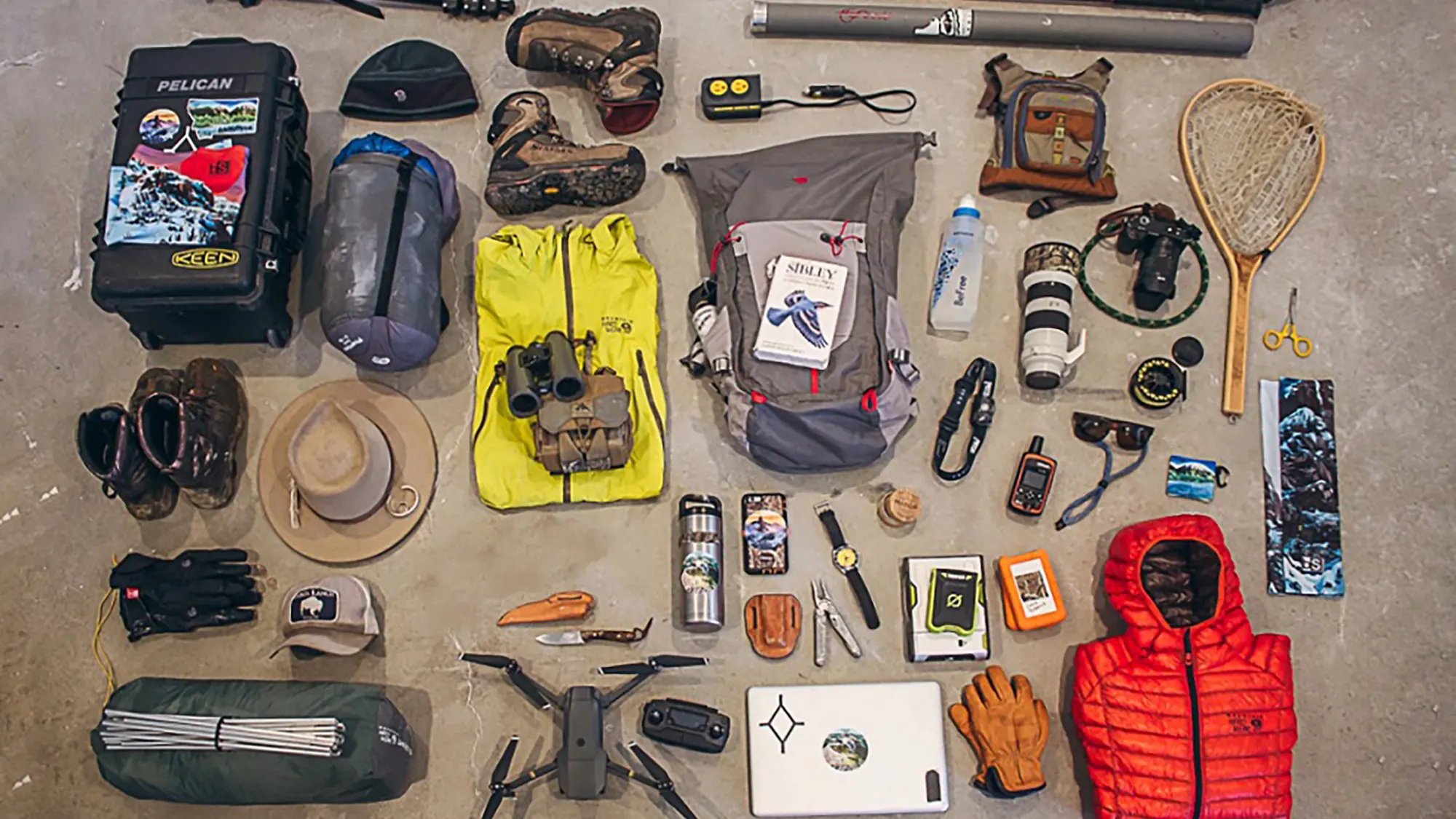
Essential Clothing And Weather Gear
Layer your clothing for changing conditions. Start with a moisture-wicking base layer, add an insulating middle layer, and top with waterproof outer gear.
Must-have items:
- Waterproof jacket and pants
- Warm hat that stays on in the wind
- Waterproof gloves
- Non-slip boots with good grip
- Sunglasses and sunscreen
- Warm fleece or down jacket
Clothing materials: Avoid cotton, which stays wet and cold. Choose synthetic materials or merino wool that dry quickly and keep you warm even when damp.
Sizing tip: Buy rain gear one size larger than normal. This lets you layer underneath and move freely while fishing.
Fishing Equipment Decisions
Most charters provide all fishing gear, but bringing your own has advantages. You know how your gear works, and it's set up how you like it.
If bringing gear:
- Heavy action rods (30-50 lb class minimum)
- Strong reels with smooth drags
- Various weights (8-32 oz pyramid sinkers)
- Circle hooks in multiple sizes
- Extra line and leader material
Let the charter provide: Expensive items like electric reels for deep water fishing. These cost $500+ and most people only use them once.
Personal Items And Comfort Essentials
For seasickness:
- Motion sickness medication (take before the trip)
- Ginger candy or tablets
- Sea bands for your wrists
- Light snacks like crackers
Other essentials:
- Waterproof phone case
- Camera in waterproof housing
- Cash for tips
- Cooler with ice for your catch
- Towels for cleaning up
Types Of Fishing Experiences In Homer
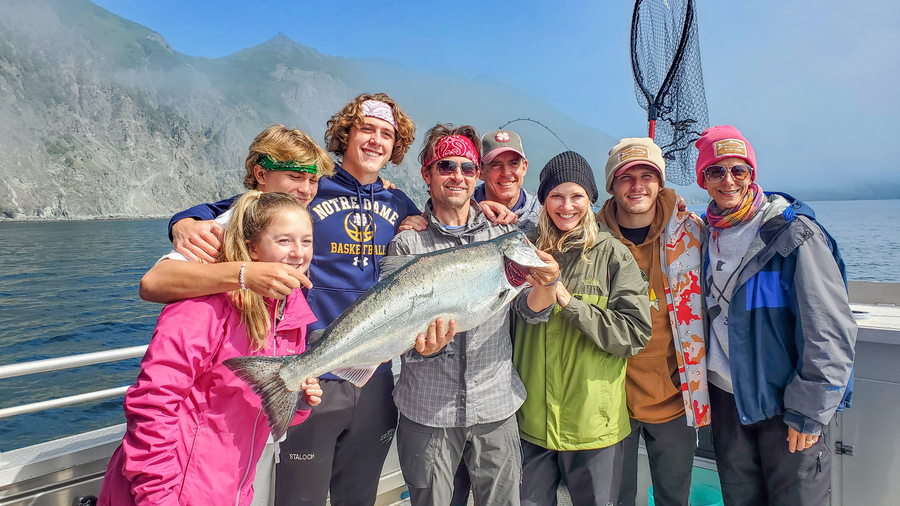
Half-Day Vs Full-Day Charters
Half-day trips (6-8 hours)work well for beginners or families with young kids. You'll typically fish closer to shore in protected waters. These trips cost less and are less tiring.
Full-day trips (10-12 hours)go further offshore where bigger fish live. You have more time to fish multiple spots and try different techniques. Full-day trips catch more and larger fish on average.
Most first-time visitors choose half-day trips and wish they had booked a full-day trip. The extra time and distance make a big difference in fish size and numbers.
Multi-Day Fishing Adventures
Some companies offer 2-3 day packages that include lodging, meals, and multiple fishing trips. These packages cost more upfront but often save money compared to booking everything separately.
Multi-day trips let you fish different areas and target different species. If the weather ruins one day, you have other chances.
Shore Fishing And DIY Options
The Nick Dudiak Fishing Lagoon (also known as The Fishing Hole) is stocked with both kings and silvers. This lagoon offers good shore fishing without needing a boat.
Shore fishing costs much less than charters, but limits where you can fish. You'll catch smaller fish on average, but it's a good way to try Alaska fishing on a budget.
The Homer Spit also offers good fishing from shore, especially during salmon runs. Local tackle shops can point you to current hot spots.
Making Your Fishing Trip Successful
Understanding Homer's Best Fishing Spots
For Halibut fishing, preferably the larger tides for fishing the shallow water in the kelp beds, and the smaller tides for fishing the deeper waters of this area.
Kelp beds: Shallow areas with lots of kelp hold baitfish, which attract halibut and salmon. These spots fish best during bigger tides.
Deep channels: Deeper water holds bigger halibut but requires different techniques and stronger currents.
Structure areas: Underwater rocks, reefs, and drop-offs concentrate fish. Good captains know these spots from years of experience.
Techniques For Halibut And Salmon
Halibut fishing: Usually involves bottom fishing with heavy weights and large baits. Herring, octopus, and salmon heads work best. Keep your bait on the bottom and wait for the bite.
Salmon fishing: Trolling with lures or bait at various depths. Different salmon speciesprefer different depths and speeds. Your captain will adjust based on what's biting.
General tips:
- Set your hook hard on halibut - they have tough mouths
- Keep steady pressure when fighting fish
- Let your captain net the fish - don't try to grab them
Working Well With Your Charter Captain
Good captains want you to catch fish - it's good for their business and reputation. Help them help you by:
Following instructions: Captains know these waters better than you do. Listen to their advice about techniques and safety.
Staying positive: Fishing has slow periods. Keep a good attitude and be ready when fish start biting.
Being safe: Follow all safety rules without arguing. The ocean is dangerous, and captains are responsible for your safety.
Asking questions: Most captains enjoy sharing their knowledge about fishing and the local area.
Beyond Fishing: Making The Most Of Homer
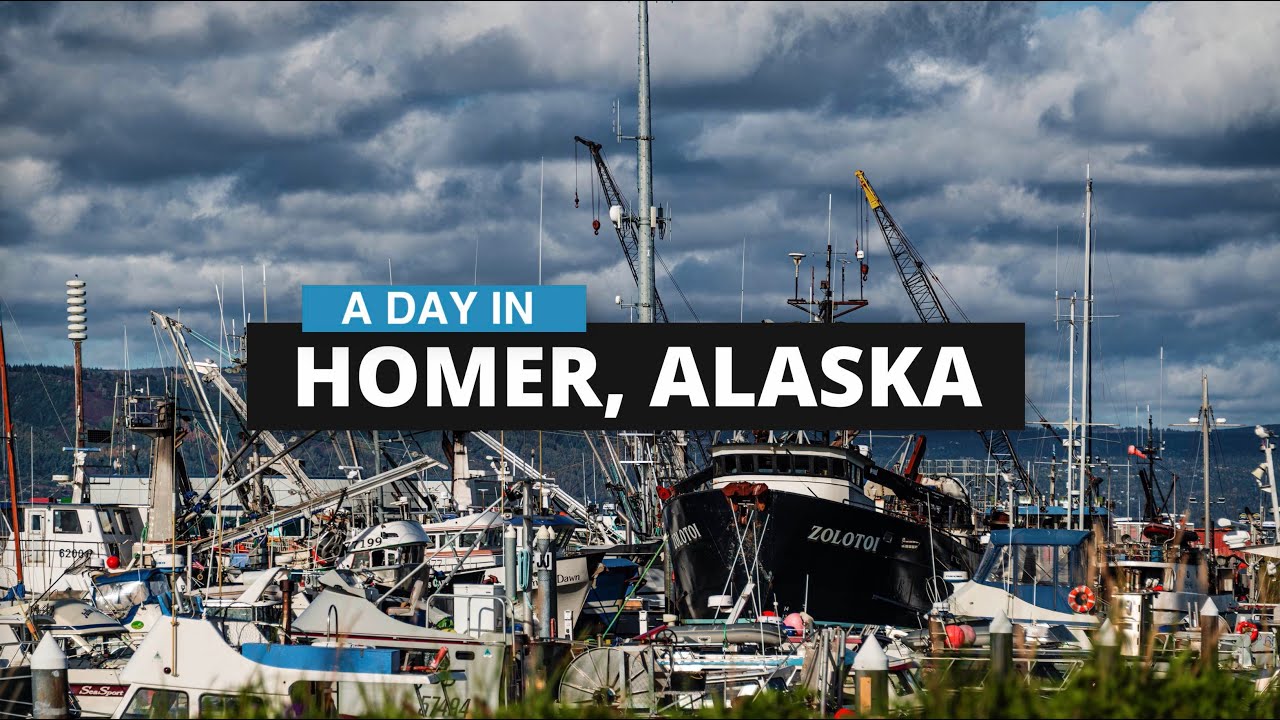
A day in Homer, Alaska ( 4K HD )
Local Attractions And Activities
Homer offers plenty to do when you're not fishing. The Pratt Museum showcases local history and culture. The Alaska Islands and Ocean Visitor Center teaches about marine life.
Artists and galleries line Pioneer Avenue in downtown Homer. The town has a strong arts community with unique local crafts and paintings.
Hiking trails around Homer offer great views of Kachemak Bay and the Kenai Mountains. The Bishop's Beach walk is easy and beautiful.
Dining And Local Seafood Experiences
Homer restaurants serve some of Alaska's freshest seafood. Many will cook your catch for dinner - a great way to enjoy the fish you caught that day.
The Spit has casual restaurants perfect for a quick meal between activities. Downtown Homer offers more upscale dining with local ingredients.
Don't miss trying Alaska king crab, fresh oysters from Kachemak Bay, and locally brewed beer. Many restaurants feature fish caught by local boats just hours before serving.
You Might Like: Best Activities And Attractions To Experience In Alaska
FAQs About Planning A Fishing Trip To Homer, Alaska
Do I Need A Fishing License For Charter Trips?
Yes, everyone fishing in Alaska waters needs a valid Alaska fishing license, even on charter boats. Fishing licenses cost $15 - $75, and king stamps range from $15 - $75, depending on the number of days on your license. Buy your license online before arriving to save time.
What's The Best Month To Visit Homer For Fishing?
The best time to go halibut fishing in Homer, Alaska, is during the summer months, from May to September. June and July offer the best weather and fish variety, but May and September provide good fishing with lower prices and fewer crowds.
How Much Should I Budget For A Homer Fishing Trip?
Plan $300-500 per person for charters, plus $15-75 for licenses, $50-100 per night for lodging, and $3+ per pound for fish processing. A typical 3-day trip for two people costs $1,500-2,500, including food and lodging.
What Happens If The Weather Cancels My Charter?
Reputable charter companies will reschedule or refund your trip if weather makes fishing unsafe. Book with companies that have flexible cancellation policies. Consider trip insurance if you're traveling from far away.
Can I Bring My Fishing Gear?
Most charters provide all gear, but you can bring your own. Heavy action rods (30-50 lb class) work best for halibut. If bringing gear, tell your charter company ahead of time.
How Do I Get My Fish Home?
Local processors will vacuum pack, freeze, and ship your fish. Most processors will hold your fish until you're home, and then ship it to you via 2-day FedEx. Expect to pay $3+ per pound for processing and shipping.
Are There Size Limits On Fish I Can Keep?
The limit on Halibut in this area is two per day. One of these fish can be any size, but the second must be under a certain size (limits change yearly). Your charter captain will know current regulations.
What Should I Bring For Seasickness?
Take motion sickness medication before boarding - it works better as prevention than treatment. Bring ginger tablets, light snacks, and consider sea bands. Eat a light breakfast and avoid alcohol the night before.
How Far In Advance Should I Book My Charter?
Popular summer dates book 6-12 months ahead. May and September trips can often be booked 1-3 months ahead. Book early for the best selection of companies and dates.
Is Tipping Expected On Charter Boats?
Yes, tip your crew 15-20% of the charter cost for good service. If they work extra hard or you have exceptional luck, tip more. Bring cash since many boats can't process credit card tips.
Final Thoughts
Homer offers some of the world's best fishing in one of America's most beautiful settings. The combination of huge halibut, multiple salmon species, and expert local guides creates fishing experiences you'll remember forever.
Success comes from good planning. Book early, pack right, and choose experienced charter companies. Don't forget the details like licenses, weather gear, and fish processing that can make or break your trip.
The money you spend on a Homer fishing trip pays for more than just catching fish. You're buying memories, stories, and maybe the biggest fish of your lifetime. When you're standing on the deck holding a 100-pound halibut, you'll understand why people travel from around the world to fish these waters.
Start planning your Homer fishing adventure today. The fish are waiting, the captains are ready, and Alaska's "Halibut Capital of the World" is calling your name.
Jump to
Planning Your Homer, Alaska Fishing Adventure: Everything You Need To Know
Key Takeaways
Why Homer Is Alaska's Best Fishing Spot
Planning Your Homer Fishing Trip
Essential Steps Before Your Trip
Budgeting Your Homer Fishing Trip
What To Pack For Homer Fishing
Types Of Fishing Experiences In Homer
Making Your Fishing Trip Successful
Beyond Fishing: Making The Most Of Homer
FAQs About Planning A Fishing Trip To Homer, Alaska
Final Thoughts
Latest Articles
Popular Articles