Deadhorse Alaska: Dalton Highway & Arctic Ocean Guide
Thinking about Deadhorse Alaska? See if the Dalton Highway drive is worth it in 2025 with honest advice on weather, safety, Arctic Ocean tours, and more.
Dec 07, 2025396 Shares35.9K Views
Deadhorse Alaska Travel Guide: What To Expect At The End Of The Dalton Highway
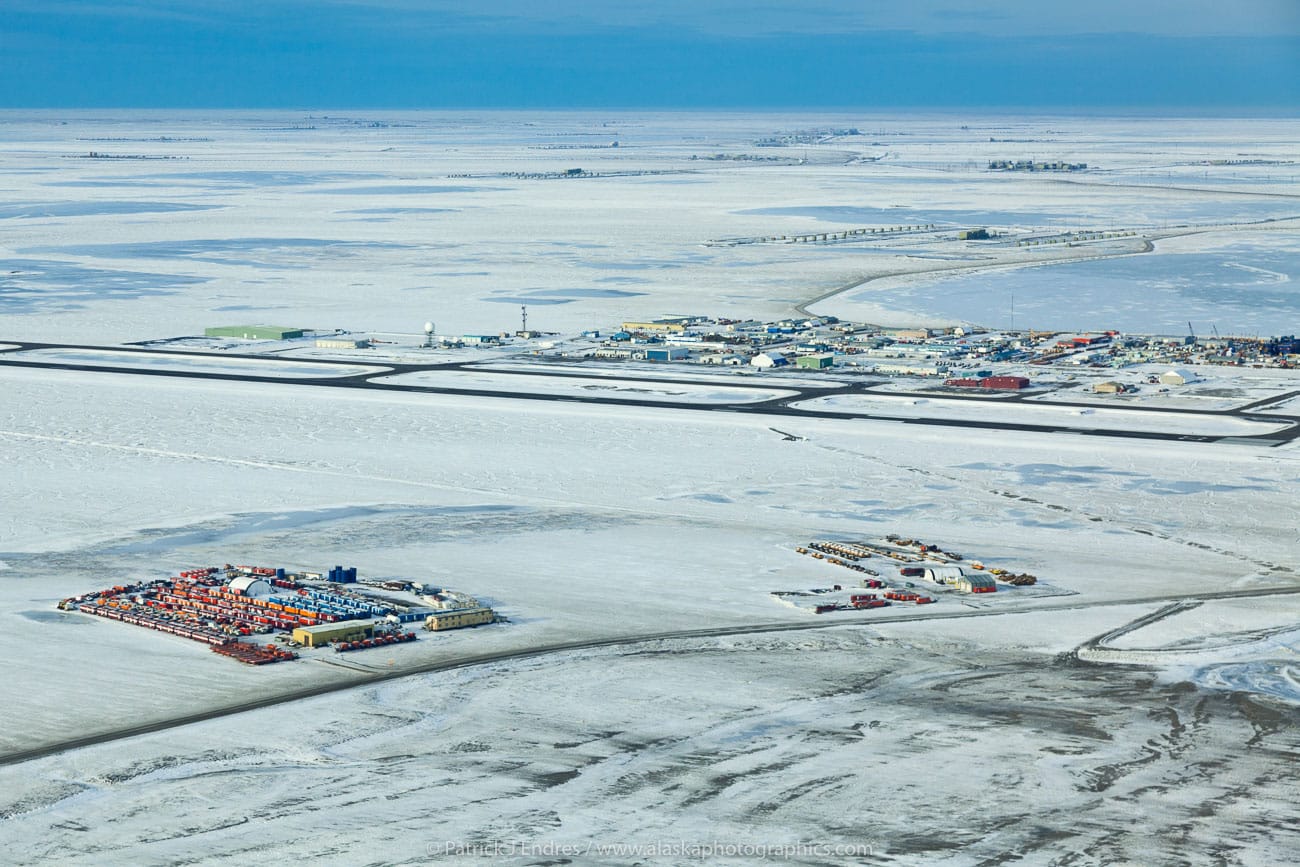
If you trace the Dalton Highway north on a map, the line ends at a compact industrial cluster called Deadhorse, Alaska.
That name alone raises key questions: What is actually there? Is it just oil infrastructure? How bad is the weather, and is it really worth going that far to reach the end of the road?
Deadhorse Alaska, is not a conventional town but a remote industrial settlement built to support the Prudhoe Bay oil field at the very top of Alaska’s road system.
Extreme climate, heavy logistics and the psychological pull of “the end of the road” make it a very specific kind of destination that demands clear expectations before you go.
Key Takeaways
- It’s Not a Town: Deadhorse is an industrial camp. There are no houses, schools, or permanent residents only rotational workers.
- You can’t drive to the Ocean: The Arctic Ocean is behind a security checkpoint. You must book a specific shuttle tour to touch the water.
- The Road is the Destination: The drive up the Dalton Highway is spectacular; the destination itself is starkly industrial.
- Summer Only: Unless you are a professional expeditioner, plan your visit between late May and early September.
What Actually Is Deadhorse?
Deadhorse is often confused with Prudhoe Bay, and while they are geographically adjacent, the distinction matters.
- Prudhoe Bayis the massive oil field complex operated by companies like Hilcorp and ConocoPhillips. It is private property, heavily guarded, and strictly off-limits to the public.
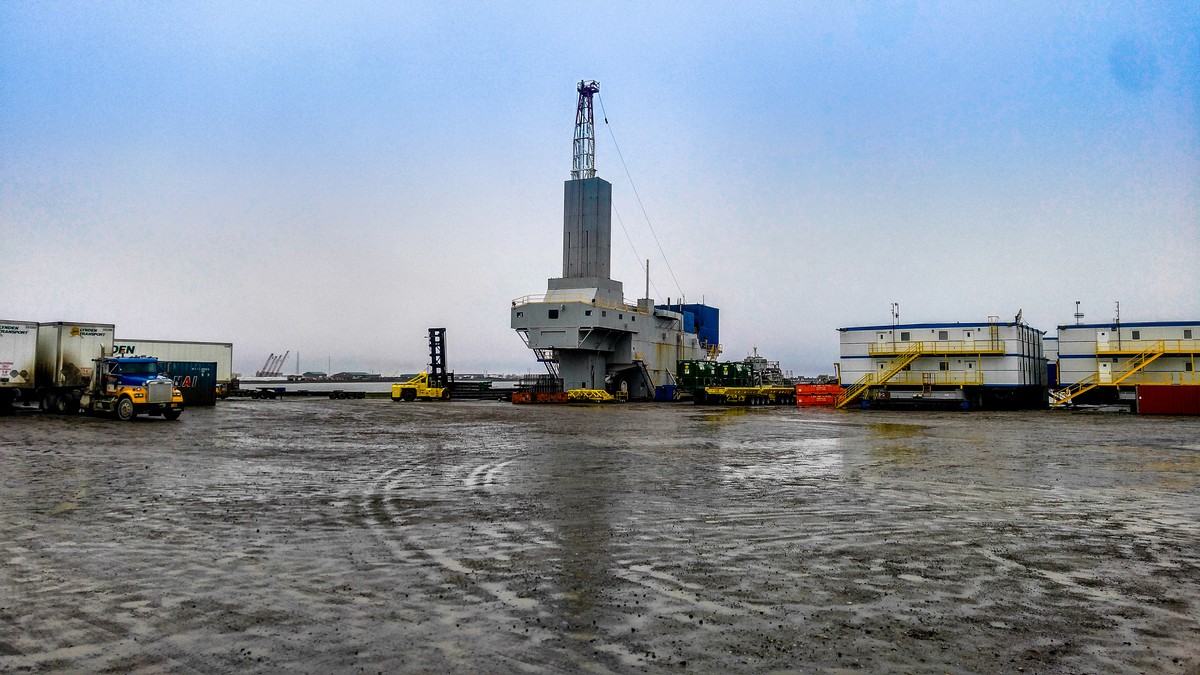
- Deadhorseis a small public-access support hub next to the oil field. It consists of a few hotels, a general store, an airport, and a massive amount of industrial equipment.
There is no Main Street. There are no sidewalks. The architecture is "Arctic Modular" buildings raised on stilts to prevent their heat from melting the permafrost below. When you arrive, you will see rows of pickup trucks plugged into heater posts to keep their engines from freezing.
Population And How Town Life Actually Works
Population figures for Deadhorse can be confusing because they describe different realities. On paper, the permanent resident count is small, normally given as a few dozen people. That number reflects those who are officially registered as living there year-round.
The lived population is much larger because of the rotational workforce serving the Prudhoe Bay oil field and related operations.
Several thousand workers may be present at any time, arriving by plane on set rotations, living in camp housing while on shift, and then departing for time off elsewhere.
Daily life is structured around that shift system rather than around a conventional town rhythm. People sleep, eat and relax in camp-style lodges with cafeterias and common rooms.
Their days are organized around long work shifts, safety meetings and transport to and from industrial sites. Interaction happens mostly in dining halls, lounges and gyms rather than on streets, in parks or in independent cafes.
For a visitor, this means you are not entering a self-contained community with its own independent social life. You are stepping briefly into a functioning industrial base camp.
Climate, Weather And Seasons On The North Slope
Any careful plan that involves going as far as Deadhorse has to start with the climate. When people search for information about Deadhorse weather, they often underestimate how different it is from the rest of Alaska, let alone from more temperate regions.
Climate In Broad Strokes
Deadhorse has a tundra climate. Winters are long, dark and very cold. Summers are short and cool rather than warm. The annual average temperature sits well below freezing, and for much of the year, ice and snow are normal.
Even in the warmest period, typical daytime highs only reach the low tens Celsius or the 40s to low 50s Fahrenheit. Nights often dip into single digits or near freezing.
Precipitation is relatively low, but there can be frequent snow, blowing snow and low cloud in the colder months. Wind on the open plain increases the effective chill and can make conditions feel more severe than the raw numbers suggest.
The safest assumption is that you will be dealing with freezing or near-freezing temperatures and wind on at least part of your visit, even in mid-summer. Packing and planning should be built around that.
Light: Midnight Sun And Polar Night
The extreme latitude affects daylight as much as temperature. In early summer, Deadhorse experiences weeks of continuous daylight. The sun does not truly set but circles the horizon, leading to bright conditions at all hours.
In early winter, the reverse happens: the sun fails to rise above the horizon for a prolonged period, and the brightest part of the day is a muted, twilight-like glow.
Both phases have practical implications. Continuous daylight in summer can disrupt sleep if you are not used to it, so eye masks or good curtains help.
Polar darkness in winter requires comfort with operating, travelling and working in low light, and demands more care with visibility and fatigue.
Best Time To Visit
If you combine temperature, daylight and access, the most practical window for most visitors is late June through August, with July and the first half of August generally offering the most balanced conditions.
In that period, the Dalton Highway is usually free of deep winter snow. Conditions can still be muddy, dusty or rough, but you are not fighting full winter road hazards.
The North Slope has its brief warm season, with daytime temperatures that are uncomfortable rather than dangerous if you are properly clothed. Tour operators and Arctic Ocean shuttles generally run their most regular schedules in this window.
Outside it, travel quickly becomes more specialized. Spring and autumn can bring freeze–thaw cycles, storms and rapidly changing conditions. Winter requires serious cold-weather experience, specialized equipment and a higher tolerance for risk and delay.
Is Deadhorse Worth Visiting?
Whether a trip to Deadhorse is worth it depends less on the place itself and more on what you want from your time in Alaska. It is important to be clear about that before committing to the extra distance.
If your primary goal is to reach the furthest practical end of Alaska’s road system, to see directly how a major oil field operates in Arctic conditions, and to have even a brief encounter with the Arctic Ocean, then Deadhorse offers exactly that. The reward in that case is psychological and experiential rather than scenic in a conventional sense.
If, on the other hand, your main interest is dramatic landscapes, wildlife viewing and varied day-to-day experiences, you may find that the Dalton Highway up to the Brooks Range already delivers what you had imagined.
The Yukon River crossing, the Arctic Circle sign, Coldfoot and Wiseman, the climb over Atigun Pass and the first look at the North Slope tundra give most people a strong sense of “the far north” without the additional commitment to reach Deadhorse itself.
Ways To Get To Deadhorse
There are three realistic approaches to reaching Deadhorse: driving the Dalton Highway, flying in, or combining the two with a guided tour.
Driving The Dalton Highway
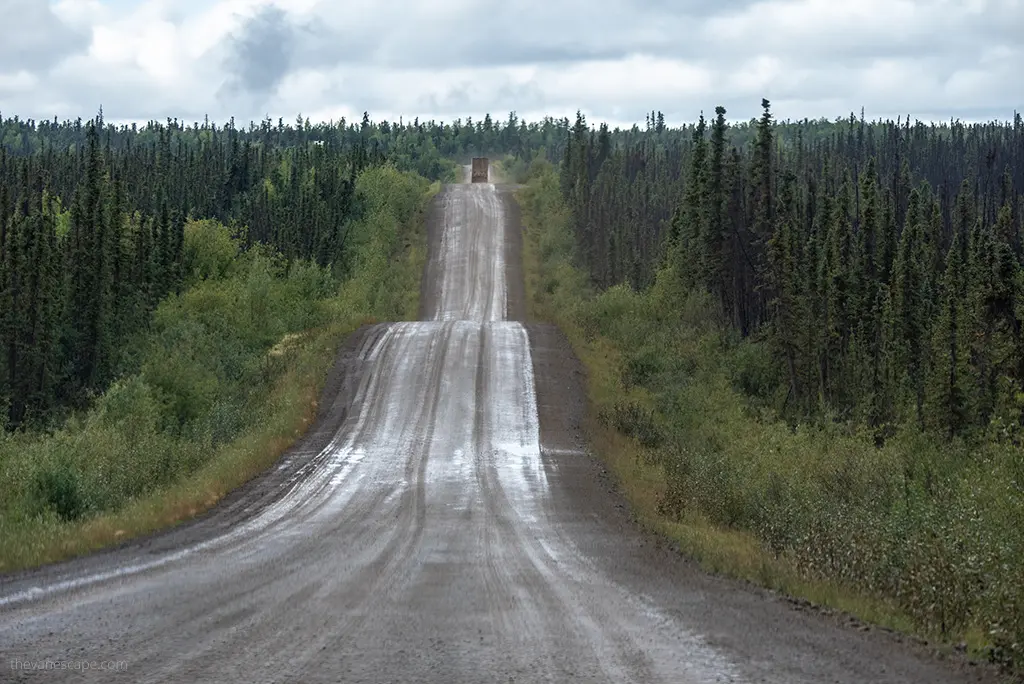
Driving is the most discussed option and the one that requires the most preparation. The Dalton Highwayis a long, partly gravel industrial road built to serve the pipeline and oilfield, not to optimize comfort for passenger vehicles.
Between Fairbanks and Deadhorse, you will pass only a handful of places with fuel, food or lodging. Mobile coverage is intermittent.
The distance between services is large. The last segment between the final full-service stop and Deadhorse itself is particularly empty.
A safe drive requires a suitable vehicle and a conservative mindset. A high-clearance vehicle with good tyres, at least one full-size spare and basic tools is strongly advised. Many experienced drivers recommend carrying two spares.
It is wise to bring enough water, non-perishable food and warm clothing to sit out a delay of at least a day if needed. Speeds should stay modest, especially on loose gravel, around bends and when passing or being passed by large trucks.
Because of the nature of the road, many standard rental contracts prohibit travel on the Dalton. If you are renting, confirm in writing that your vehicle is allowed on the route, or use a specialist rental company that explicitly permits it.
Flying To Deadhorse Or Prudhoe Bay
If you prefer to skip the long road, you can arrive by air. Deadhorse, often referred to as Prudhoe Bay in flight listings, has a small airport with regular scheduled flights from other Alaskan cities. These flights primarily serve workers but are available to visitors as well.
Once you land, your lodge or camp can usually arrange a shuttle from the airport. This approach works well if your focus is on seeing the North Slope industrial environment and accessing the Arctic Ocean, rather than on driving the Dalton.
Guided Tours And Mixed Itineraries
Guided tours offer a middle ground. Some itineraries drive from Fairbanks to Deadhorse, stopping at key points along the Dalton, and then fly back south. Others reverse that sequence or include only certain segments of the road.
In guided formats, a professional driver and operator handle vehicle choice, tyres, fuel, weather monitoring and contingency planning.
Accommodation in Coldfoot, Wiseman and Deadhorse, as well as Arctic Ocean access, is booked in advance. For many travellers, this removes the most stressful elements of the trip while still delivering the essence of the experience.
What Deadhorse Is Like For Visitors
Because Deadhorse exists to serve the oilfield first, its visitor infrastructure is more of an adaptation than a dedicated tourism setup. Understanding that helps set expectations correctly.
Lodging, Food And Services
Visitors typically stay in the same types of facilities as workers. These are camp-style lodges with simple, functional rooms, often with single beds, plain furnishings and shared or semi-shared bathrooms. They are designed for warmth and practicality rather than aesthetic appeal.
Meals are usually served cafeteria-style, with a small range of hot and cold options, and schedules that align with worker shifts.
Coffee and basic snacks are generally available outside peak meal hours, but there is no independent restaurant scene in the usual sense.
A general or supply store provides a selection of groceries, snacks, basic clothing and small items.
Fuel pumps serve both industrial traffic and visiting vehicles. Prices for goods reflect the cost of getting everything to such a remote location, so they tend to be noticeably higher than in the rest of Alaska.
There is no main street, high street or compact shopping district. Instead, you move between camps, the store and the airport via short stretches of gravel road.
Alcohol And Local Rules
Deadhorse functions as a dry environment for visitors. Alcohol is not sold in town, and camps that house workers generally apply strict rules governing possession and consumption.
This is not simply a cultural choice but also a safety requirement in a high-risk industrial context combined with harsh climate conditions.
For travellers, that means planning on quiet evenings in camp rather than social nightlife and respecting any posted rules and guidelines within the facilities where you stay.
Related Reading: The Perfect Stay: Your Essential Guide To Hotels In Juneau, Alaska
What You Can Actually Do In Deadhorse And Nearby
There are fewer classic “attractions” in Deadhorse than in many destinations, but there are still distinct experiences that justify the trip for some people.
Guided Access To The Arctic Ocean
The Arctic coastline near Deadhorse lies inside the controlled boundary of the oilfield. Public vehicles are not allowed to drive there. Visitors reach the shore by booking space on an authorized shuttle or tour that handles security clearance and uses designated access roads.
On these excursions, you travel through portions of the industrial complex and spend a short time at the gravel shoreline.
You have the opportunity to touch the Arctic Ocean, take photographs, and, if you choose and if conditions permit, briefly wade or plunge into the water. For many visitors, that is the central moment of the trip.
Experiencing Arctic Light
Visiting during the season of midnight sun means living for a few days in continuous daylight. Walking outside in the middle of the night under full sun or a bright sky is unusual and memorable.
In winter, visiting during the polar night means functioning in an environment where full daylight never quite arrives and where twilight defines the day.
Even if you do not build activities around this, the experience of such light patterns is a significant part of being on the North Slope.
Observing The Industrial Arctic
For people interested in infrastructure, energy and logistics, simply being in Deadhorse is informative. You see the final stretches of the Dalton, the northern end of the pipeline, the arrangement of camps and logistics yards, and the equipment and vehicles required to keep such an operation functioning in extreme conditions.
This perspective is very different from that of a national park visit. It is less about scenic viewpoints and more about seeing how a modern industrial system coexists with an Arctic environment.
Highlights Along The Dalton Highway
Many rewarding experiences associated with a “Deadhorse trip” are actually located along the road rather than in the settlement itself.
The long crossing of the Yukon River, the Arctic Circle wayside sign, the services and atmosphere in Coldfoot and Wiseman, the dramatic drive over Atigun Pass in the Brooks Range, and the first views of the treeless Arctic plain are all major moments on this route.
If you are driving or joining a road-based tour, those segments will likely occupy more of your attention and camera memory than the gravel pads of Deadhorse.
Work And Jobs In Deadhorse And Prudhoe Bay
Because Deadhorse is a logistical hub for the Prudhoe Bay oilfield, many people researching it are considering employment as well as travel.
Typical work falls into three broad areas. Field operations roles cover technicians, operators, mechanics, electricians and similar positions directly involved with oilfield production and maintenance.
Transport and logistics roles include truck driving, heavy equipment operation, fuel distribution and cargo handling. Camp support roles involve cooking, cleaning, maintenance, security, medical support and administrative work that keep the camps functioning.
Most of these jobs follow rotational patterns. A common arrangement involves workers flying in for a defined period of work, such as two weeks, then flying back to their home community for an equal or longer period of leave.
During rotations, workers live in camp housing, eat in cafeterias and have access to on-site facilities rather than to an independent town.
Pay levels often reflect both the technical demands of the job and the difficulty of the environment. For some, the controlled, focused nature of rotation work and the clear separation between on-shift and off-shift life are attractive.
For others, the isolation, climate and lack of “normal” community life can be challenging. It is important to weigh both sides carefully if you are considering work there.
Planning And Safety Considerations
A trip to Deadhorse or a job on the North Slope is not something to approach casually, simply because the margin for error is smaller than on more populated routes.
On the Dalton Highway, you should plan as if help will take time to reach you if something goes wrong. Carry sufficient warm clothing, a sleeping system suited to sub-freezing temperatures, extra food and extra water.
Check road and weather information before departure and at appropriate points along the way. Keep fuel levels high and your speed low enough to adapt to sudden changes in surface, visibility or traffic.
Environmentally, it is important to stay on established roads and pullouts, both to protect the fragile tundra and to avoid getting stuck in soft ground.
Wildlife, from caribou and muskox to bears and smaller species, should be observed at a distance, not approached or fed. Noise, litter and off-road driving all have disproportionate effects in this kind of environment.
Culturally, the North Slope is a long-inhabited region with communities whose lives are deeply tied to the land and sea.
It is also a place where thousands of workers spend much of their year. Travelling with respect for both those realities, rather than treating the area as an empty backdrop, helps ensure that increasing numbers of visitors do not create unnecessary friction or damage.
Also Check Out: Can You Drive To Alaska? Routes, Timeline, Safety And Costs
People Also Ask
Why Is It Called Deadhorse?
The exact origin is not fully documented, but the most widely repeated explanation is that the name came from an early hauling or trucking outfit operating in the area. Over time, the name stuck to the camp and the surrounding industrial settlement.
Can Ordinary Visitors Go To Deadhorse?
Visitors reach Deadhorse either by driving the Dalton Highway or by flying into the local airport from other Alaskan cities. A small number of lodges that primarily serve workers also accept bookings from travellers, especially during the summer season.
Are There Hotels In Deadhorse?
Accommodation in Deadhorse consists of camp-style lodges and hotels with simple, warm rooms and shared or nearby bathroom facilities. They are not hotels in the traditional sense but provide clean, functional lodging and cafeteria meals suitable for both workers and visitors.
What Can You Do In Deadhorse?
The main activities for visitors are joining an authorized shuttle to the Arctic Ocean, experiencing the extreme daylight or darkness of the Arctic seasons, observing the industrial environment at the end of the road, and using Deadhorse as a base or endpoint for a longer journey along the Dalton Highway. Most of the more scenic stops lie along the road to the south.
How Bad Is The Weather?
The weather in Deadhorse is genuinely Arctic. Winters are long, with temperatures well below freezing and severe wind chill. Summers are short and cool, with temperatures that are workable but rarely warm by temperate standards. Conditions can change quickly, and wind on the open plain is a constant factor.
How Many People Live There?
The permanent resident count is small, roughly a few dozen people, but the number of people present at any given time can rise into the low thousands due to the rotational workforce supporting the oilfield and related operations.
Can You Drive Your Own Vehicle To The Arctic Ocean From Deadhorse?
No, the roads from Deadhorse to the Arctic shore cross restricted industrial property and are not open to private vehicles. Visitors reach the coastline by using authorized shuttles or tours that have the proper permissions and security clearance.
Are There Job Opportunities In Deadhorse And Prudhoe Bay?
Yes, the Deadhorse and Prudhoe Bay area is a major hub for North Slope employment, particularly in oilfield operations, logistics and camp support. Jobs are usually rotational, with workers flown in and housed in camp facilities for the duration of their shift periods.
Conclusion
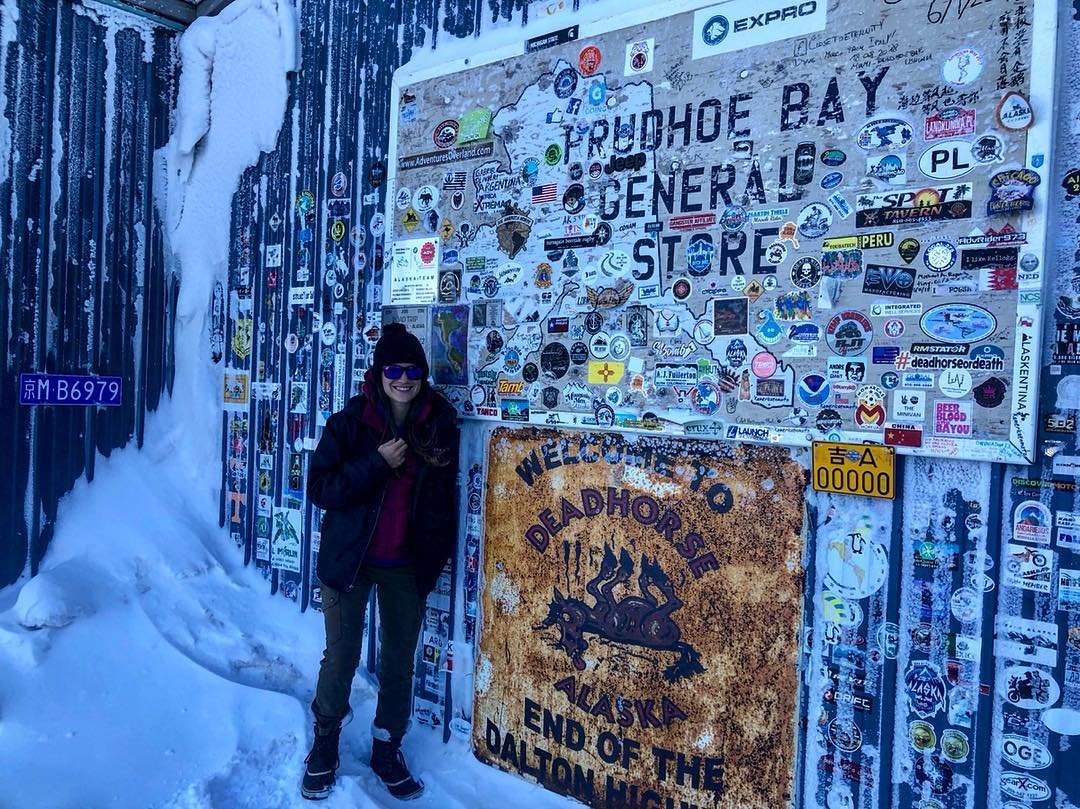
Deadhorse is not pretty in the conventional sense. It is a place of gray gravel, silver pipes, and white skies. But standing next to the sign at the general store, realizing you are closer to the North Pole than to New York City, offers a profound sense of scale.
You come here to see the limits of human engineering against the backdrop of an indifferent, massive wilderness. If you respect the road, follow the camp's rules, and book your shuttle in advance, you will leave with a story that no beach resort could ever match.
Jump to
Deadhorse Alaska Travel Guide: What To Expect At The End Of The Dalton Highway
Key Takeaways
What Actually Is Deadhorse?
Population And How Town Life Actually Works
Climate, Weather And Seasons On The North Slope
Is Deadhorse Worth Visiting?
Ways To Get To Deadhorse
What Deadhorse Is Like For Visitors
What You Can Actually Do In Deadhorse And Nearby
Work And Jobs In Deadhorse And Prudhoe Bay
Planning And Safety Considerations
People Also Ask
Conclusion
Latest Articles
Popular Articles