Best Time To See The Northern Lights In Alaska In 2025
The Northern Lights in Alaska are a must-see, but knowing when to visit is key. Let’s break down the best times to experience this natural light show.
May 15, 202512.9K Shares227.6K Views
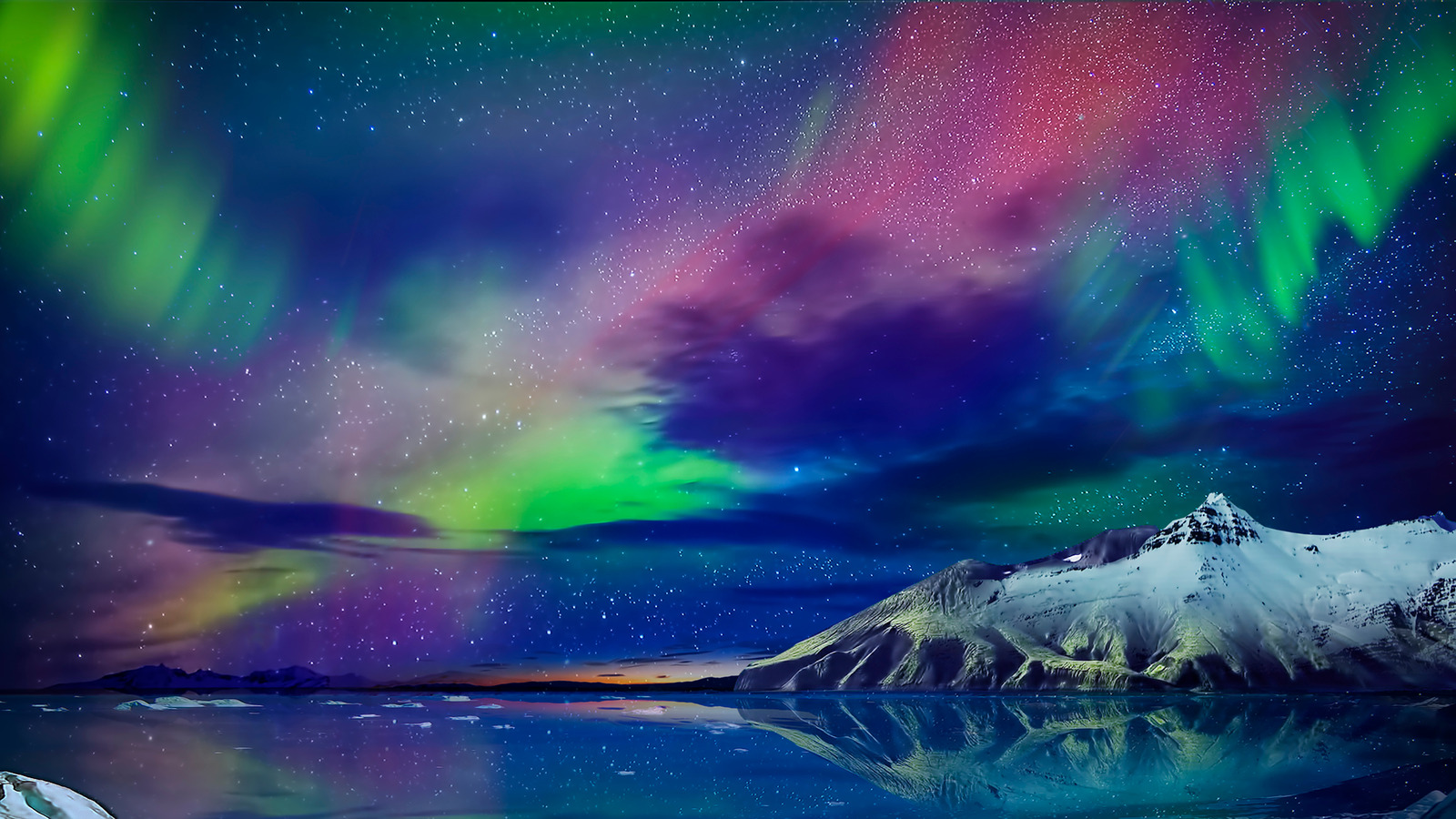
The Northern Lights, or Aurora Borealis, are one of nature's most breathtaking spectacles. A shimmering dance of vibrant colors in the night sky, this celestial phenomenon attracts travelers worldwide.
If Alaska is on your bucket list for aurora viewing, understanding the best times to witness this spectacle is essential. Let’s uncover everything you need to know to catch the Northern Lights in all their glory.
While this guide is all about chasing the incredible Northern Lights, you might also be wondering about the best time to visit Alaskain general. For most folks looking to explore Alaska's stunning scenery, see wildlife, and enjoy outdoor adventures, the summer months – think late May to early September – are usually the sweet spot.
You'll get warmer weather and those famously long Alaskan summer days. But, if seeing the aurora is what your Alaskan dream is made of, then, as we'll explore here, you'll want to aim for the darker skies from late August through mid-April.
What Are The Northern Lights?
The Northern Lights are a natural light display caused by charged particles from the sun colliding with Earth’s magnetic field. These collisions release energy in the form of light, creating stunning waves of green, pink, red, and purple hues that paint the night sky. Alaska, located directly under the auroral oval the region with the highest aurora activit is one of the best places on Earth to view this phenomenon.
In addition to its natural wonders, Alaska is also a hub for outdoor activities and recreation, offering a variety of experiences that make the region even more appealing to travelers. Culturally, the Northern Lights have inspired myths and legends among Indigenous Alaskan communities, often believed to represent spirits or messages from the beyond. Whether scientific or spiritual, the auroras’ allure is universal.
Why Alaska Is Perfect For Northern Lights Viewing
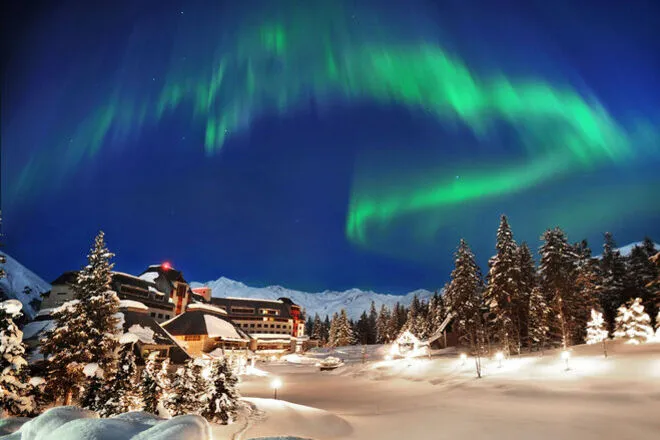
Alaska’s geographical location and vast wilderness make it a prime destination for aurora hunting. Here’s why:
- Auroral Oval:Alaska’s position under this zone ensures frequent and vivid displays.
- Low Light Pollution:With its vast stretches of untouched wilderness, Alaska offers numerous spots far from city lights.
- Clear Skies:The cold, dry winters reduce cloud cover, offering excellent visibility.
- Accessibility:Cities like Fairbanks and Anchorage provide modern amenities alongside pristine viewing locations.
Best Time Of Year To See Northern Lights In Alaska
The Northern Lights are visible in Alaska from late August to mid-April. However, certain months stand out for optimal viewing conditions.
1. Late Fall (September To November)
- Fall marks the start of aurora season in Alaska, with longer nights and milder weather compared to winter.
- September, in particular, offers clear skies and fewer tourists, making it a quiet time to enjoy the lights.
- Bonus: Autumn’s golden landscapes add a unique charm to your adventure.
2. Winter (December To February)
- Winter is the prime season for aurora viewing. Long, dark nights combined with crisp, clear skies increase your chances of witnessing vibrant displays.
- Temperatures can plummet, so dressing in warm layers is essential. Consider combining your trip with activities like dog sledding or soaking in hot springs.
3. Early Spring (March To April)
- March is often considered one of the best months for aurora viewing. The weather begins to warm slightly, and the skies remain clear.
- Increased solar activity around the equinoxes enhances aurora intensity, making spring a top choice for many travelers.
Best Times Of Day To See The Northern Lights
Auroras are most active between 10 PM and 2 AM, although they can appear as early as dusk or as late as dawn. To maximize your chances:
- Monitor solar activity through apps like Aurora Forecastor websites like NOAA’s Space Weather Prediction Center.
- Stay outdoors during peak hours and allow your eyes to adjust to the dark.
- Be patient; auroras often appear intermittently throughout the night.
Best Locations In Alaska For Northern Lights Viewing
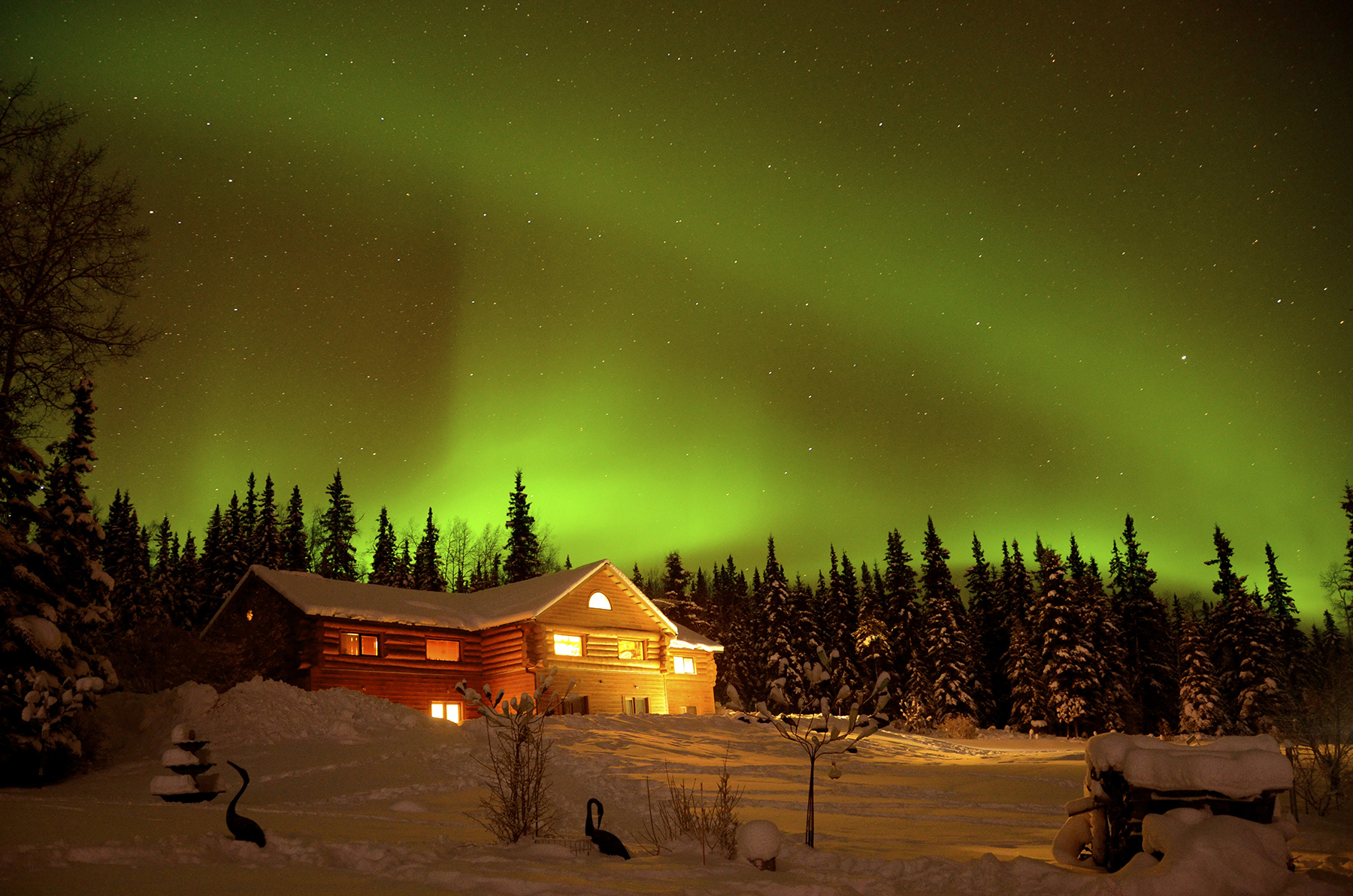
Alaska offers a variety of locations, each with unique advantages for aurora enthusiasts. Here are some of the top spots:
1. Fairbanks
- Known as Alaska’s aurora capital, Fairbanks lies directly under the auroral oval.
- The city offers guided tours, aurora lodges, and excellent infrastructure for travelers.
- Nearby, the Chena Hot Springsprovide a relaxing vantage point for viewing the lights.
2. Anchorage
- Anchorage combines urban amenities with proximity to remote viewing spots.
- Head to locations like Eklutna Lakeor Girdwoodfor darker skies.
- Winter festivals in Anchorage often include aurora-themed events.
3. Denali National Park
- The park’s vast wilderness and low light pollution make it a top choice.
- Visit in winter for unparalleled views of both the aurora and Denali’s majestic peaks.
4. Brooks Range And Coldfoot
- Located in northern Alaska, these remote spots are known for their pristine conditions.
- Consider staying at Coldfoot Camp for a rustic yet rewarding aurora experience.
Other notable locations include Nome, Barrow (Utqiagvik), and the Yukon River Basin. Each offers unique opportunities for capturing the auroras in their full glory.
Northern Lights Forecasts
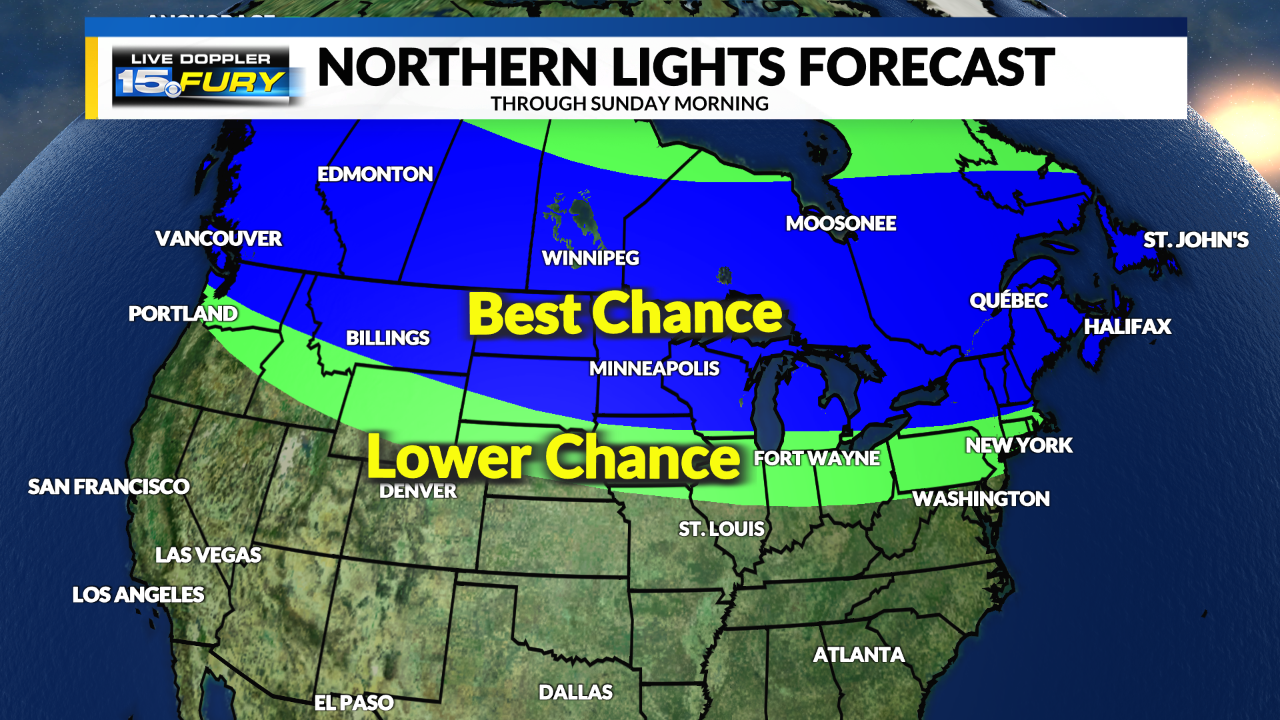
To catch the Northern Lights in Alaska, keeping track of solar activity is key. Websites and apps provide real-time forecasts that predict the aurora's intensity and visibility. Here are some trusted sources:
- Aurora Forecast App: A highly rated app offering alerts, real-time updates, and solar activity information.
- NOAA's Space Weather Prediction Center: Provides reliable data on solar flares and geomagnetic activity.
- Space Weather Live: Offers real-time aurora forecasts and an interactive map to track activity worldwide.
These tools are invaluable for timing your viewing sessions, giving you a better chance to witness the auroras in their full glory.
Northern Lights Tours In Alaska
For a guided experience, several tour companies in Alaska offer specialized Northern Lights trips. These tours can provide expert knowledge, transportation to the best viewing locations, and photography assistance. Some popular options include:
- Chena Hot Springs Resort (Fairbanks): Offers a dedicated Northern Lights viewing lodge and tours, ideal for a relaxing and memorable experience.
- Alaska Aurora Adventures (Fairbanks): Provides guided tours to remote locations, ensuring prime aurora sightings.
- Arctic Wild (Anchorage): Specializes in small-group tours to remote wilderness areas with minimal light pollution.
These tours are ideal for travelers seeking a hassle-free experience with a higher chance of seeing the Northern Lights.
How To Improve Your Chances Of Seeing The Northern Lights
While the auroras are unpredictable, these tips can boost your odds:
- Monitor Solar Activity:Use resources like Space Weather Liveor aurora tracking apps to check the auroral forecast.
- Find Dark Skies:Move away from city lights to reduce light pollution.
- Stay Multiple Nights:Aurora activity varies, so plan for at least 3-4 nights to increase your chances.
- Dress Warmly:Subzero temperatures require thermal layers, insulated boots, and gloves.
- Hire a Guide:Guided tours often take you to the best locations and provide insights on aurora photography.
Additional Tips For Enjoying Your Aurora Experience
1. Choose The Right Time Of Year
The best time to see the Northern Lights in Alaska is between September and April, with Marchbeing one of the prime months due to clear skies and high solar activity. This period offers long, dark nights, providing optimal conditions for aurora viewing. If you're looking to avoid the coldest weather, late autumn (September-November) and early spring (March-April) are ideal.
2. Pick A Dark, Clear Location
Finding a location far from artificial light is crucial for seeing the Northern Lights in their full glory. Fairbanksand Chena Hot Springsare renowned for their aurora displays, and they are situated far from light pollution. The remoteness of these areas allows for optimal visibility, as the Northern Lights shine brightest in complete darkness.
3. Check Aurora Forecasts Regularly
Aurora viewing is all about timing. To maximize your chances, monitor aurora forecasts through tools like the Aurora Forecast appor the NOAA’s Space Weather Prediction Center. These resources provide real-time updates on solar activity, allowing you to track the best times for aurora viewing based on solar wind and geomagnetic conditions.
4. Give Your Eyes Time To Adjust
Before heading out, allow your eyes to adjust to the darkness. It takes about 20 minutesfor your eyes to fully adapt to low light, so avoid looking at bright lights, including your phone screen. Once adjusted, you’ll be able to see the aurora in its full spectrum of colors.
5. Stay Patient
Auroras don’t always appear when you expect them, so patience is key. Be prepared to wait for hours, especially during peak viewing times between 10 PM and 2 AM. While waiting, make sure you stay comfortable by dressing warmly and bringing hot beverages or snacks to keep your energy up.
6. Wear Warm Clothing
Alaskan winters can be extremely cold, so dressing in layersis essential. Make sure to wear a thermal base layer, insulated boots, a warm hat, and glovesto stay warm while you wait outside. The cold temperatures can make aurora viewing a lengthy experience, so comfort is a priority.
7. Use A Tripod For Photography
If you plan to capture the Northern Lights on camera, a sturdy tripodis a must. Long exposure shots (around 15-30 seconds) are necessary to properly capture the aurora’s movement and light, and a tripod ensures the camera remains stable. This will result in sharp, clear images rather than blurry ones caused by shaky hands.
8. Keep Your Camera Settings Ready
When photographing the Northern Lights, set your camera to a wide aperture(around f/2.8 or lower) to let in as much light as possible. Use a high ISO(around 800-1600) to make the aurora stand out against the night sky. Adjust your shutter speedto 15-30 seconds, but experiment with these settings based on the brightness of the aurora.
9. Avoid Light Pollution
Artificial lights can wash out the aurora and reduce the quality of your viewing experience. Whenever possible, get as far away as possible from city lights and street lamps. The darker the location, the better your chances of seeing vibrant auroras. Many lodges and campsites in Alaska are intentionally placed far from urban areas to provide this opportunity.
10. Consider Taking A Guided Tour
For a seamless aurora experience, book a guided tour. Guides know the best spots, and many offer professional photographers to help capture the perfect shot. Plus, there are plenty of things to do, from snow activities to cultural experiences.
11. Stay Multiple Nights
Aurora activity is unpredictable, so it’s a good idea to stay for at least 3-4 nights. This will significantly increase your chances of seeing the lights, as they may appear on some nights and not on others. Staying multiple nights also allows you to relax and enjoy other activities in Alaska, such as snowshoeing or dog sledding, if the aurora doesn't make an appearance right away.
12. Bring Snacks And Hot Drinks
Aurora hunting can take several hours, so it’s important to stay nourished and warm. Pack snackslike trail mix, granola bars, or sandwiches to keep your energy up. Bring a thermosfilled with hot drinks like tea, cocoa, or coffee to warm you up and make the wait more enjoyable.
13. Bring A Blanket Or Chair
Comfort is key when you’re waiting for the Northern Lights to appear. A portable chairor a blanketcan make the experience far more enjoyable, allowing you to relax during long waits. The cold can be intense, so something soft to sit on can make it easier to endure the elements.
14. Choose Locations With Low Light Pollution
While cities like Fairbanksoffer great aurora viewing, areas such as Denali National Parkor Brooks Rangeare even better for their complete darkness. These remote areas have minimal artificial light, allowing for a clearer view of the aurora. Plus, these locations offer stunning landscapes to enjoy when the aurora isn’t visible.
15. Use An Aurora-Tracking App
Download an aurora tracking appto keep you updated on solar activity. Apps like Aurora Alertsor My Aurora Forecastcan notify you when aurora activity is high in your area. These apps can help you time your excursions for optimal aurora visibility.
16. Respect The Environment
While you may be focused on the aurora, it’s important to respect the environment around you. Stay on designated trails and avoid disturbing wildlife, especially in remote regions. Always leave no trace and be mindful of the impact your presence may have on the fragile Alaskan ecosystem.
17. Take Warm-Up Breaks
When the temperatures drop, it’s important to warm up periodically. Indoor breaksat a lodge or your vehicle can help prevent frostbite and other cold-related illnesses. This gives you the chance to recharge and head back out for another round of aurora viewing when conditions are favorable.
18. Avoid Cloudy Skies
Before heading out, check the weather forecast to ensure clear skies. Cloudscan obscure the aurora and make it difficult to see, even if solar activity is high. If the weather is cloudy in your area, consider heading to another location with clearer skies for a better chance at seeing the lights.
19. Embrace The Journey
The aurora is just one part of the Alaskan experience. While there, enjoy stunning landscapes, towering mountains, and frozen lakes, with outdoor activities like hiking, snowshoeing, and ice fishing. You’ll also encounter the legacies of famous people in Alaska, whose stories shape the state’s rich history.
20. Capture The Moment
While photography is essential for documenting the experience, don’t forget to take some time to simply enjoy the spectacle. Put down the camera, look up at the sky, and marvel at the beauty of the Northern Lights. Creating memories beyond photos will make your aurora experience even more special.
FAQs
Can I See The Northern Lights Year-round In Alaska?
No, the Northern Lights are not visible during Alaska’s summer months due to extended daylight. They are best viewed from late August to mid-April.
What Is The Best Month To Visit Alaska For Northern Lights?
March is often considered the best month due to clear skies, moderate weather, and high solar activity around the spring equinox.
Is Fairbanks Better Than Anchorage For Northern Lights Viewing?
Yes, Fairbanks’ location under the auroral oval and its darker skies make it a more reliable choice compared to Anchorage.
How Can I Track Aurora Activity?
Use apps like Aurora Forecastor websites such as NOAA’s Space Weather Prediction Center to monitor solar activity and cloud cover.
Are Guided Tours Worth It For Northern Lights Viewing?
Yes, guided tours provide expert insights, transportation to remote locations, and assistance with photography, making them highly beneficial for first-time viewers.
Final Thoughts
Experiencing the Northern Lights in Alaska is more than just a travel destination, it’s an adventure into nature’s most mesmerizing phenomenon. By timing your visit right and choosing the best locations, you increase your chances of witnessing this spectacular display.
With the right preparation, patience, and a little luck, the auroras will reward you with memories that will last a lifetime. Pack your warmest gear, monitor solar activity, and get ready for a journey that will leave you in awe.
Jump to
What Are The Northern Lights?
Why Alaska Is Perfect For Northern Lights Viewing
Best Time Of Year To See Northern Lights In Alaska
Best Times Of Day To See The Northern Lights
Best Locations In Alaska For Northern Lights Viewing
Northern Lights Forecasts
Northern Lights Tours In Alaska
How To Improve Your Chances Of Seeing The Northern Lights
Additional Tips For Enjoying Your Aurora Experience
FAQs
Final Thoughts
Latest Articles
Popular Articles