Alaska National Parks - 8 Breathtaking Destinations To Visit In 2025
If you’re seeking adventure, Alaska’s national parks are unmatched. Learn about their unique features and how to make the most of your visit.
Mar 17, 202529.4K Shares865.2K Views
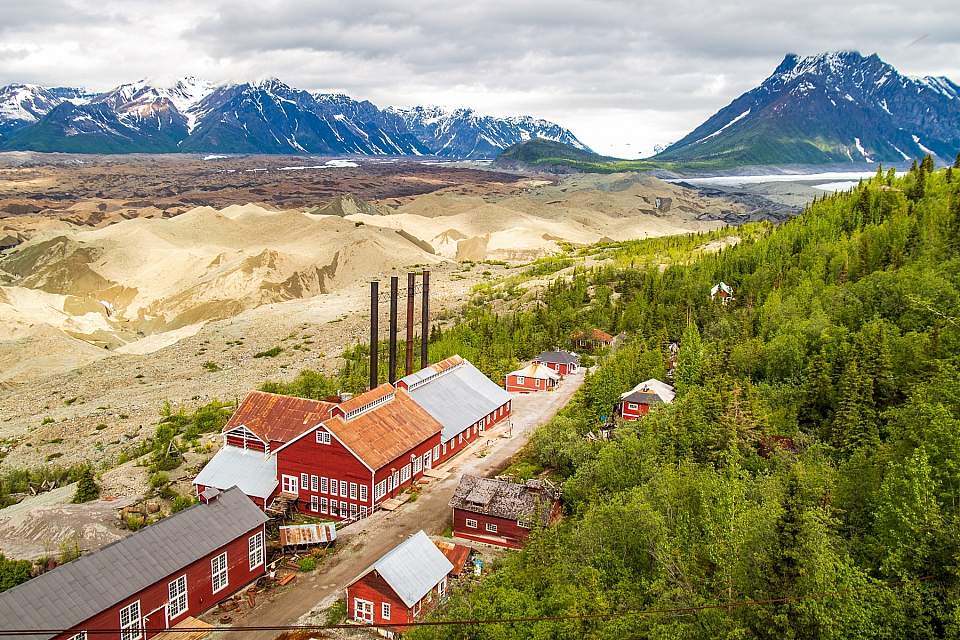
Alaska’s national parks offer a rare glimpse into some of the most remote, untamed landscapes in the United States. From towering glaciers and vast tundra to dense forests and rugged mountains, each park showcases a unique slice of nature that is as breathtaking as it is diverse.
If you're seeking an adventure that combines pristine wilderness, abundant wildlife, and unparalleled natural beauty, Alaska’s national parks provide the perfect backdrop for outdoor exploration and discovery.
Overview Of Alaska’s National Parks
Alaska is home to 8 national parks, spanning over 54 million acres of land about 60% of the total national park system in the U.S. These parks are the epitome of adventure and natural beauty, featuring glaciers, volcanic landscapes, mountain ranges, and vast expanses of untouched wilderness.
They rank among the best places to visitfor nature lovers and adventurers alike, offering unmatched serenity and breathtaking scenery. Unlike many national parks in the U.S., most of Alaska's parks remain remote and accessible only by plane, boat, or hiking.
1. Denali National Park And Preserve
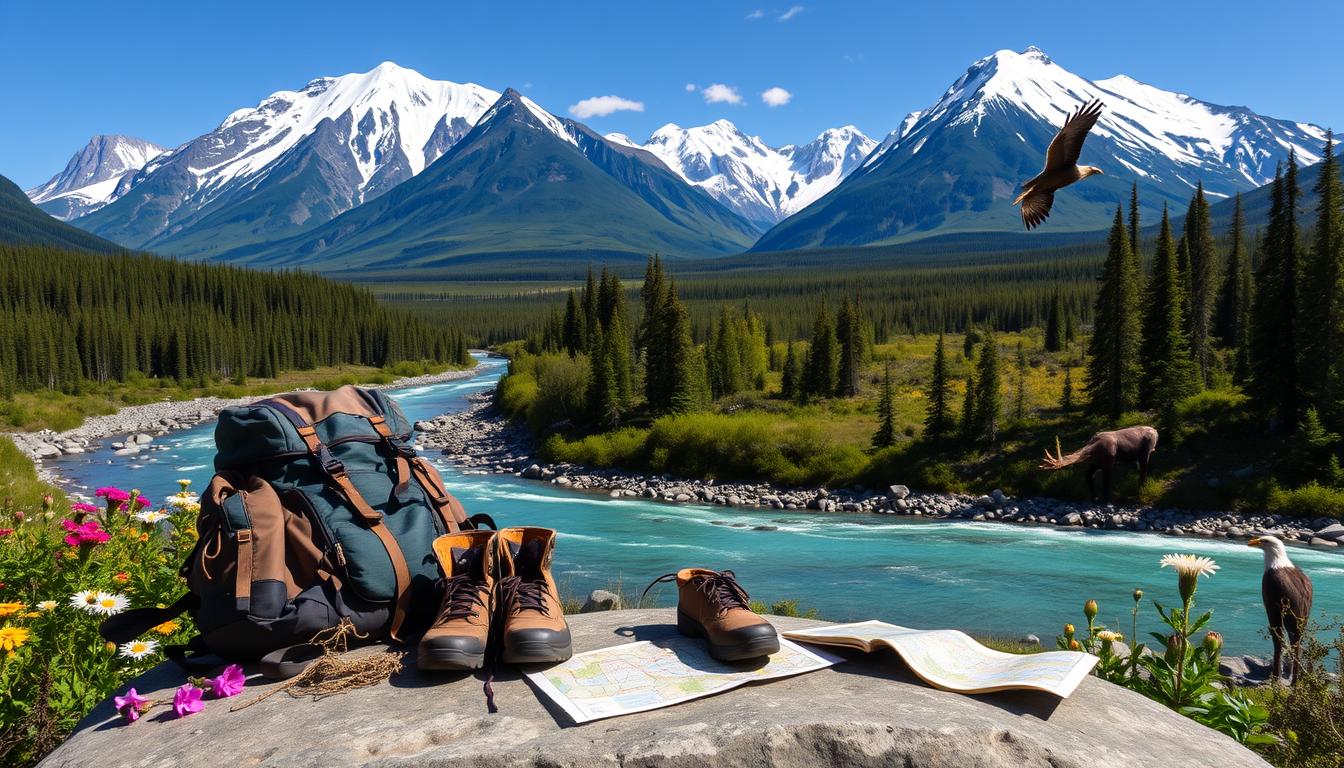
- Overview:Denali National Park is one of Alaska’s most iconic destinations, home to the tallest mountain in North America, Denali (formerly known as Mount McKinley), which rises to 20,310 feet. This park spans 6 million acres, featuring glaciers, tundra, dense forests, and towering mountains. If you’re planning your itinerary and looking for things to do in Alaska, visiting Denali should be at the top of your list, offering unparalleled opportunities for adventure and exploration.
- Key Features:The park offers breathtaking views of Denali, diverse wildlife (including grizzly bears, wolves, and caribou), and remote wilderness. It’s known for its extensive hiking trails, wildlife viewing, and mountaineering expeditions.
- Activities:Hiking, mountaineering, wildlife viewing, photography, and guided bus tours. Winter activities include cross-country skiing and dog sledding.
2. Gates Of The Arctic National Park And Preserve
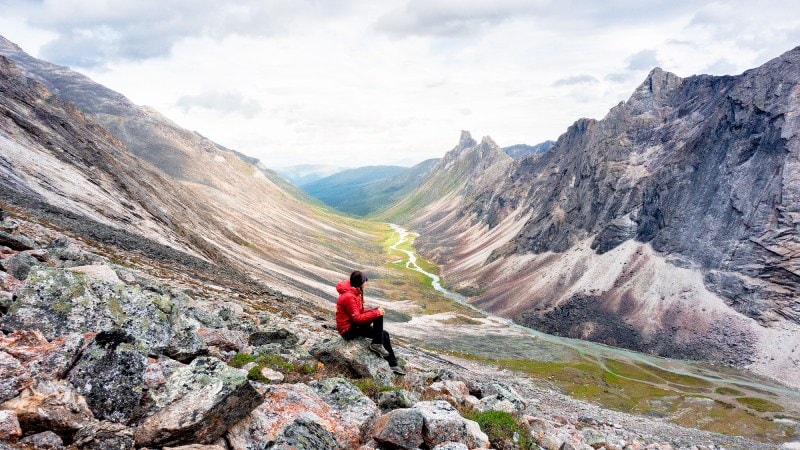
- Overview:Gates of the Arctic is one of the most remote national parks in the United States, with no roads leading to the park. It covers 8.4 million acres and lies north of the Arctic Circle, making it an extreme wilderness experience. This park is known for its vast untouched landscapes, including glaciers, rivers, and rugged mountains.
- Key Features:This park is a haven for backpackers and adventurers looking to experience Alaska’s wild terrain without the crowds. It is home to the rugged Brooks Range and provides opportunities for wildlife viewing, including caribou, grizzly bears, and golden eagles.
- Activities:Hiking, backpacking, wildlife viewing, and camping. Due to its remoteness, it’s ideal for experienced adventurers seeking solitude.
3. Glacier Bay National Park And Preserve
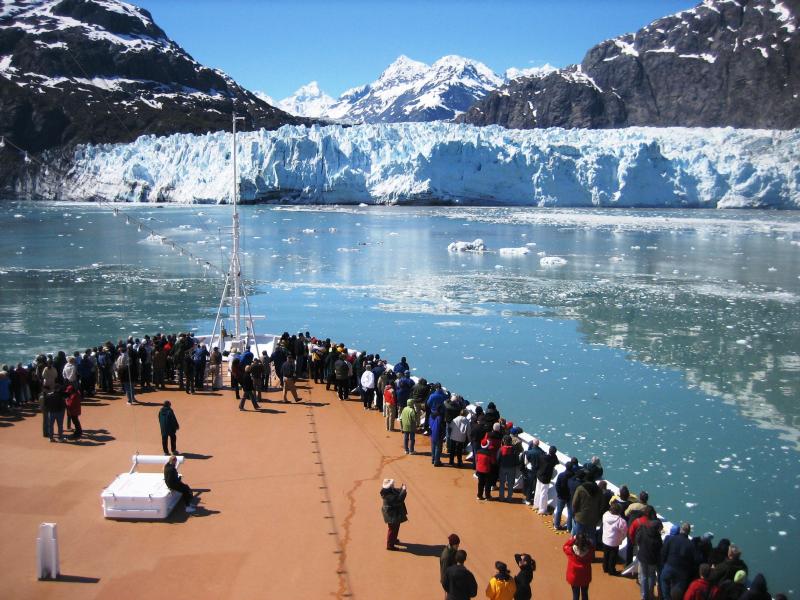
- Overview:Glacier Bay National Park is renowned for its stunning glaciers, dramatic fjords, and rich biodiversity. It’s a UNESCO World Heritage Site and one of the most visited parks in Alaska. The park spans 3.3 million acres and includes over 1,000 islands, with glaciers calving into the waters below.
- Key Features:Glacier Bay is famous for its glaciers, wildlife (such as whales, seals, otters, and puffins), and the dramatic coastal scenery. Visitors can take boat tours to get close to the glaciers or explore by kayak.
- Activities:Boat tours, kayaking, hiking, wildlife viewing, and camping. You can also participate in ranger-led programs to learn more about the park's history and ecology.
4. Kenai Fjords National Park
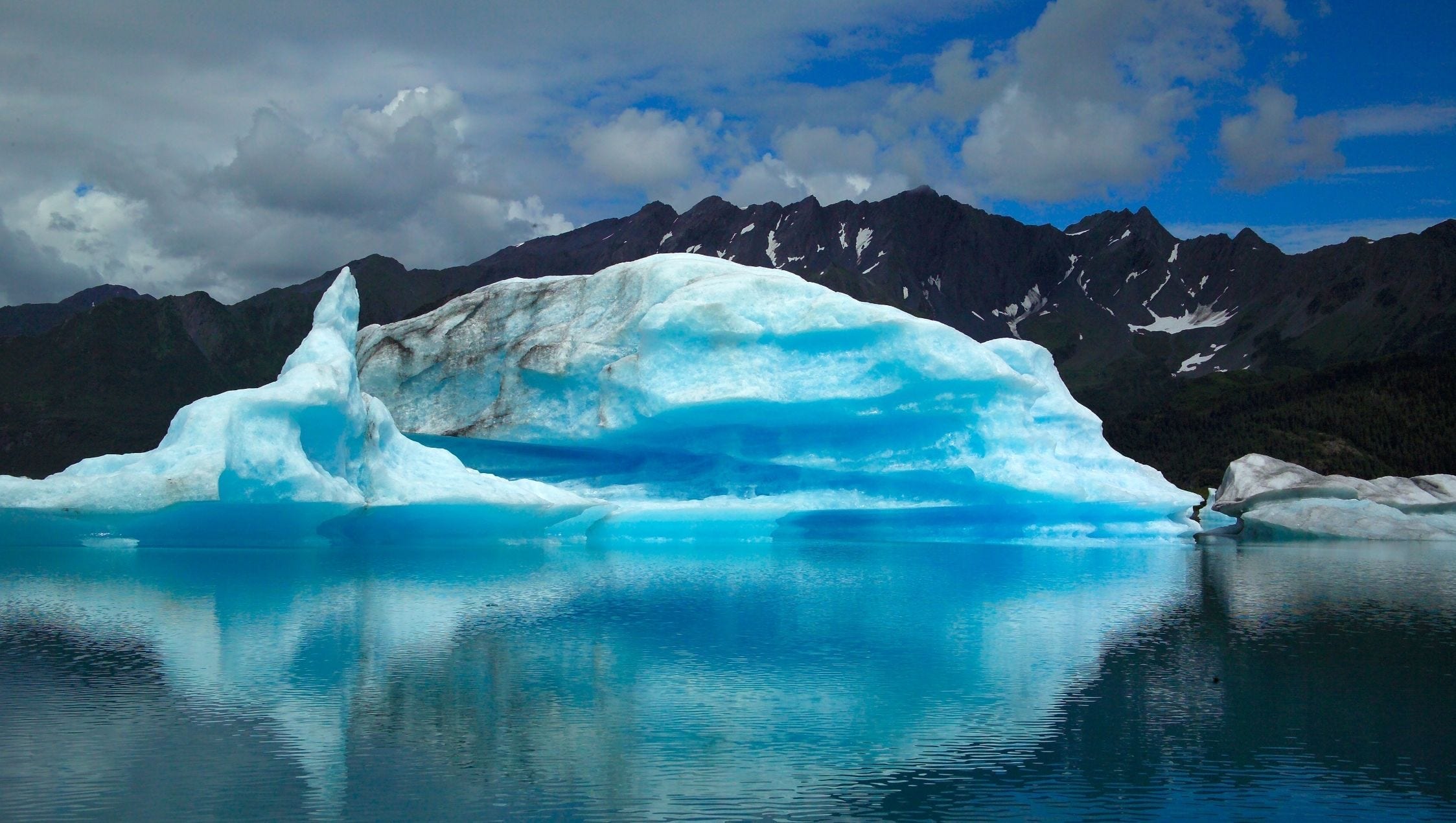
- Overview:Kenai Fjords National Park is located on the Kenai Peninsula, south of Anchorage, and offers some of the most dramatic coastal scenery in the state. The park encompasses glaciers, fjords, and rugged coastline and is home to a variety of marine wildlife.
- Key Features:The park is known for its large tidewater glaciers and diverse ecosystems. Marine life such as humpback whales, orcas, sea otters, and puffins can be spotted here. Visitors can also enjoy hiking in the park’s interior and exploring its glacial rivers.
- Activities:Boat tours, kayaking, hiking, wildlife viewing, and fishing. The park also offers opportunities for camping, with several backcountry campsites available.
5. Wrangell-St. Elias National Park And Preserve
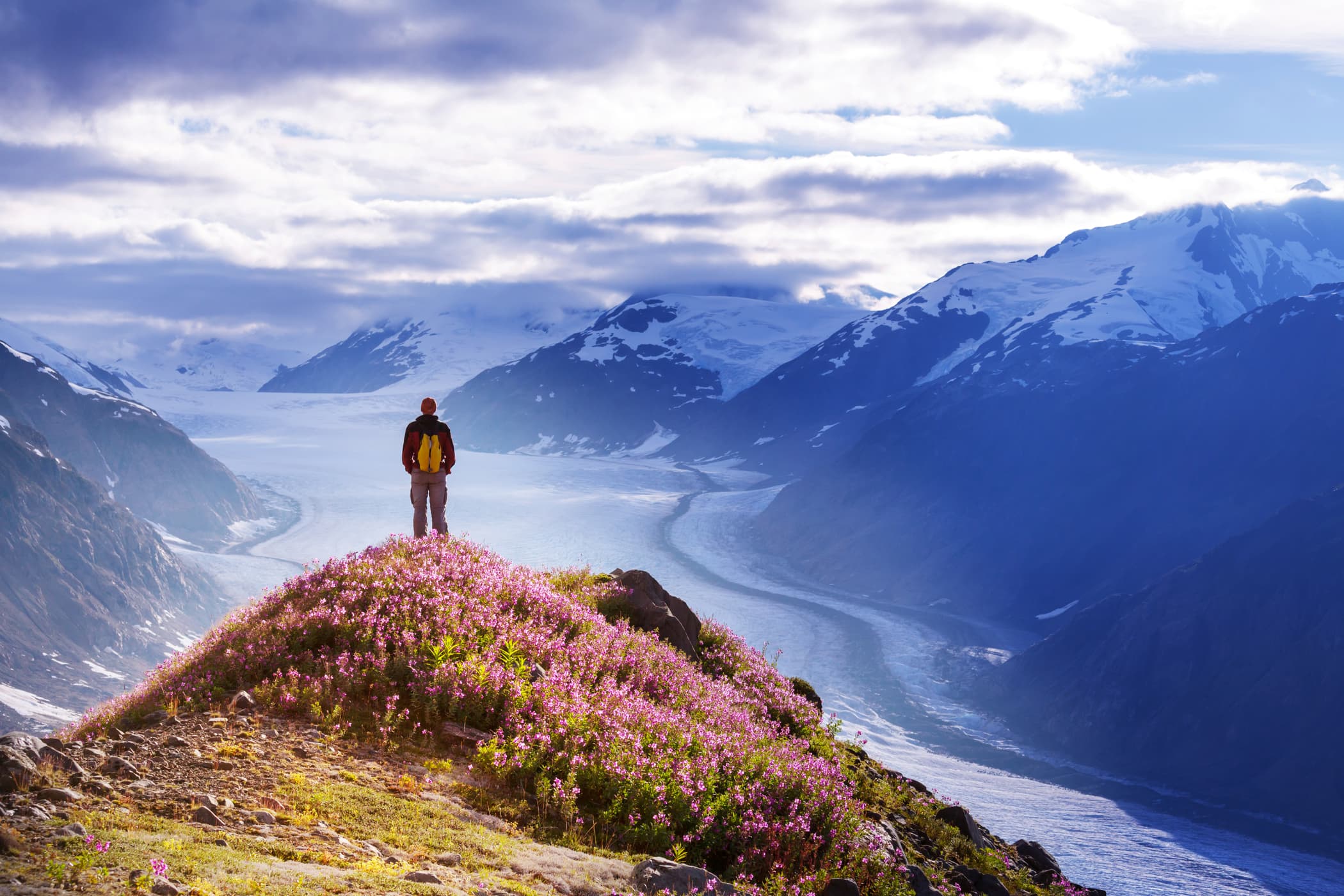
- Overview:Wrangell-St. Elias is the largest national park in the U.S., covering over 13 million acres. It is a land of glaciers, volcanic landscapes, and towering mountain ranges, including the Wrangell and Saint Elias Mountains. The park is a UNESCO World Heritage Site. The region is also known for its connection to popular gemstones, as Alaska’s vast and rugged terrain has yielded treasures like jade, garnets, and gold, adding a fascinating geological layer to its natural beauty.
- Key Features:Wrangell-St. Elias offers breathtaking vistas, ice fields, and volcanic landscapes. It’s known for its glaciers, remote backcountry, and opportunities for flightseeing tours. The park is also rich in history, with remnants of old mining towns and historic structures.
- Activities:Hiking, backcountry skiing, flightseeing tours, ice climbing, and camping. The park’s historic mining towns and glaciers provide plenty of exploration opportunities.
6. Lake Clark National Park And Preserve
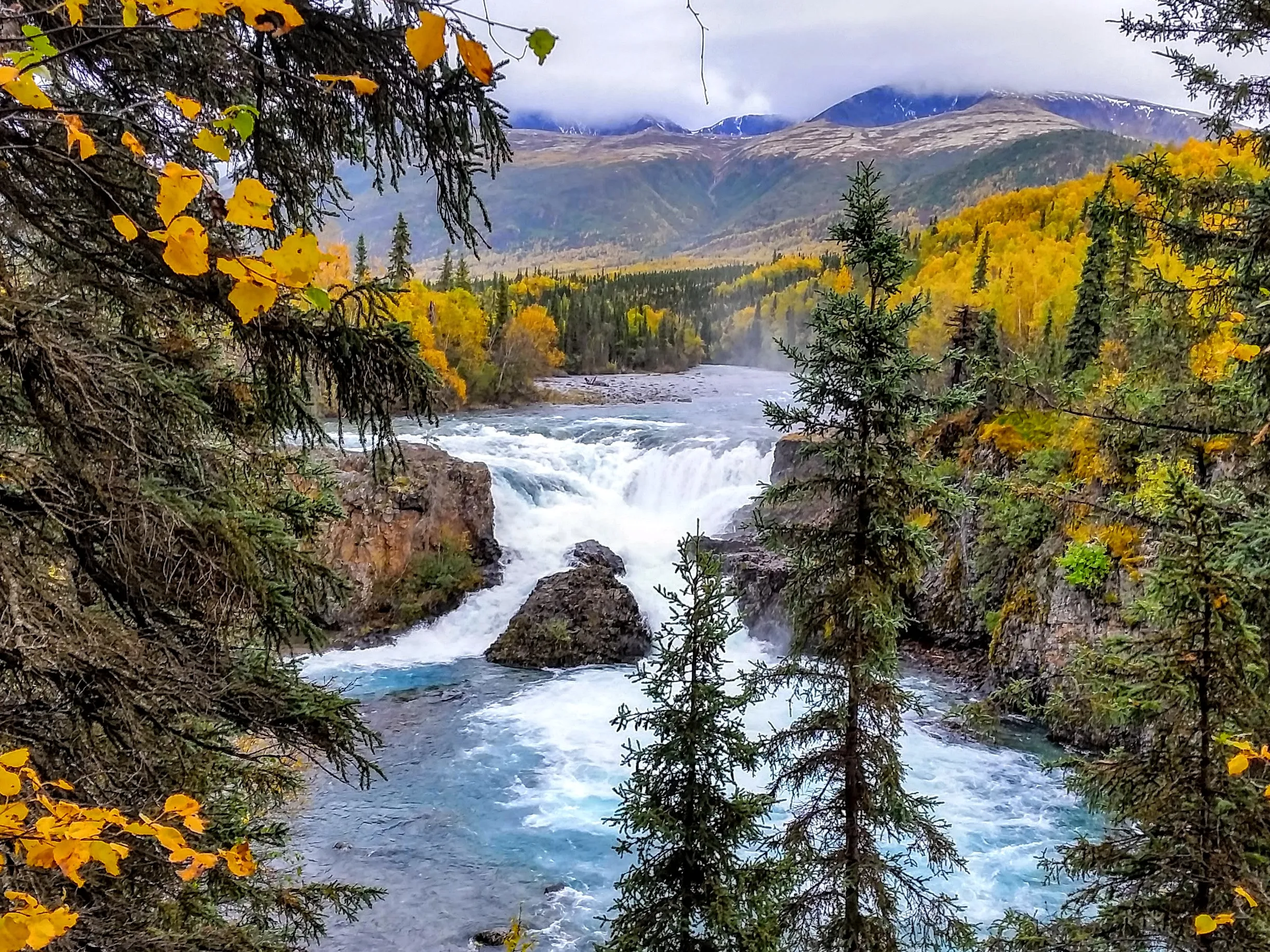
- Overview:Located in southwestern Alaska, Lake Clark National Park is a remote and diverse park that covers 4 million acres. It is known for its dramatic mountains, glaciers, and clear blue lakes. The park is often considered a hidden gem due to its seclusion and lack of crowds.
- Key Features:Lake Clark’s stunning landscape includes rugged volcanic peaks, glaciers, and pristine lakes. It’s also a great place to spot wildlife such as brown bears, moose, and wolves. The park offers a mix of hiking, fishing, and kayaking experiences.
- Activities:Fishing, hiking, wildlife viewing, kayaking, and camping. The park is also popular for bear watching, especially near the rivers where bears feed on salmon.
7. Noatak National Preserve
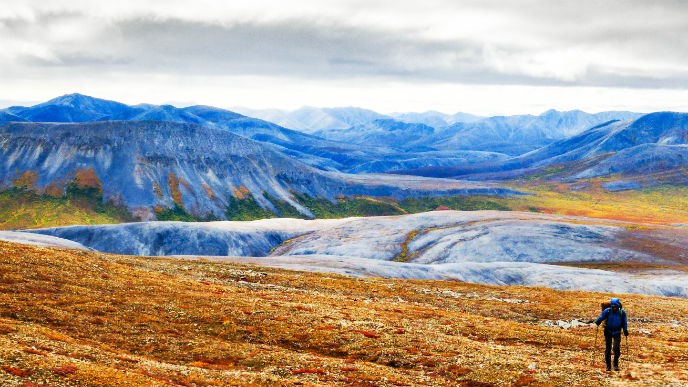
- Overview:Noatak National Preserve is located in northwest Alaska and covers over 6 million acres. It is home to the Noatak River, one of the largest wild rivers in the U.S., and a mix of tundra, forests, and mountains. This park is known for its incredible solitude and is ideal for wilderness enthusiasts.
- Key Features:The park features dramatic landscapes, with the Noatak River providing a scenic route for canoeing and rafting. Wildlife, including caribou and muskoxen, are abundant, making it a popular destination for wildlife photography.
- Activities:Canoeing, rafting, hiking, wildlife viewing, and fishing. Visitors can enjoy the solitude of this park through backcountry exploration.
8. Kobuk Valley National Park
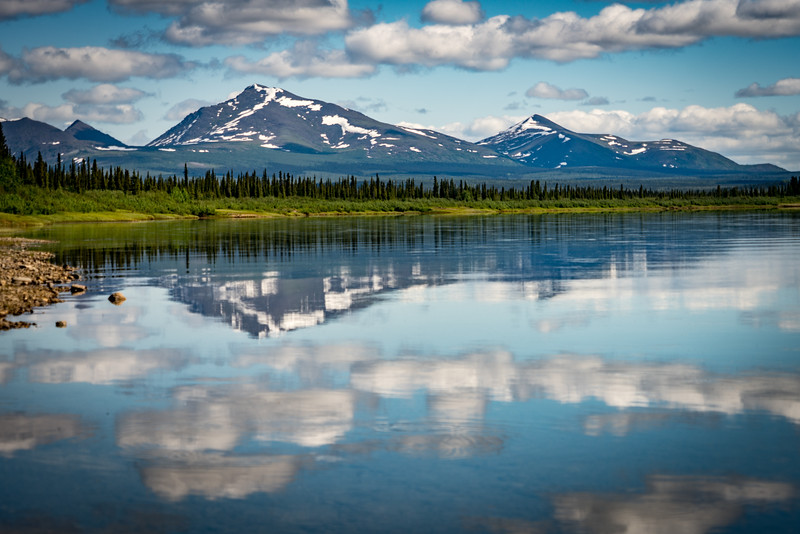
- Overview:Kobuk Valley National Park is located in northwest Alaska and is famous for the Kobuk River and the Great Kobuk Sand Dunes, which are some of the largest sand dunes in the Arctic. The park covers 1.7 million acres and is one of the least visited national parks in Alaska.
- Key Features:The park’s main feature is the Great Kobuk Sand Dunes, which rise up to 100 feet high. The park also has rich history, with evidence of ancient Inuit cultures and traditional caribou hunting grounds. It’s a fantastic destination for those looking for a unique adventure.
- Activities:Hiking, wildlife viewing (including caribou), rafting, and camping. The park’s unique landscape also makes it a great place for photography.
Activities To Do In Alaska’s National Parks
- Wildlife Viewing:Alaska is home to an extraordinary array of wildlife. From grizzly bears to bald eagles and migrating whales, wildlife watching is one of the top activities in every park.
- Hiking:With trails ranging from easy walks to challenging backcountry treks, hiking is one of the best ways to explore the parks. Denali, for instance, offers trails with spectacular mountain views, while Wrangell-St. Elias features treks through glacier landscapes.
- Boat Tours & Kayaking:In parks like Kenai Fjords and Glacier Bay, boat tours offer access to remote fjords, while kayaking allows you to get even closer to glaciers and wildlife.
- Camping:Alaska’s parks offer incredible camping opportunities. Whether it’s backcountry camping in Gates of the Arcticor a more developed campsite in Denali, camping in these national parks is an unforgettable experience.
- Fishing:Alaska is famous for its fishing. Whether you’re casting a line from a river or trying your luck in the coastal waters, fishing is a must-do activity in many national parks.
How To Get To Alaska's National Parks
Many of Alaska’s national parks are remote, and access can be challenging. However, there are several ways to reach them:
- Air Travel:The most common way to reach Alaska’s national parks is by flying into Anchorage or Fairbanks. From there, you can take a small plane, flightseeing tour, or chartered aircraft to get to the park.
- Cruises:Some parks, like Glacier Bay, are accessible by cruise, offering the convenience of seeing multiple destinations in one trip.
- Road Trips:You can drive to some parks, like Denali and Wrangell-St. Elias, via Alaska’s scenic highways. However, be prepared for long drives and remote areas.
- Guided Tours:Many tour companies offer packages that include flights, ground transportation, and guided tours into remote parks.
What Makes Alaska’s National Parks Unique
Alaska’s national parks are unlike any other in the U.S. Due to their vast size and remote locations, these parks offer a sense of isolation and wilderness that is hard to find anywhere else. The parks are not just destinations; they are sanctuaries for wildlife and protectors of ancient glaciers, mountains, and native cultures. The opportunity to experience such unspoiled natural beauty is one of the key reasons these parks are so special.
Moreover, Alaska’s parks provide an array of once-in-a-lifetime experiences, from seeing the Northern Lights to watching a glacier calve into the ocean. It’s a place where nature rules, and visitors can experience the purest form of adventure.
FAQs
What Is The Best Time To Visit Alaska’s National Parks?
The best time to visit is during the summer months (June to September) when the weather is milder, and most parks are accessible. However, if you want to experience the Northern Lights, plan a trip in the fall or winter months.
Are There Guided Tours Available In Alaska’s National Parks?
Yes, many national parks in Alaska offer guided tours. These tours can be a great way to explore remote areas safely, especially in parks like Wrangell-St. Elias and Denali.
Do I Need To Be Experienced To Visit These Parks?
While many parks have accessible trails and campgrounds, some, like Gates of the Arctic, are very remote and require backcountry experience. Make sure to research your destination and plan accordingly.
How Do I Get To These Parks?
Most national parks in Alaska are accessible by plane, boat, or a combination of both. Denali is accessible by car or bus, while parks like Glacier Bay and Wrangell-St. Elias are best reached by flight or boat.
What Wildlife Can I See In Alaska’s National Parks?
Wildlife sightings vary by park, but common animals include grizzly bears, moose, wolves, eagles, caribou, and whales. Always remember to follow safety guidelines when observing wildlife.
Conclusion
Alaska’s national parks stand as some of the most awe-inspiring and diverse natural wonders in the world. With their dramatic landscapes, rich wildlife, and endless opportunities for adventure, these parks promise an experience like no other.
Jump to
Overview Of Alaska’s National Parks
1. Denali National Park And Preserve
2. Gates Of The Arctic National Park And Preserve
3. Glacier Bay National Park And Preserve
4. Kenai Fjords National Park
5. Wrangell-St. Elias National Park And Preserve
6. Lake Clark National Park And Preserve
7. Noatak National Preserve
8. Kobuk Valley National Park
Activities To Do In Alaska’s National Parks
How To Get To Alaska's National Parks
What Makes Alaska’s National Parks Unique
FAQs
Conclusion
Latest Articles
Popular Articles