Artificial Intelligence | Transforming The Future Of Technology
Artificial Intelligence is reshaping the way people live and work, becoming a key part of daily life and modern innovation. As its capabilities continue to expand, understanding how AI influences industries, healthcare, and business is becoming more important than ever.
Jun 16, 202628 Shares1.1K Views
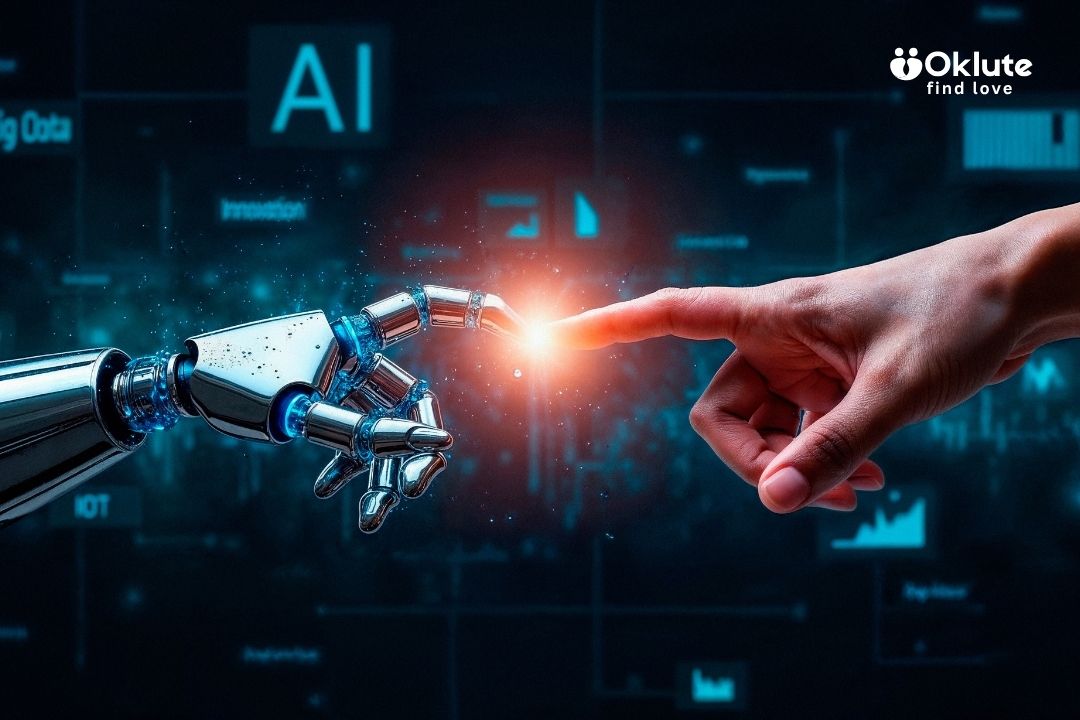
Artificial Intelligence (AI) has emerged as one of the most revolutionary technologies of the modern era. It is changing the way people work, communicate, learn, and solve problems. AI refers to computer systems that can perform tasks typically requiring human intelligence, such as learning, reasoning, decision-making, and language understanding.
Over the past decade, AI has moved from research laboratories into everyday life. From voice assistants and recommendation systems to advanced medical diagnostics, AI has become an integral part of modern society. As technology continues to evolve, its influence is expected to grow even further.
Understanding Artificial Intelligence
Artificial Intelligence is a broad field that includes machine learning, deep learning, natural language processing, and computer vision. These technologies enable machines to analyze data, identify patterns, and improve their performance over time without being explicitly programmed for every task.
Machine learning, in particular, has become one of the most important branches of AI. By processing large datasets, machine learning algorithms can make predictions, recognize images, and understand human language. This capability allows businesses and organizations to automate processes and gain valuable insights from data.
Today, AI is used in numerous industries, including healthcare, finance, education, transportation, and entertainment. Its ability to process information quickly and accurately makes it a powerful tool for innovation.
AI In Everyday Life
Many people interact with AI without realizing it. Search engines use AI to provide relevant results, while streaming platforms rely on intelligent algorithms to recommend movies and music. Smartphones utilize AI for facial recognition, photography enhancements, and virtual assistants.
Online shopping platforms also use AI to personalize customer experiences. By analyzing browsing behavior and purchase history, companies can suggest products that match individual preferences. These applications improve convenience and help businesses better understand consumer needs.
As awareness of emerging technologies grows, students and young professionals, including Jammu escortsinterested in technology careers, are exploring how AI can create new opportunities in education, research, and entrepreneurship.
AI In Healthcare
Healthcare is one of the sectors benefiting most from artificial intelligence. AI-powered systems can analyze medical images, assist in disease diagnosis, and help doctors make informed decisions. These tools improve accuracy and reduce the time required to identify health conditions.
Predictive analytics enables healthcare providers to identify potential risks before they become serious problems. AI can also support drug discovery by analyzing vast amounts of scientific data and identifying promising treatment options.
In hospitals and research institutions, AI is helping professionals improve patient outcomes while increasing efficiency. As technology advances, healthcare applications are expected to become even more sophisticated and accessible.
The Role Of AI In Business
Businesses around the world are increasingly adopting AI to improve productivity and competitiveness. Automated systems handle repetitive tasks, allowing employees to focus on more strategic and creative work. Customer service departments use AI-powered chatbots to provide instant support and respond to inquiries around the clock.
Data analytics powered by AI helps organizations identify trends, forecast demand, and optimize operations. Companies can use these insights to improve decision-making and allocate resources more effectively.
Entrepreneurs are also leveraging AI to develop innovative products and services. Startup communities often encourage collaboration among aspiring innovators, including groups of Coventry escortsparticipating in coding programs and technology workshops focused on artificial intelligence.
Challenges And Ethical Considerations
Despite its benefits, AI presents several challenges. Privacy concerns have become increasingly important as AI systems collect and analyze large amounts of personal data. Organizations must ensure that data is handled responsibly and securely.
Bias in AI systems is another significant issue. If training data contains biases, the resulting algorithms may produce unfair outcomes. Developers and researchers are working to create more transparent and accountable AI systems that promote fairness and inclusivity.
There are also concerns about the impact of automation on employment. While AI creates new opportunities, it may also change traditional job roles. Continuous learning and skill development will be essential for individuals adapting to a rapidly evolving workforce.
The Future Of Artificial Intelligence
The future of AI holds tremendous potential. Advances in robotics, natural language processing, and machine learning are expected to unlock new possibilities across industries. Smart cities, autonomous vehicles, and intelligent healthcare systems may become increasingly common in the coming years.
Educational institutions are preparing students for this future by offering courses in programming, data science, and AI development. Around the world, talented learners, Melbourne escortspursuing careers in science and technology, are contributing to the next generation of AI innovations.
As research continues, AI may help solve some of the world's most complex challenges, from climate change and healthcare accessibility to resource management and scientific discovery.
Conclusion
Artificial Intelligence is transforming the world at an unprecedented pace. Its applications in healthcare, business, education, and everyday life demonstrate its potential to improve efficiency, innovation, and quality of life. While challenges related to ethics, privacy, and employment must be addressed, the benefits of AI are undeniable.
As technology continues to evolve, individuals and organizations that embrace AI responsibly will be better positioned to succeed in the digital age. The future of artificial intelligence is filled with opportunities, making it one of the most important technological developments of the 21st century.
Latest Articles
Popular Articles