Top 21 Pros And Cons Of Living In Alaska
Living in Alaska offers incredible beauty, but there are challenges to consider. Get the full breakdown of pros and cons here.
Mar 04, 202511.5K Shares213.5K Views
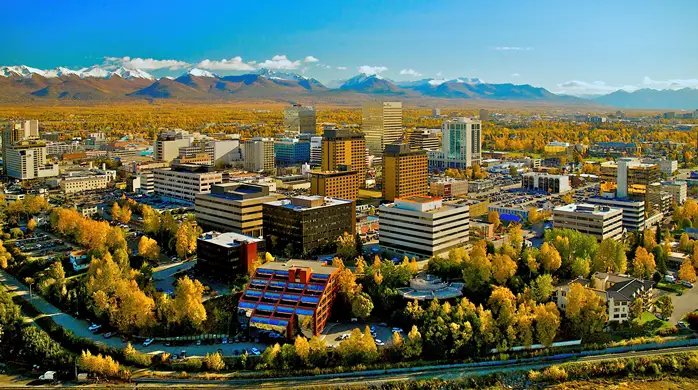
Living in Alaska offers a unique blend of opportunities and challenges that make it a fascinating place to call home. From the endless natural beauty to the distinct lifestyle, residents experience both the rewards of self-sufficiency and the difficulties of an extreme environment.
While Alaska’s appeal lies in its rugged wilderness and abundance of outdoor activities, it’s also a place where living off the grid, dealing with isolation, and braving extreme weather are part of daily life.
For those considering a move or just curious about life in the Last Frontier, it's essential to weigh both the pros and cons before making any decisions.
1. Outdoor Recreation
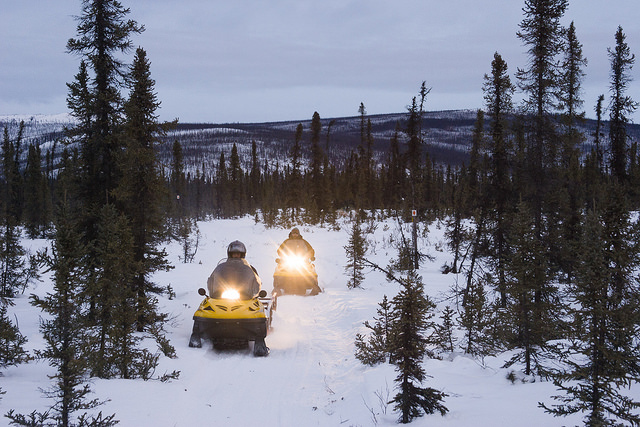
Alaska’s outdoor recreation opportunities are some of the most diverse and exciting in the world. From winter sports to summer adventures, there’s no shortage of ways to enjoy the great outdoors, and learning more about it can reveal interesting facts about Alaskathat make the experience even more memorable.
Pros:
- World-Class Outdoor Activities:Whether it’s hiking in Denali, kayaking in Prince William Sound, or snowmobiling across frozen landscapes, Alaska offers year-round outdoor recreation that rivals any destination. The vast terrain provides opportunities for solitude or adventure, depending on your preference.
- Wildlife Watching:Alaskan wildlife is a major draw for outdoor enthusiasts. Whether you’re kayaking alongside whales, spotting bears in national parks, or bird-watching in the wilderness, Alaska is a haven for nature lovers and wildlife photographers.
- Adventure Sports and Unique Experiences:For adrenaline junkies, Alaska is an adventurer’s dream. Options include dog sledding, heli-skiing, ice climbing, and mountaineering. These activities offer a high level of excitement while immersed in spectacular surroundings.
Cons:
- Difficult Terrain and Weather Conditions:Outdoor activities can be challenging, particularly for those not accustomed to Alaska’s harsh weather and terrain. Extreme cold, sudden storms, and uneven ground can make hiking and other activities dangerous without proper preparation.
- Limited Infrastructure in Remote Areas:Many of Alaska’s most beautiful outdoor spots are located in remote areas, requiring long journeys to access them. In some regions, the lack of roads and transportation infrastructure can make outdoor adventures a logistical challenge.
- Physical Demands:Some outdoor recreation activities in Alaska require a high level of physical fitness and stamina. Harsh weather, tough terrain, and long hours of physical exertion make many outdoor pursuits demanding, especially for beginners or those new to the environment.
2. Weather And Climate Challenges
Alaska’s weather can be harsh and unpredictable, with long winters and extreme cold temperatures. Depending on the region, you may experience months of darkness during the winter and nearly 24 hours of daylight during the summer. This dramatic shift in light can have significant effects on people’s daily routines, moods, and health.
Pros:
- Endless summer days:During the summer, many parts of Alaska experience nearly 24 hours of daylight, providing ample opportunities for outdoor activities, including midnight hikes and fishing expeditions.
- Northern Lights:Alaska is one of the best places in the world to witness the Northern Lights. The natural spectacle is an unforgettable experience for those who live in the state.
Cons:
- Long winters and extreme cold:Alaskan winters can be brutal, with temperatures regularly dropping well below freezing. Snowstorms, icy roads, and the constant battle against the cold can make daily life a challenge.
- Seasonal Affective Disorder (SAD):The extended darkness in winter can lead to mental health issues for some people, including Seasonal Affective Disorder (SAD). The lack of sunlight can impact mood and energy levels.
- Limited daylight:In parts of Alaska, the winter months can bring months of darkness, which can be difficult to adjust to, especially for those from sunnier climates.
3. Cost Of Living In Alaska
Alaska’s cost of living is higher than the national average, particularly in more remote areas. While the state is free from income tax and offers other financial incentives, the high cost of transportation and importing goods makes daily life more expensive.
Pros:
- No state income tax:One of the major draws of living in Alaska is that there is no state income tax, which can significantly lower your overall tax burden.
- Lower property taxes:Property taxes in Alaska tend to be lower than in many other states, making homeownership more affordable in some areas.
Cons:
- High transportation costs:Due to Alaska’s remoteness, most goods need to be imported, which can drive up the price of everyday items like groceries and fuel.
- Higher utility costs:Many Alaskan homes rely on heating oil or electric heat, which can be costly during the long winter months.
- Expensive housing:In larger cities like Anchorage, housing prices can be quite high due to demand. In remote areas, the limited supply of housing can also push prices up.
4. Job Opportunities And Economy
Alaska has a diverse economy, with key industries including oil and gas, fishing, tourism, and government. However, job opportunities can be limited, especially outside of major cities, and wages may vary significantly depending on the field.
Pros:
- High-paying jobs in certain sectors:Industries such as oil, fishing, and healthcare offer high-paying positions with lucrative benefits. If you have the right skills, you can make a good living in Alaska.
- Incentives for rural living:The state offers incentives such as the Permanent Fund Dividend(PFD) to encourage residents to stay and work in rural areas.
- Seasonal opportunities:Alaska’s tourism industry creates a large number of seasonal jobs, particularly in the summer months.
Cons:
- Limited job variety:Outside of certain industries, the job market in Alaska is relatively narrow. Those in fields like tech or finance may struggle to find work.
- Seasonal employment:Many jobs in tourism, fishing, and construction are seasonal, leading to periods of unemployment for some workers.
- Rural job scarcity:Employment opportunities in remote areas are often scarce, which may require individuals to travel long distances for work or settle for lower-paying jobs.
5. Education Systems In Alaska
Alaska's education system, while offering unique opportunities and challenges, plays a pivotal role in shaping the state's future. With a blend of rural and urban schools, and varying access to resources, the education experience in Alaska can differ widely depending on location.
Pros:
- Close-Knit School Communities:In rural areas, students often experience a tight-knit community where everyone knows each other. This can lead to strong relationships between students, teachers, and families, making the educational environment more personal and supportive.
- Focus on Outdoor and Hands-On Learning:Alaska’s vast natural resources and wilderness serve as an extension of the classroom. Many schools incorporate field trips and hands-on outdoor learning experiences, especially in environmental science and indigenous studies, offering students unique learning opportunities.
- Strong Focus on Native Alaskan Culture:Alaska’s schools prioritize the preservation of Native Alaskan languages and cultures. Students in many districts are taught about Alaska Native history, art, and traditions, providing a culturally enriching experience.
- Access to Specialty Programs:Larger cities like Anchorage and Fairbanks offer specialized programs in fields like the arts, technology, and marine biology, providing students with unique educational tracks to explore and specialize in.
Cons:
- Limited Resources in Rural Areas:Rural schools in Alaska often face significant challenges, including limited funding, outdated facilities, and fewer extracurricular activities. This disparity can lead to a less comprehensive education experience compared to urban areas.
- Teacher Retention Issues:Many schools, particularly those in remote or rural communities, struggle with teacher retention. The high cost of living, isolation, and long winters can make it challenging to keep educators in these areas, leading to frequent turnover and a lack of continuity in students' education.
- Transportation Challenges:In remote Alaskan communities, students may have to travel long distances by bus, boat, or even snowmobile to get to school. This can make attending school a logistical challenge for some families, especially during harsh winter months.
- Higher Costs for Families:Living in rural Alaska can bring higher costs for families, including school supplies, specialized learning resources, and extra-curricular activities. This can be a financial burden for households in communities where access to affordable resources is limited.
6. Fresh And Local Seafood
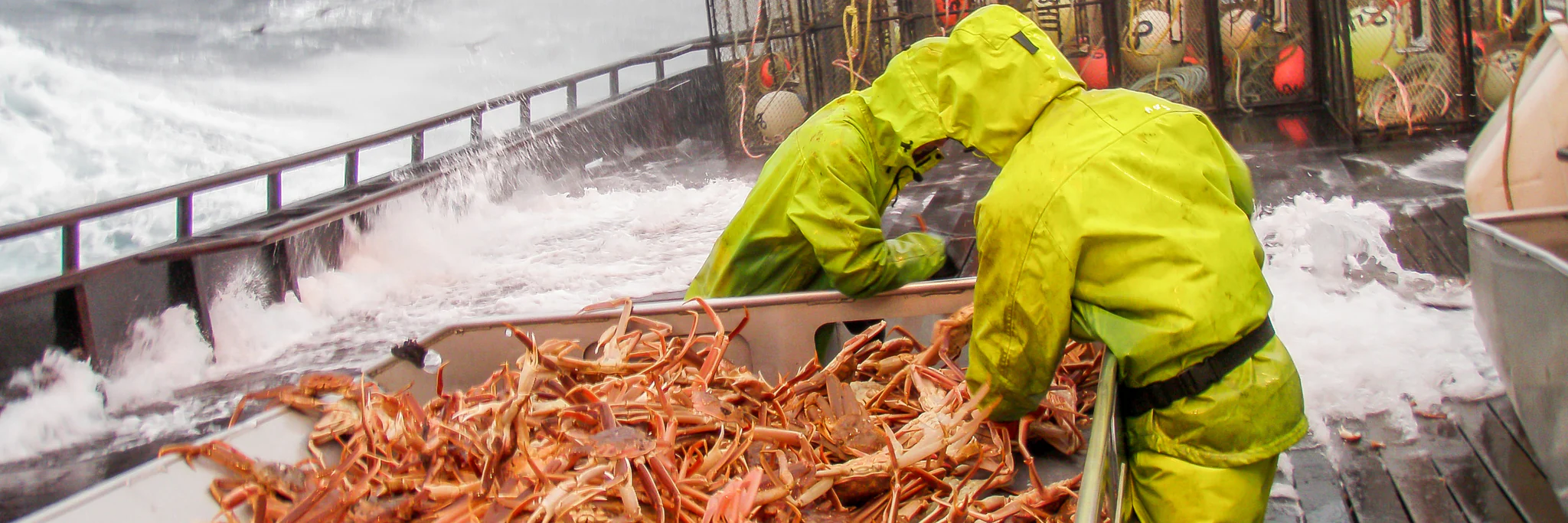
One of Alaska’s standout features is its abundance of fresh and local seafood, a defining aspect of both the state’s economy and its residents' diets. From wild-caught salmon to king crab, Alaskan seafood is a cornerstone of local cuisine and culture. If you're wondering what food is Alaska known for, the answer lies in its pristine waters and the rich, flavorful seafood they provide.
Pros:
- Unmatched Freshness and Quality:Alaskan seafood, such as wild-caught salmon, halibut, and crab, is known for its exceptional quality and flavor. The cold, clean waters around Alaska provide ideal conditions for producing some of the freshest seafood in the world.
- Sustainable and Locally Sourced:Many Alaskan seafood businesses prioritize sustainable fishing practices, ensuring that seafood is harvested responsibly. Local markets, restaurants, and even individuals often enjoy direct access to seafood from their own communities, contributing to the local economy.
- Health Benefits:Alaskan seafood is rich in omega-3 fatty acids, vitamins, and minerals, making it a healthy dietary choice. Regular consumption can promote heart health, brain function, and overall well-being.
Cons:
- Seasonal Availability:While Alaskan seafood is abundant in the summer and early fall, access to fresh catches can become limited during the off-season, especially in more remote regions. This may drive up prices during the winter months.
- Cost and Shipping Challenges:While Alaskan seafood is delicious, it can be expensive, particularly in remote or rural areas. The cost of shipping seafood out of Alaska can add to the price, making it less accessible for some residents.
- Overfishing Concerns:Although sustainable practices are common, overfishing remains a concern for some species, particularly in specific fishing zones. Environmental changes can also impact fish populations, potentially disrupting the industry.
- Swarms of Mosquitoes:During the warmer months, Alaska experiences significant mosquito activity, particularly near water bodies and during fishing season. The swarms can be overwhelming, making outdoor activities uncomfortable and, in some cases, potentially leading to mosquito-borne illnesses.
7. Isolation And Community
While the solitude and remoteness of Alaska appeal to some, others find the lack of social infrastructure isolating. The state is vast, and communities are often spread out, making socializing or accessing services a challenge.
Pros:
- Peace and solitude:For those seeking peace and quiet, Alaska provides an environment that is hard to beat.
- Close-knit communities:Smaller towns often foster close relationships, where neighbors help one another and form tight bonds.
Cons:
- Social isolation:Many parts of Alaska can feel incredibly isolating, particularly during the long winter months when travel is limited and daylight hours are scarce.
- Limited entertainment options:Socializing options can be few and far between, especially in rural areas, which can lead to feelings of loneliness for some.
8. The Beauty And Difficulty Of Living Off The Grid
Living off the grid is a popular lifestyle choice for many in Alaska, where self-sufficiency and a connection to nature are highly valued. However, this lifestyle comes with unique challenges, particularly in such a harsh environment.
Pros:
- Freedom and sustainability:Living off the grid allows for a sustainable lifestyle, with the ability to produce your own food, energy, and water. It also provides the freedom from utility bills and dependence on public services.
- Immersion in nature:Being surrounded by nature, away from the hustle and bustle of urban life, is an experience that many find fulfilling and peaceful.
Cons:
- High maintenance:Off-grid living in Alaska requires constant maintenance of power sources, water supplies, and heating systems. It’s not for the faint of heart, as the conditions can be harsh and unforgiving.
- Isolation:Living remotely can feel incredibly lonely, with limited access to emergency services and few social interactions.
9. The Challenges And Rewards Of Living In Remote Areas
Living in Alaska’s remote areas offers both opportunities for isolation and breathtaking natural beauty. Many residents embrace the challenges of living far from major cities, but this lifestyle also comes with distinct drawbacks.
Pros:
- Stunning Seclusion:Living in the wilderness means being surrounded by untouched nature. The landscape is serene, offering tranquility and an unparalleled connection to the outdoors.
- Self-Sufficiency:In remote areas, residents often develop a self-sufficient lifestyle, hunting, fishing, and growing their own food, which can be both fulfilling and practical.
Cons:
- Limited Access to Services:Access to essential services like healthcare, education, and even basic groceries is significantly limited. Remote residents may need to travel long distances for simple tasks.
- Logistical Challenges:Shipping goods can be costly and time-consuming, with inclement weather sometimes delaying deliveries for weeks.
10. Living In The Midnight Sun
Alaska’s midnight sun is one of its most famous features. For several weeks each year, some areas experience continuous daylight, which can affect your lifestyle in surprising ways.
Pros:
- Extended Daylight Hours:In summer, residents of places like Fairbanks enjoy up to 24 hours of sunlight. This provides ample opportunity for outdoor activities, from hiking to fishing.
- Positive Impact on Mental Health:The abundance of sunlight during summer can boost mood and energy levels, contributing to overall well-being.
Cons:
- Difficulty Sleeping:Continuous daylight can make it difficult to establish a regular sleep schedule. Some people experience insomnia or disrupted sleep patterns.
- Potential for Overexertion:With so much daylight, there's a tendency to overextend oneself physically and mentally, leading to exhaustion or burnout.
11. Living With The Harsh Winters
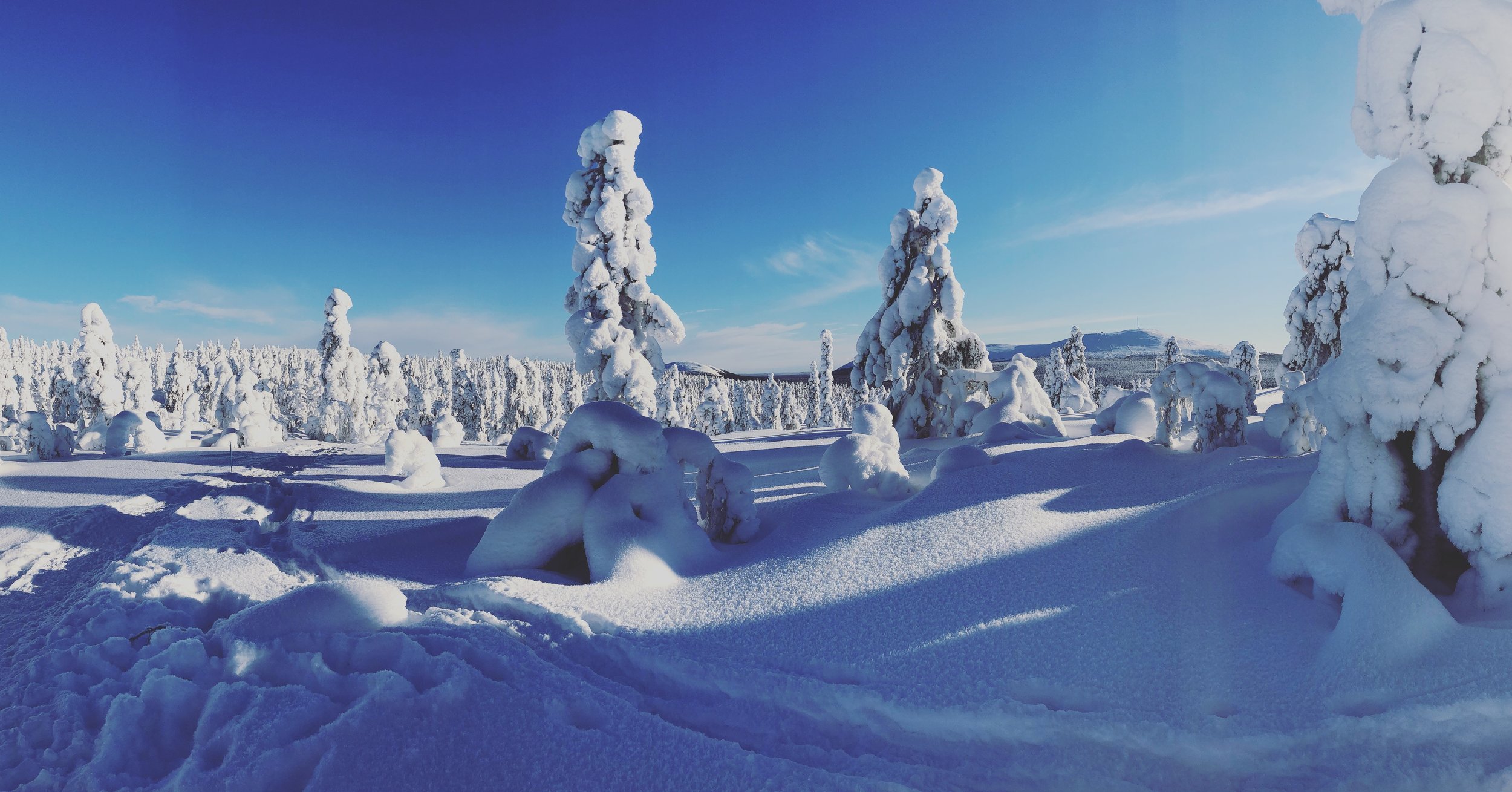
Alaska's winters are legendary for their severity. From freezing temperatures to months of snow and ice, the challenges of winter living can be daunting.
Pros:
- Winter Sports Paradise:Alaska is a haven for winter sportsenthusiasts. From skiing and snowboarding to snowshoeing and dog sledding, the snowy landscape offers endless opportunities for adventure.
- Cozy, Inviting Homes:Many Alaskans embrace the cold by creating warm, cozy homes with fireplaces, wood stoves, and thick insulation, making the winter months bearable and even enjoyable.
Cons:
- Subzero Temperatures:Winter temperatures can plummet well below freezing, creating dangerous conditions. Keeping homes and vehicles warm requires considerable energy, and power outages are not uncommon.
- Isolation:The winter months can be isolating, as extreme weather often makes it difficult to travel. The lack of sunlight and cold temperatures can also lead to seasonal affective disorder (SAD).
12. High Cost Of Living
While Alaska offers many financial perks, like no state income tax, its cost of living is generally higher than the national average, particularly in remote areas.
Pros:
- No State Income Tax:Alaskans benefit from not having to pay state income taxes, keeping more of their earnings.
- Potential for Self-Employment:The remote nature of the state offers opportunities for entrepreneurial residents to establish businesses that cater to unique local needs.
Cons:
- High Prices for Essentials:Groceries, gas, and utilities tend to be significantly more expensive due to the logistical challenges of getting supplies to remote regions.
- Limited Affordable Housing:In some parts of Alaska, housing options are limited and expensive, especially in cities like Anchorage.
13. Healthcare Accessibility
While urban areas like Anchorage have modern healthcare facilities, rural areas face substantial challenges in accessing medical care.
Pros:
- Access to Specialized Care in Cities:Major cities like Anchorage offer well-developed healthcare systems with specialists, modern hospitals, and advanced treatments, including the best hospitals for comprehensive care.
- Telemedicine Growth:With advances in telemedicine, rural Alaskans can now receive consultations and some healthcare services remotely.
Cons:
- Lack of Local Healthcare in Rural Areas:Rural regions can lack basic healthcare facilities, forcing residents to travel long distances for appointments or emergency services.
- High Medical Costs:In some areas, healthcare costs can be disproportionately high due to the need to import medical professionals or equipment.
14. Alaskan State Benefits
In addition to the Permanent Fund Dividend, Alaskans enjoy various state-specific benefits aimed at supporting residents.
Pros:
- Alaska's Permanent Fund Dividend (PFD):This annual dividend is based on the state's oil revenue, and while the amount varies, it often offers a financial boost to residents, especially those in remote areas.
- Community Support Programs:Alaska provides several programs for residents, including assistance with energy costs, housing subsidies, and discounts for public services.
Cons:
- PFD Uncertainty:The amount of the Permanent Fund Dividend fluctuates depending on oil prices and the state’s financial performance, leading to uncertainty for residents who rely on it.
- Limited Coverage for Services:Some state-provided benefits may not cover all necessary services, and not all communities have easy access to these programs.
15. The Struggle With High Energy Costs
The cold climate in Alaska means that heating is a constant necessity, contributing to some of the highest energy costs in the U.S.
Pros:
- Renewable Energy Options:Many Alaskans turn to renewable energy, such as solar and wind power, to help reduce energy bills and lower their environmental impact.
- Energy Independence in Rural Areas:Many rural Alaskans rely on wood stoves, diesel generators, or other off-grid solutions to stay warm without relying on the local grid.
Cons:
- Expensive Heating and Electricity:Many households depend on oil for heating, which can cost thousands of dollars annually. Even electricity prices are among the highest in the country.
- Dependency on Fossil Fuels:Some parts of Alaska remain reliant on fossil fuels, raising concerns about environmental sustainability and the long-term cost of energy.
16. Cultural Opportunities And Traditions
Living in Alaska offers exposure to a unique blend of cultural traditions, particularly from Alaska Native communities.
Pros:
- Rich Indigenous Culture:Alaska is home to diverse Native Alaskan communities, with strong traditions in art, language, and community activities. Many residents find deep fulfillment in learning from and contributing to these cultures.
- Festivals and Events:Events like the Iditarod, Fur Rendezvous, and Native art exhibitions offer opportunities to experience Alaskan culture first-hand.
Cons:
- Cultural Isolation:While urban areas have a thriving arts scene, more remote parts of Alaska can feel culturally isolated, with fewer opportunities to engage with diverse cultural events.
- Language Barriers:Alaska’s Indigenous communities speak several unique languages, which can present a barrier to communication for newcomers.
17. Limited Public Transportation In Rural Areas
Public transportation in Alaska is often limited to urban areas, which can create challenges for those living outside cities.
Pros:
- Car Ownership:Many Alaskans embrace the self-sufficiency of having their own vehicles. Owning a car offers flexibility and independence, especially when weather conditions are favorable.
- Improved Accessibility in Cities:In larger cities like Anchorage, public transit options, including buses, make commuting possible.
Cons:
- No Public Transportation in Rural Areas:Rural areas, particularly in the vast interior, often lack any form of public transit, making owning a car or other forms of transport essential.
- Challenging Travel in Extreme Weather:Road conditions, especially in winter, can make driving dangerous and sometimes impassable.
18. The Cost And Logistics Of Travel
Alaska’s geographical location and climate create unique challenges when it comes to travel, both within the state and beyond.
Pros:
- Air Travel Opportunities:While Alaska is remote, it is well connected by air, with regional airports providing service to major cities within and outside the state.
- Scenic Routes:Alaska is home to some of the world’s most beautiful scenic drives and flights, making travel a unique and exciting experience.
Cons:
- Expensive Flights and Travel Costs:Because Alaska is geographically isolated, flights to and from the state can be expensive. Travel within the state often requires flights, adding to the cost.
- Limited Road Access:Many remote areas lack road connections, making travel by car impossible and further increasing the reliance on air and boat transport.
19. The Impact Of Seasonal Affective Disorder (SAD)
Alaska’s long winters and lack of sunlight in many regions can contribute to mental health challenges like Seasonal Affective Disorder (SAD).
Pros:
- Coping Strategies:Some residents develop coping mechanisms, including light therapy, regular exercise, and vitamin D supplementation to mitigate the effects of darkness and cold.
- Focus on Mental Health:Alaskan communities often prioritize mental health resources to help individuals cope with the psychological impact of long winters.
Cons:
- Long Winters and Isolation:The prolonged periods of darkness and isolation in rural areas can lead to depression, anxiety, and other mental health struggles.
- Limited Mental Health Resources:While some urban areas have mental health professionals, rural areas often lack the necessary resources to adequately address these challenges.
20. Spirit Of Adventure
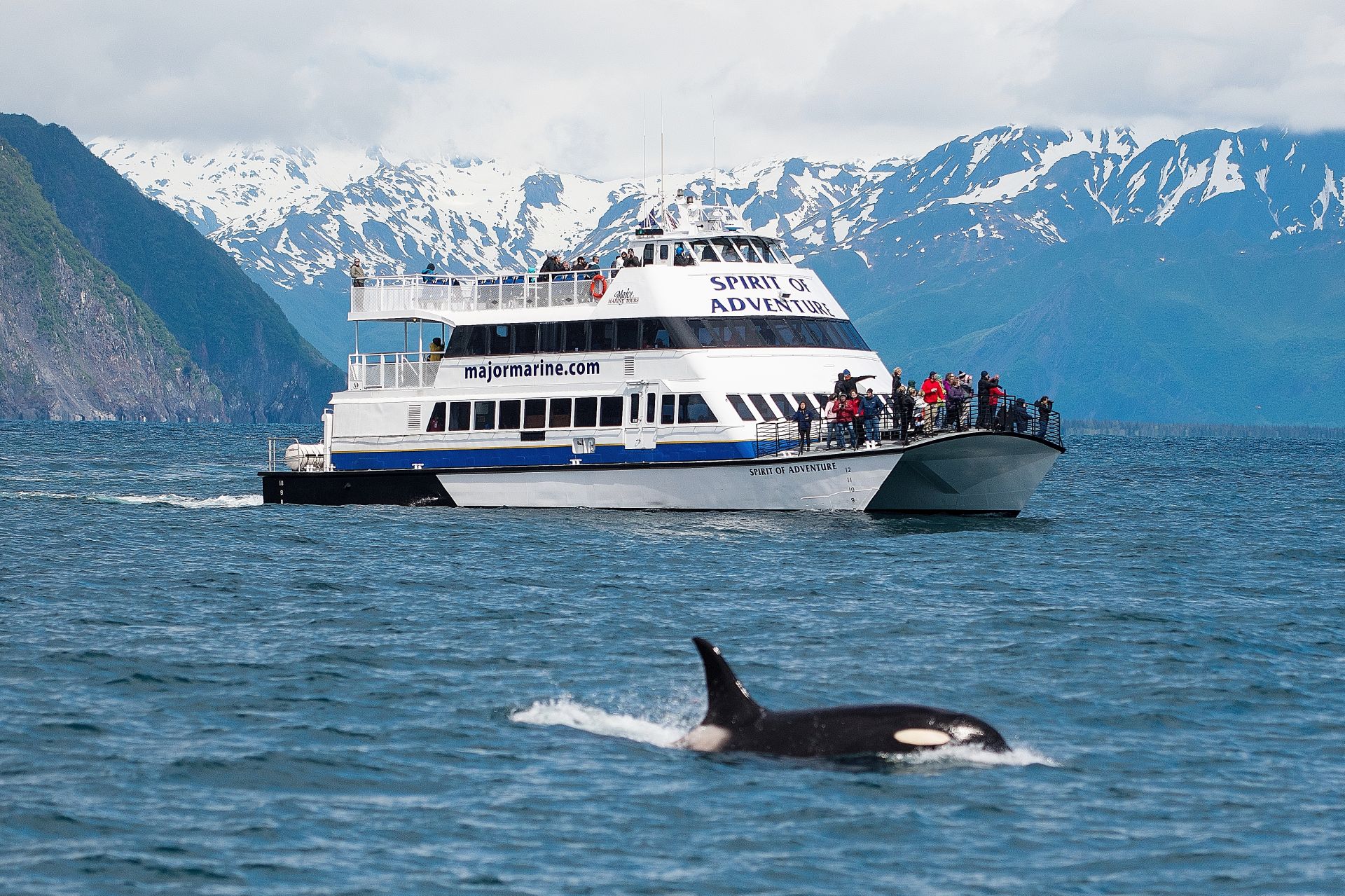
Alaska’s rugged landscapes, vast wilderness, and unpredictable weather provide an ideal backdrop for those seeking adventure. The spirit of adventure permeates daily life in the state, with endless opportunities for exploration and discovery.
Pros:
- Endless Outdoor Activities:From hiking, skiing, and dog sledding to ice fishing and wildlife viewing, there’s no shortage of outdoor adventures. Alaska offers a vast array of recreational activities year-round, appealing to thrill-seekers and nature lovers alike.
- Unmatched Scenic Beauty:Every turn in Alaska’s wilderness offers a stunning view towering mountains, pristine glaciers, dense forests, and crystal-clear lakes. These breathtaking natural wonders are perfect for photographers, explorers, and those seeking solitude in nature.
- Wildlife Encounters:Alaska is home to some of the most diverse wildlife in the world, including bears, moose, eagles, and sea otters. Living in such close proximity to these creatures adds an exhilarating aspect to daily life.
- Adventure Culture:The state's people are known for their adventurous spirit. Many Alaskans are involved in outdoor activities, and there’s a strong sense of community when it comes to tackling the wild landscapes together. This creates an encouraging environment for newcomers who want to embrace adventure.
Cons:
- Risky Outdoor Activities:While the spirit of adventure is a huge draw, Alaska's wilderness can also be dangerous. Harsh weather conditions, difficult terrain, and wildlife encounters all pose risks. The remoteness of many areas can make rescue operations challenging if something goes wrong.
- High Cost for Adventure Gear:Preparing for extreme outdoor activities can require specialized gear. Depending on the adventure, this can become expensive, especially when it comes to items like high-quality winter clothing, snowmobiles, or kayaks.
- Unpredictable Weather:The weather in Alaska is notorious for its volatility, which can make outdoor adventures difficult to plan. Sudden storms or fluctuating temperatures can put a damper on outdoor activities and even pose serious risks to safety.
21. Alaska Has Some Of The Best Air Quality In America
One of the often-overlooked benefits of living in Alaska is its exceptional air quality. With its vast stretches of wilderness, relatively low population density, and minimal industrial pollution, Alaska enjoys some of the cleanest air in the United States.
Pros:
- Minimal Air Pollution:Alaska has an abundance of natural spaces, and the lack of heavy industry helps keep the air pristine. This results in cleaner air, especially in remote areas where human activity is minimal. Cities like Anchorage, while not entirely free from pollution, still have significantly better air quality than most urban centers across the country.
- Health Benefits:Clean air can have significant benefits for respiratory health, reducing the risk of asthma, allergies, and other breathing conditions. For those with respiratory issues, the clean air of Alaska can offer considerable relief, making it an ideal environment to live and raise a family.
- Increased Outdoor Enjoyment:With such clean air, outdoor activities become all the more enjoyable. Breathing in fresh air while hiking, skiing, or simply enjoying nature can have a refreshing and revitalizing effect on the body and mind. The quality of the air makes it easier to engage in physical activities without worrying about pollutants.
- Low Traffic and Noise Pollution:Alaska’s lower population density means that there is far less traffic and noise pollution, contributing further to the purity of the air. For those living in larger cities like Anchorage, this results in more peaceful surroundings compared to the hustle and bustle of other major cities.
Cons:
- Air Quality Can Vary with Location:While Alaska overall has clean air, some areas, especially around large cities or industrial zones, can experience temporary dips in air quality. For example, wildfire smoke during the summer months can affect air quality for a few weeks, especially in more populated regions.
- Cold and Dry Air:The clean, crisp air in Alaska can also be harsh during the colder months. Extremely low temperatures combined with dry conditions can lead to chapped skin, dry eyes, and discomfort for those not accustomed to the environment. People with respiratory conditions may need to take extra precautions during winter.
- Increased Risk from Wildfires:In recent years, wildfires have become a growing concern in Alaska, particularly during dry summers. Wildfire smoke can temporarily degrade air quality, especially in certain areas. Though the air quality remains generally excellent, wildfire season presents a notable exception.
- One downside of Alaskan life can be the limited access to historical sites and diverse cultural experiences found in other parts of the world. For those seeking ancient castlesand vibrant historical settings, exploring a country like Scotlandmight offer a compelling alternative.
FAQs
How Expensive Is It To Live In Alaska?
The cost of living in Alaska can be high, especially in remote areas. Housing costs can vary significantly, but groceries and utilities tend to be more expensive due to Alaska's isolation.
Is It Difficult To Find A Job In Alaska?
Finding a job in Alaska can be challenging, particularly in specific industries. While oil, mining, tourism, and government jobs are common, opportunities in more specialized fields may be limited.
How Cold Does It Get In Alaska?
Alaska’s climate varies significantly depending on location. In coastal areas like Anchorage, temperatures during winter can dip below freezing, with snowfall and cold winds. In the Interior region, temperatures can fall as low as - 40°F (-40°C) or colder in the dead of winter.
What Is The Best Time Of Year To Move To Alaska?
The best time to move to Alaska is typically during the summer months (May to September) when the weather is milder, and daylight hours are longer. This provides more opportunities for outdoor activities and helps with settling into the new environment.
How Dangerous Is Wildlife In Alaska?
Alaska is home to diverse wildlife, including bears, moose, wolves, and other large animals. While encounters are rare, wildlife can pose a danger, particularly if you venture into remote areas or fail to follow safety guidelines.
Conclusion
Alaska's allure lies in its vast wilderness, unique lifestyle, and tight-knit communities. While it offers breathtaking views, unparalleled outdoor adventures, and a sense of freedom, the challenges like isolation, extreme weather, and limited resources require careful consideration.
Living in Alaska is not for everyone, but for those who are ready to embrace its extremes, the rewards can be just as great as the obstacles.
Jump to
1. Outdoor Recreation
2. Weather And Climate Challenges
3. Cost Of Living In Alaska
4. Job Opportunities And Economy
5. Education Systems In Alaska
6. Fresh And Local Seafood
7. Isolation And Community
8. The Beauty And Difficulty Of Living Off The Grid
9. The Challenges And Rewards Of Living In Remote Areas
10. Living In The Midnight Sun
11. Living With The Harsh Winters
12. High Cost Of Living
13. Healthcare Accessibility
14. Alaskan State Benefits
15. The Struggle With High Energy Costs
16. Cultural Opportunities And Traditions
17. Limited Public Transportation In Rural Areas
18. The Cost And Logistics Of Travel
19. The Impact Of Seasonal Affective Disorder (SAD)
20. Spirit Of Adventure
21. Alaska Has Some Of The Best Air Quality In America
FAQs
Conclusion
Latest Articles
Popular Articles